Beyond Autos — Dubai, UAE
.webp&w=384&q=75)
Farizon
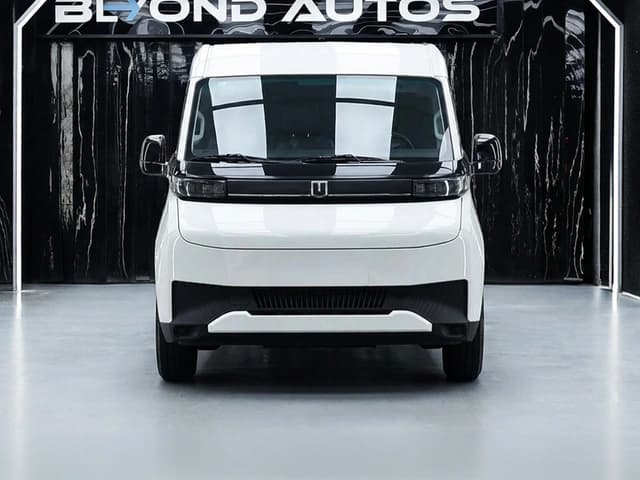
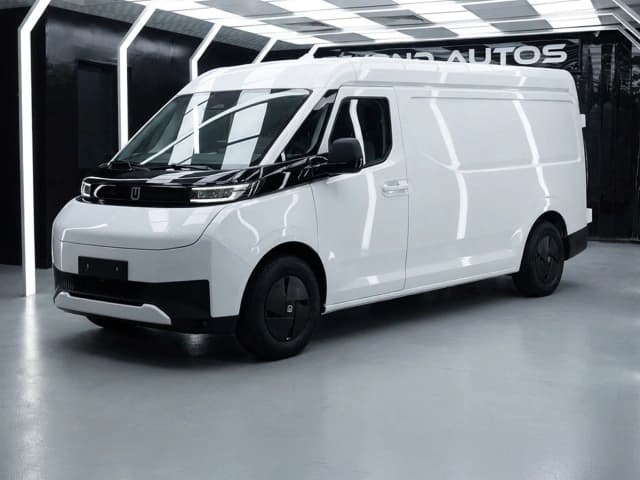
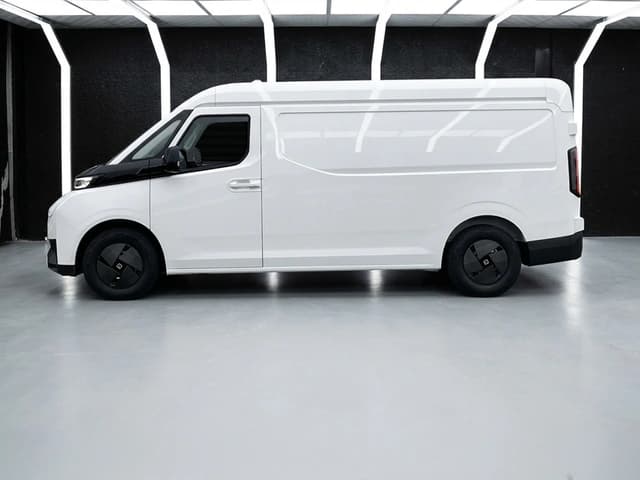
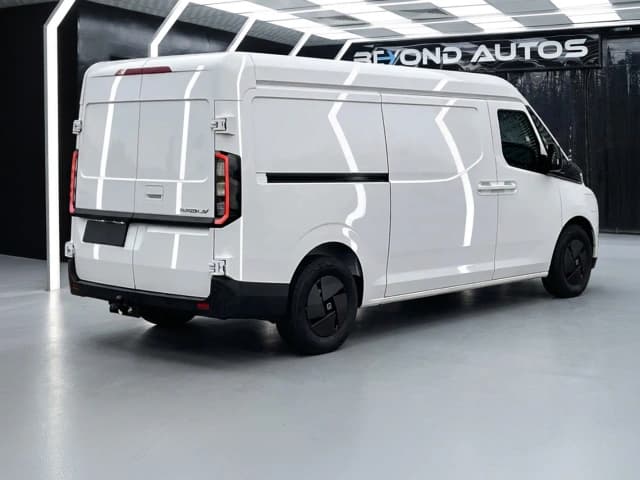
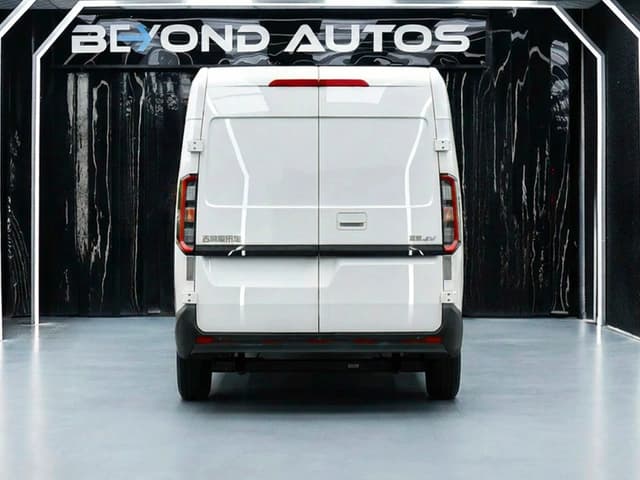
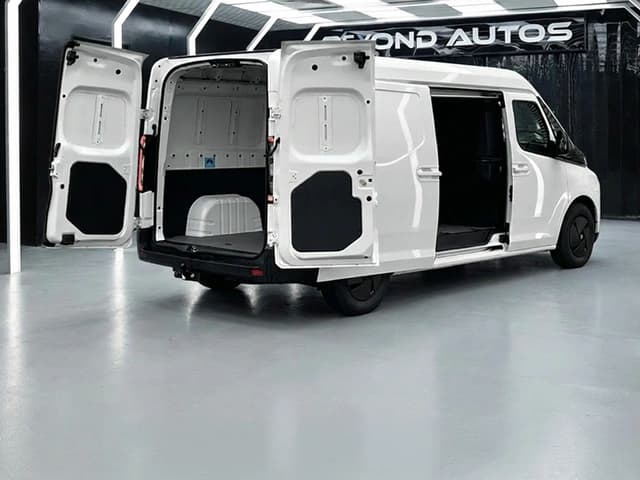
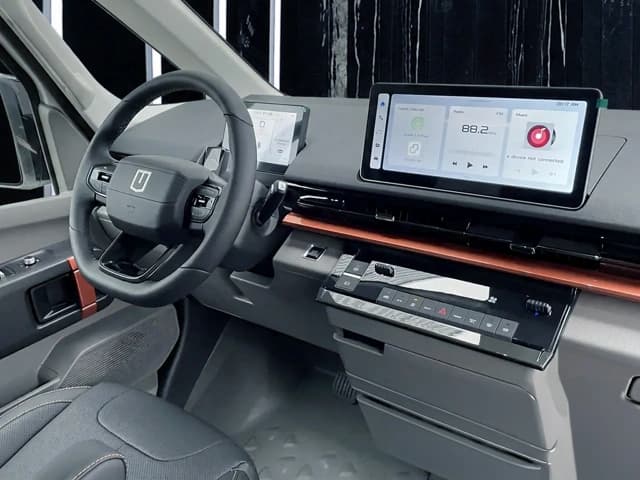
The Farizon SV Panel is a battery electric panel van built for urban and last-mile delivery, available in multiple wheelbase and roof-height configurations with 67–83 kWh LFP batteries and zero tailpipe emissions.
1 SV Panel configuration on offer — request a quote to confirm pricing and lead time.
FOB Dubai · Shipping worldwide
Every officially-available trim of the SV Panel. Configurations listed for export at Beyond Autos are a subset of these — see the variant filter below for what’s on offer right now. Scroll horizontally to see all spec columns.
SV Panel L1H1 67 | 2025 | 67 kWh LFP Battery Electric | 67 hp | 336 Nm | — | Electronic Single-Speed Transmission | 3 | Electric Panel Van | — | N/A |
SV Panel L1H1 83 | 2025 | 83 kWh LFP Battery Electric | 66 hp | 336 Nm | — | Electronic Single-Speed Transmission | 3 | Electric Panel Van | — | N/A |
SV Panel L2H2 83 | 2025 | 83 kWh LFP Battery Electric | 66 hp | 336 Nm | — | Electronic Single-Speed Transmission | 3 | Electric Panel Van | — | N/A |
SV Panel L1H2 83 | 2025 | 83 kWh LFP Battery Electric | 66 hp | 336 Nm | — | Electronic Single-Speed Transmission | 3 | Electric Panel Van | — | N/A |
The Farizon SV Panel targets commercial operators and fleet buyers seeking a practical, zero-emission delivery vehicle for congested urban environments and regional distribution routes. Its modular platform spans four trim variants—L1H1 67, L1H1 83, L2H2 83, and L1H2 83—allowing buyers to match wheelbase, roof height, and battery capacity to their specific load and range requirements.
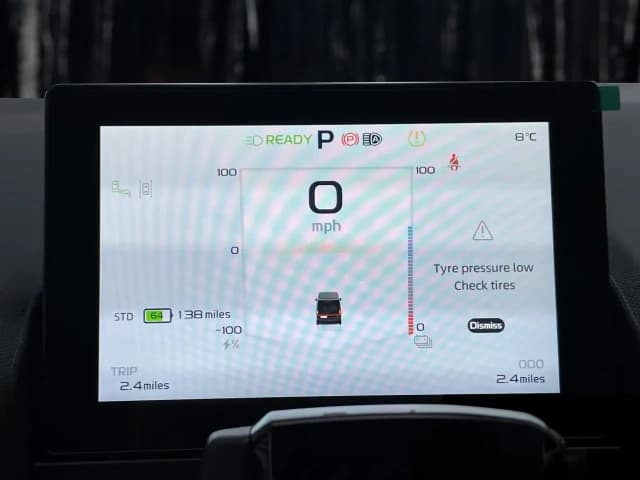
All variants feature LFP (lithium iron phosphate) battery technology. The L1H1 67 trim carries a 67 kWh pack, while the three 83 kWh variants provide greater range for longer routes. The 67 kWh system delivers 67 kW of power, while the 83 kWh versions produce 66 kW—both generating 336 Nm of torque instantly through a single-speed electronic transmission. This setup suits stop-and-start delivery cycles with smooth, quiet acceleration and minimal maintenance compared to combustion engines.
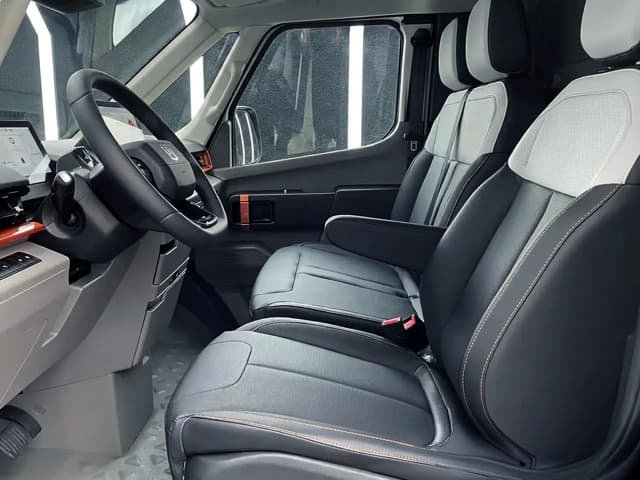
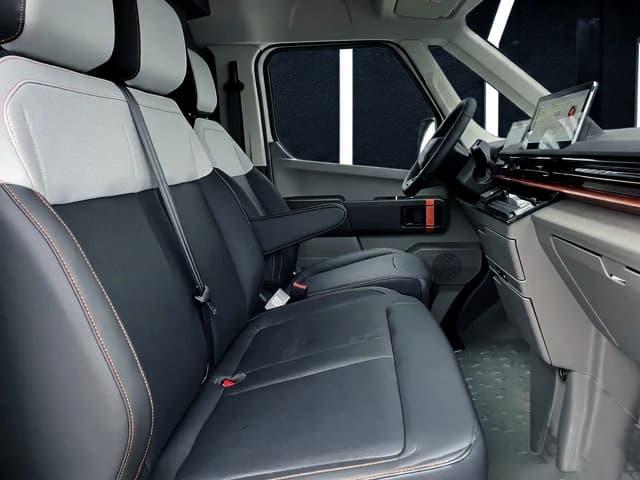
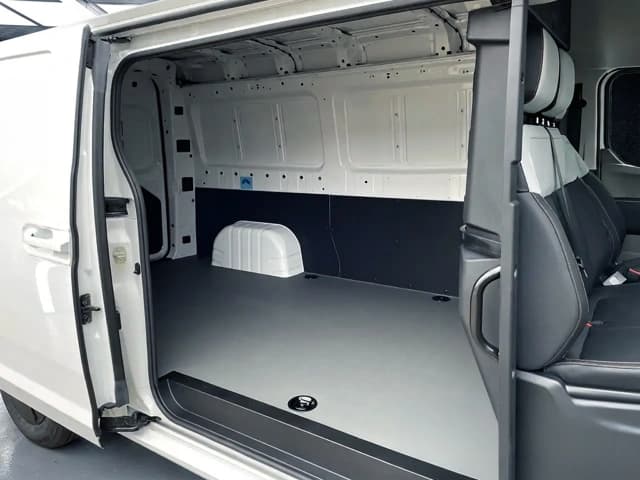
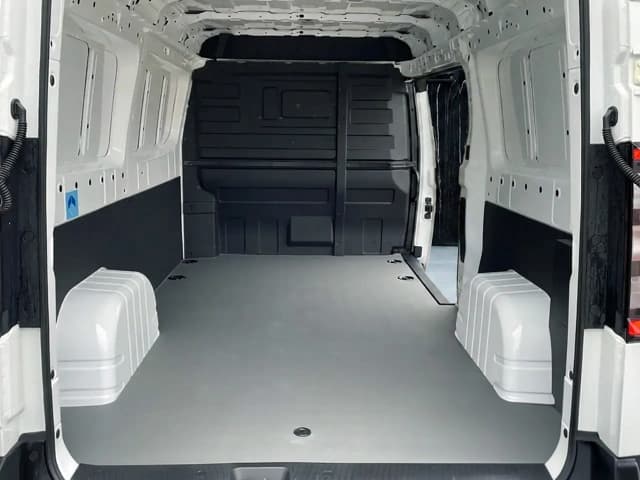
The L1H1 (short wheelbase, standard roof) suits tight urban delivery networks. The L2H2 (long wheelbase, high roof) maximizes cargo volume for regional distribution. The L1H2 option balances wheelbase compactness with extra vertical space. Seating accommodates 2–3 passengers, keeping the focus on cargo utility rather than passenger comfort.
Operators value the zero tailpipe emissions, lower running costs, and eligibility for urban low-emission-zone access in major cities. The predictable torque curve simplifies driver training, and LFP chemistry offers durability and thermal stability. Multiple battery and dimensional options allow fleet customization without over-specifying or underpowering.
Buyers should verify charging infrastructure in their target market and understand that 67–83 kWh batteries deliver range suited to daily urban loops rather than long-haul operations. Payload capacity varies by trim; buyers must confirm exact load ratings for their intended duty cycle.