Beyond Autos — Dubai, UAE
.webp&w=384&q=75)
Farizon
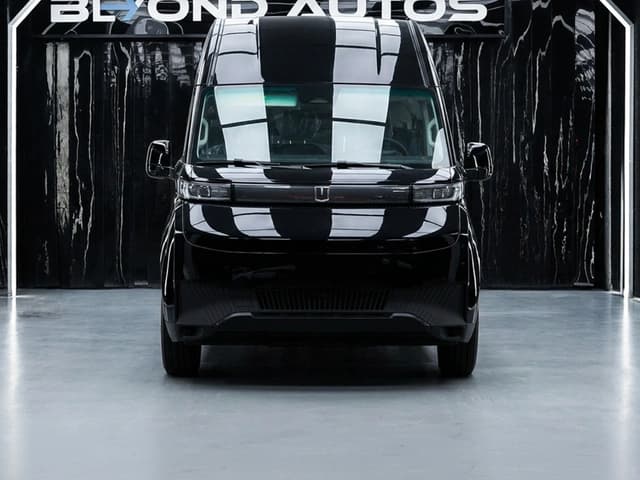
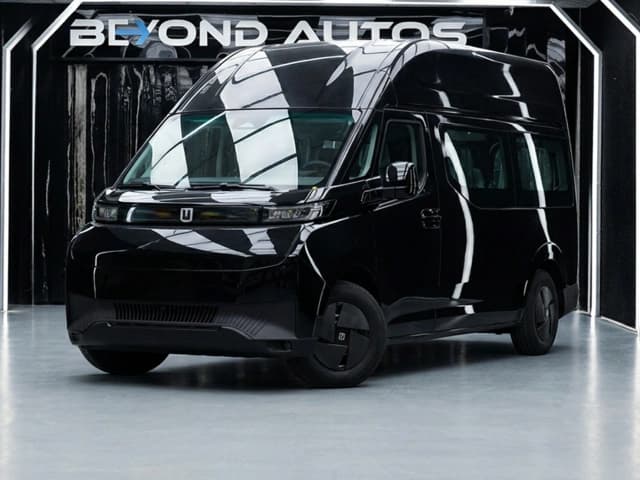
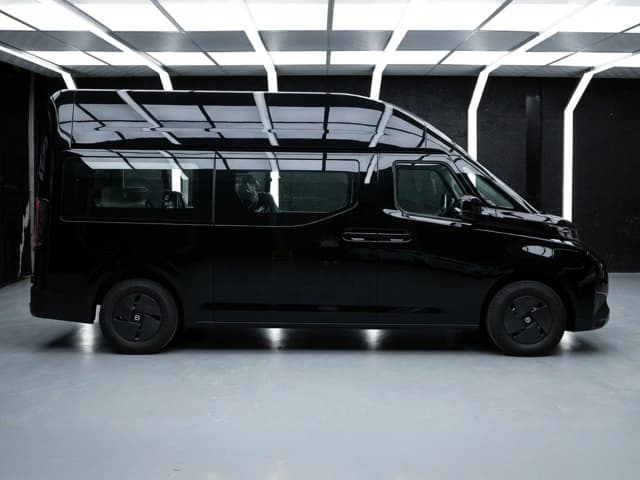
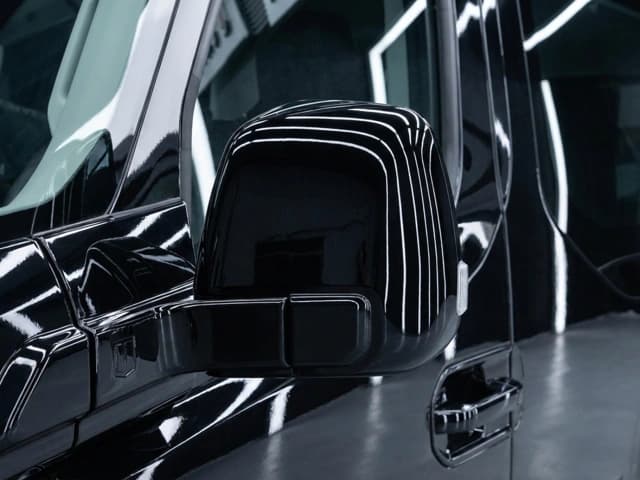
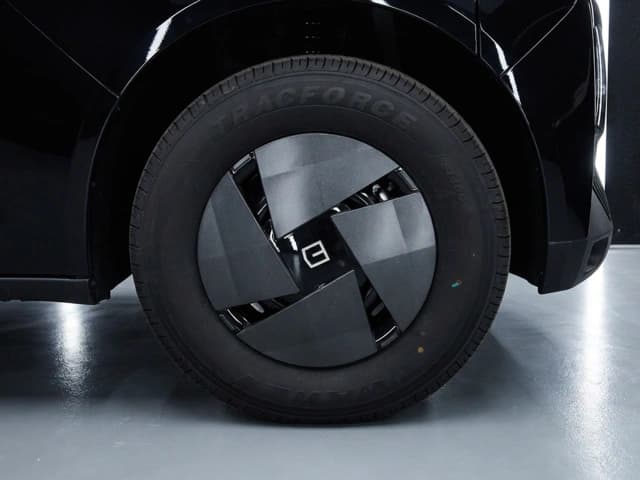
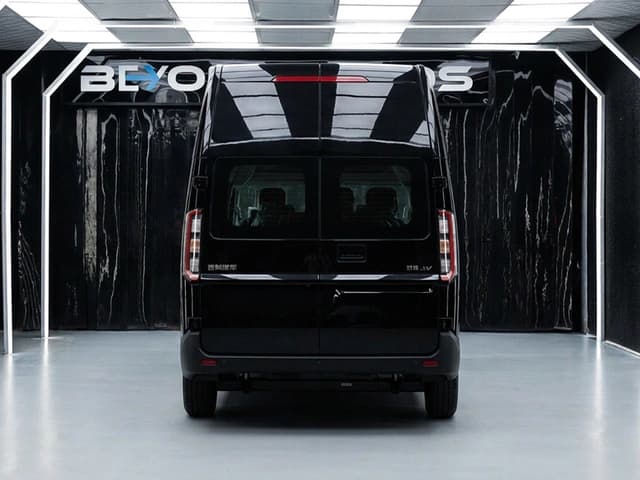
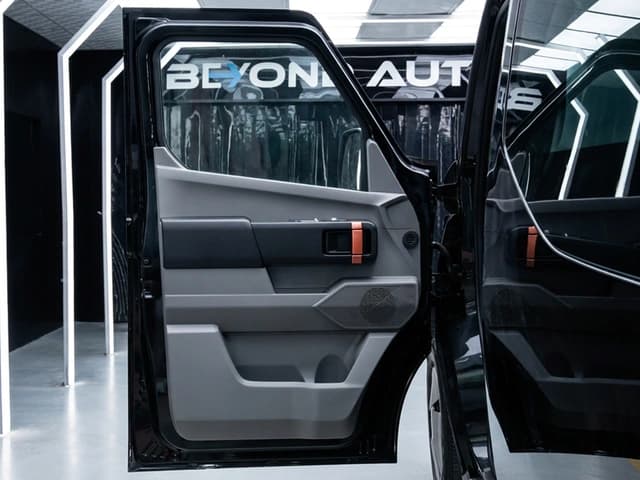
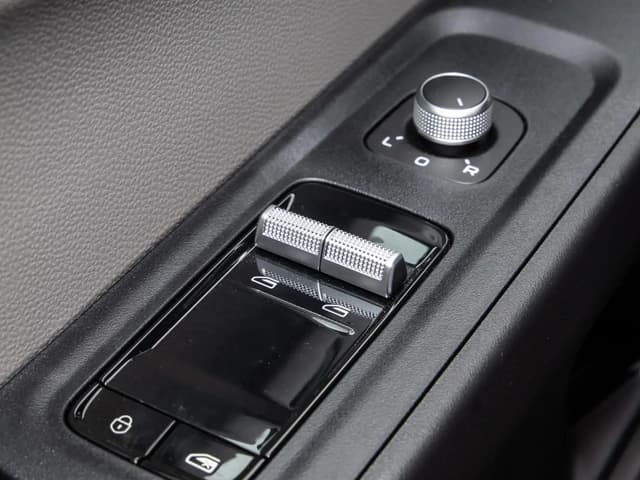
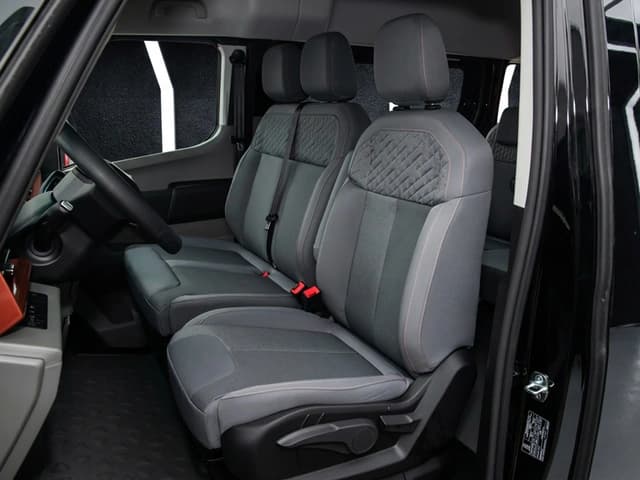
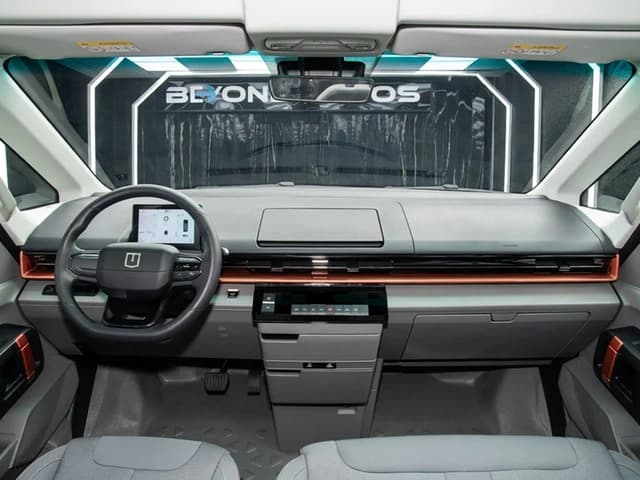
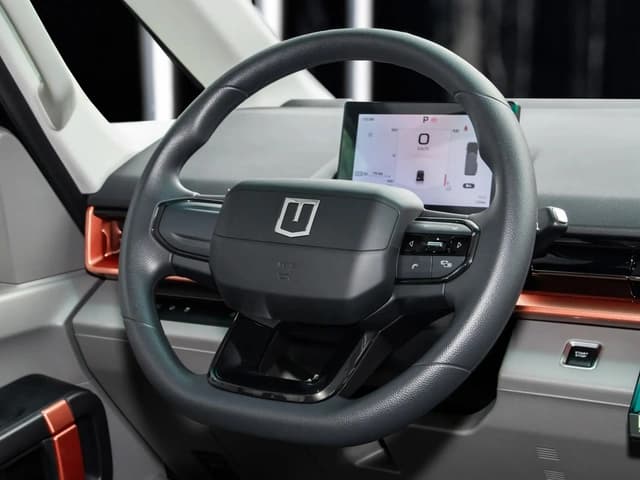
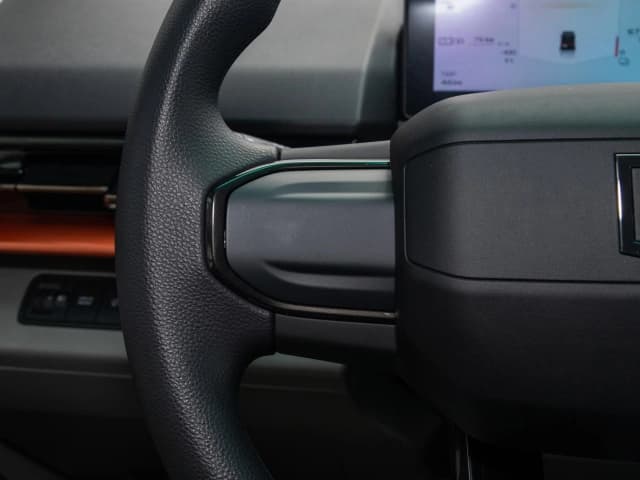
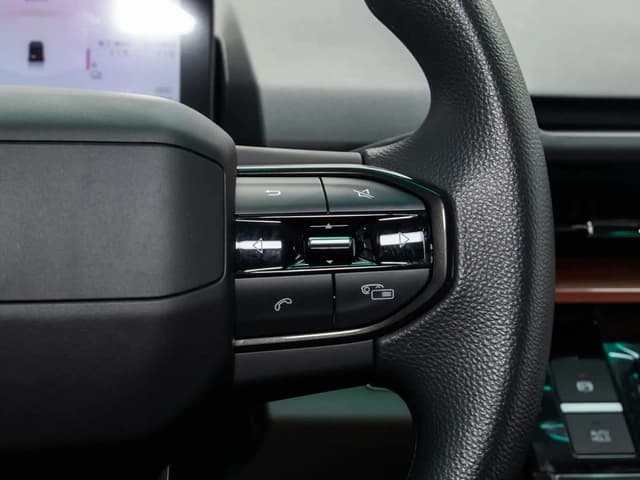
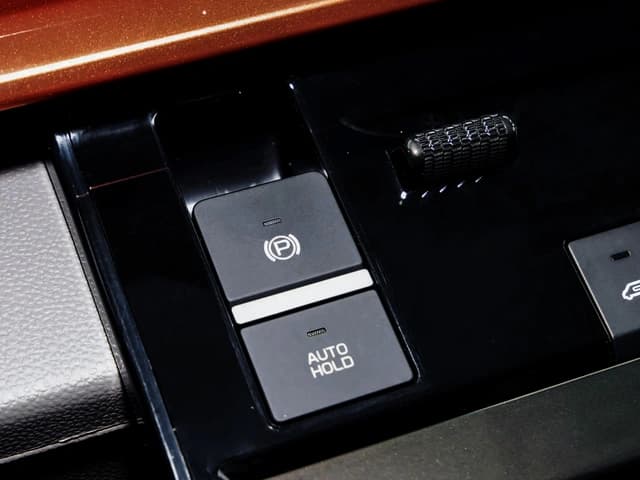
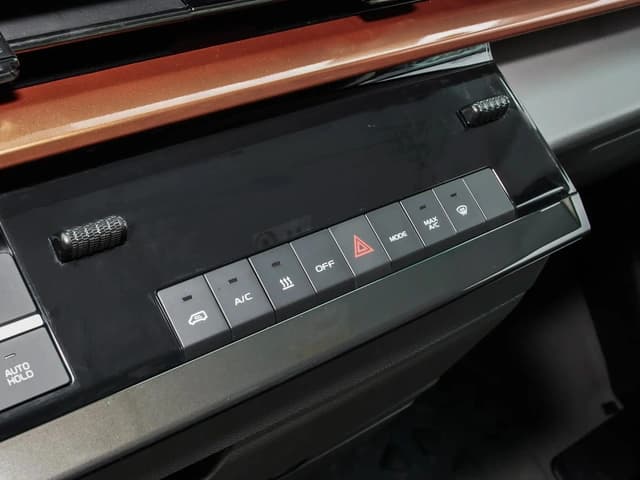
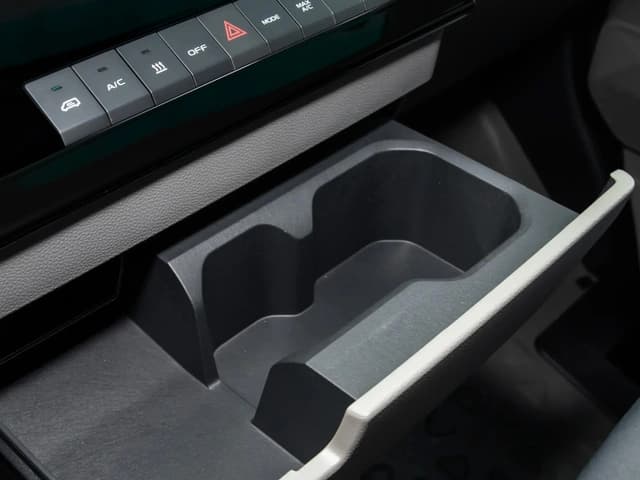
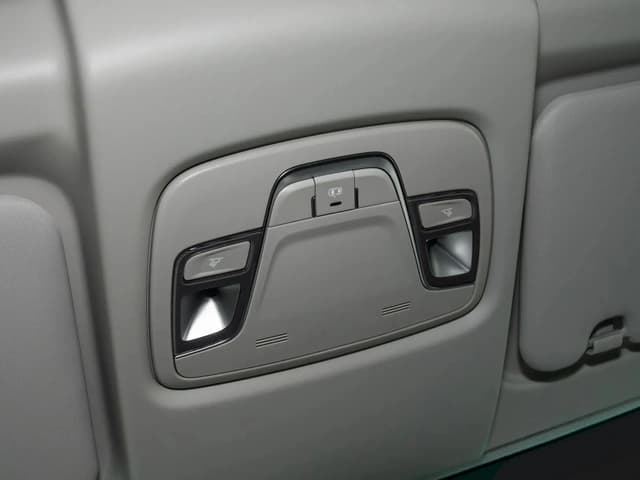
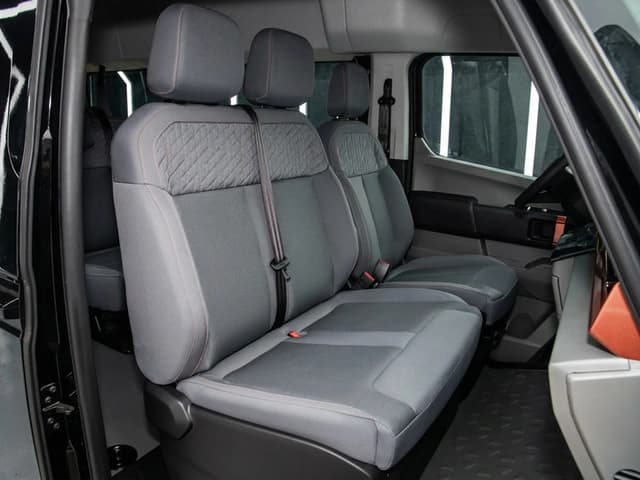
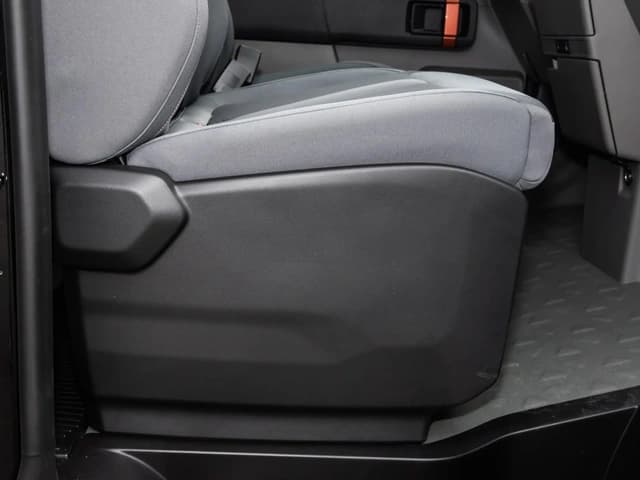
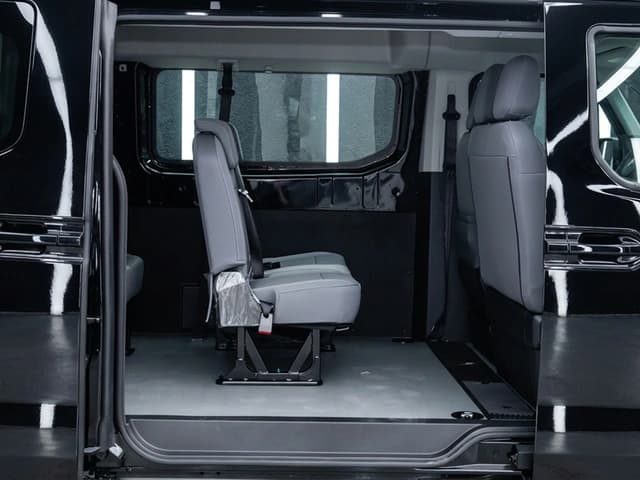
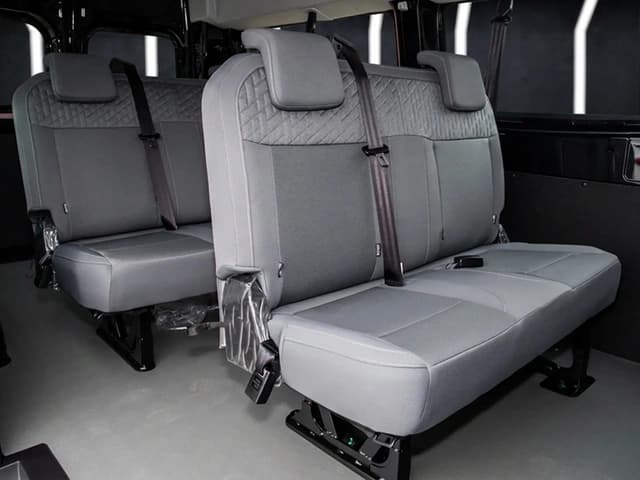
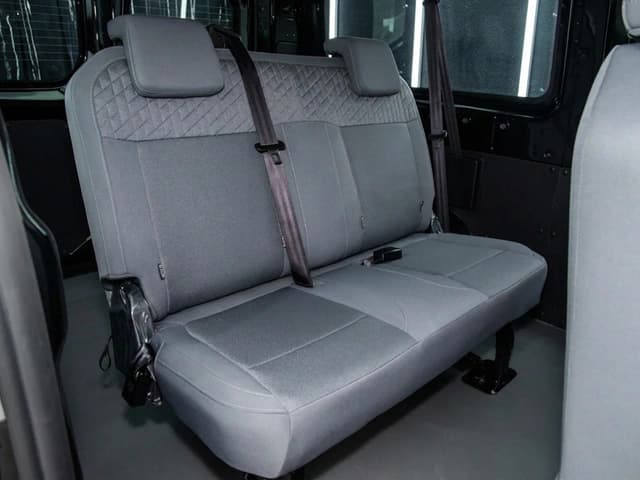
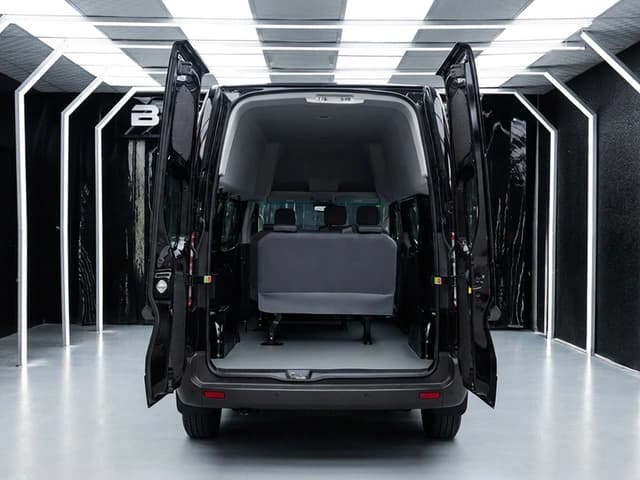
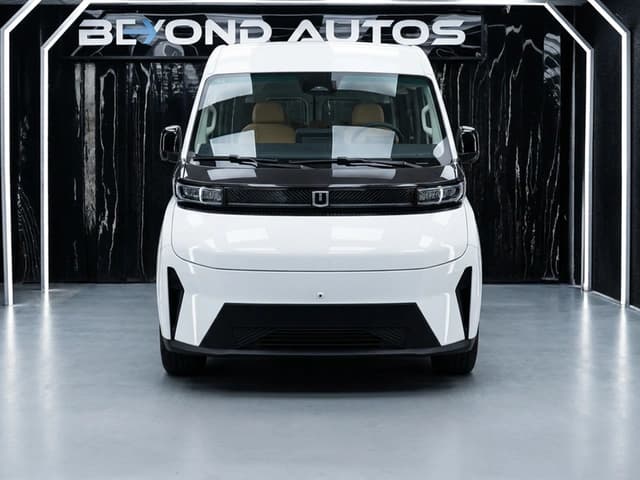
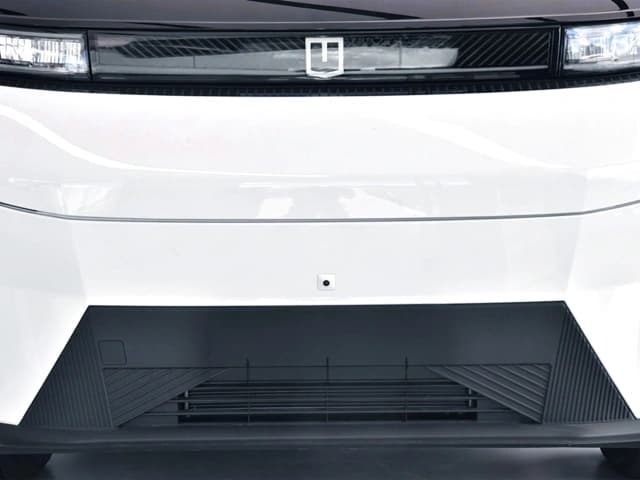
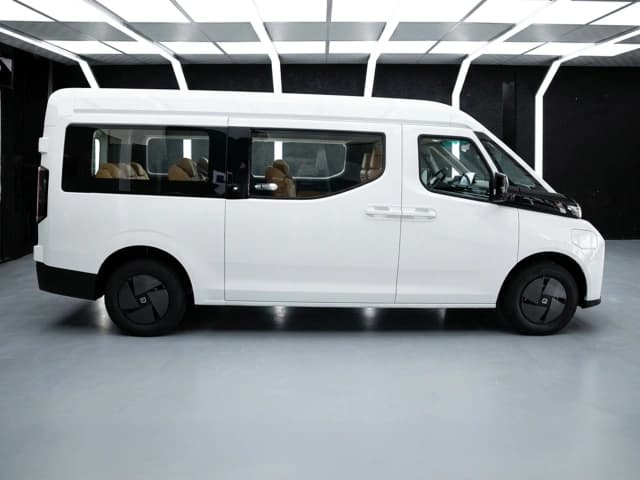
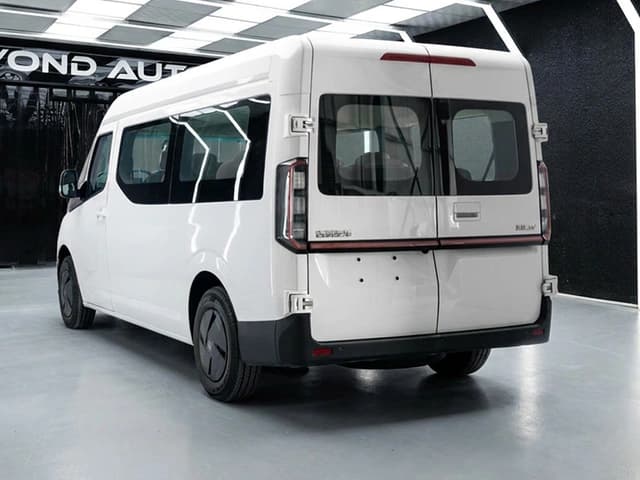
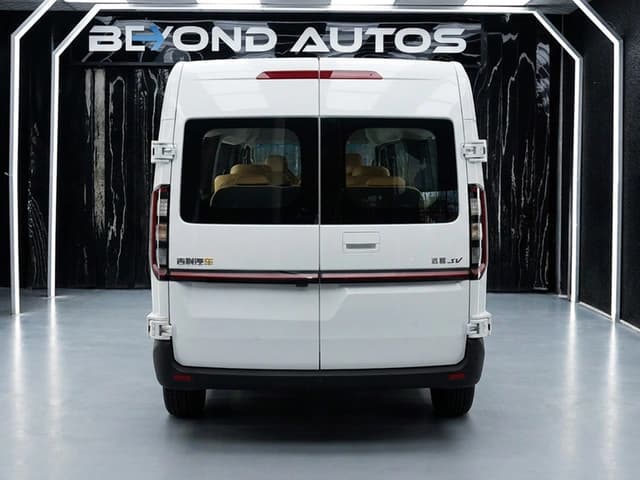
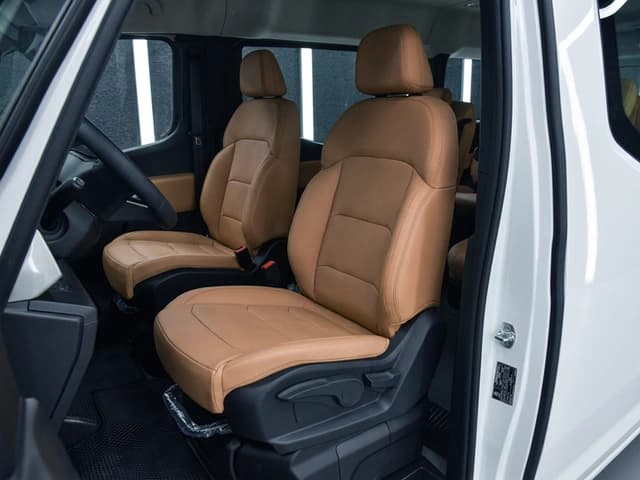
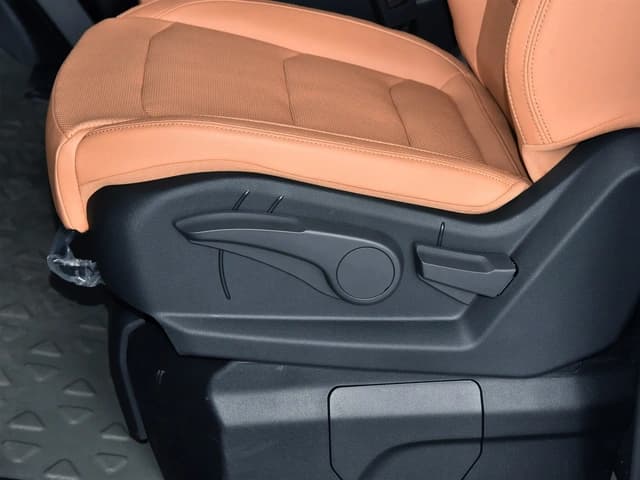
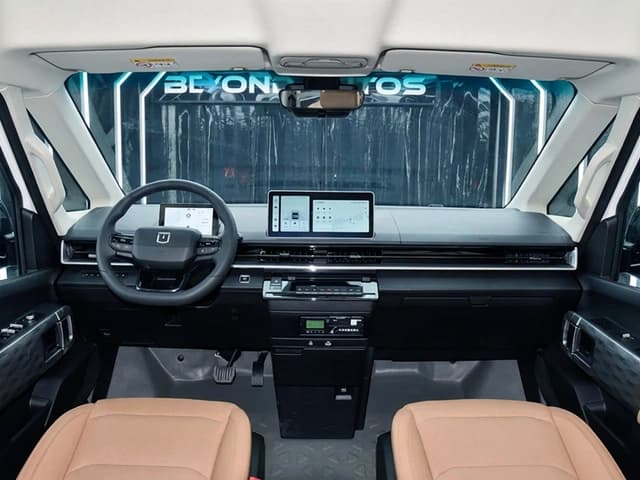
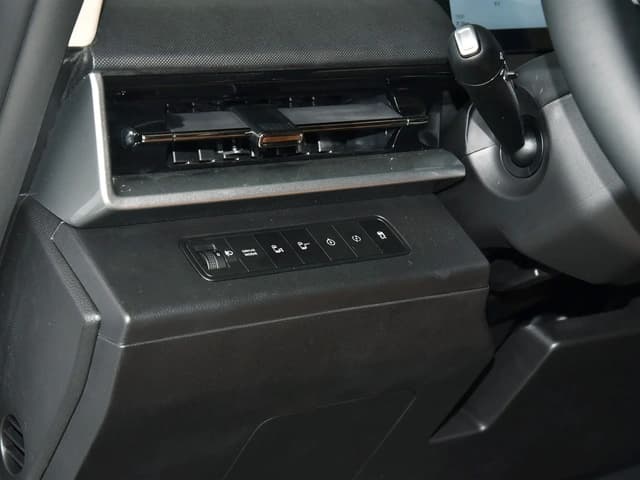
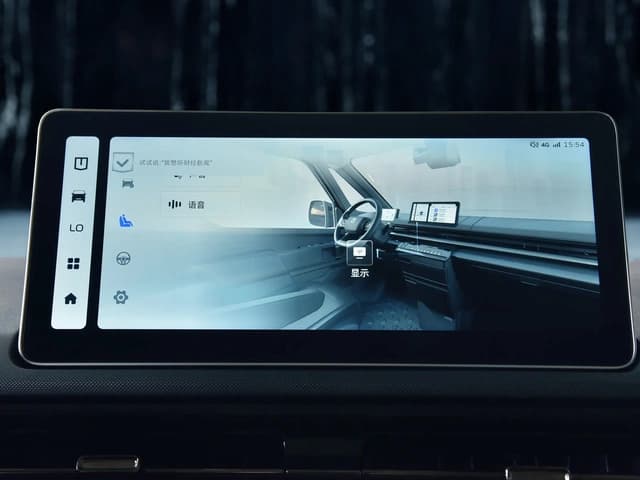
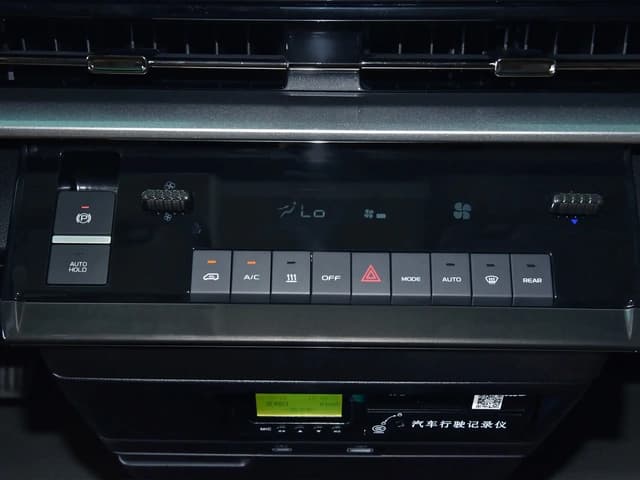
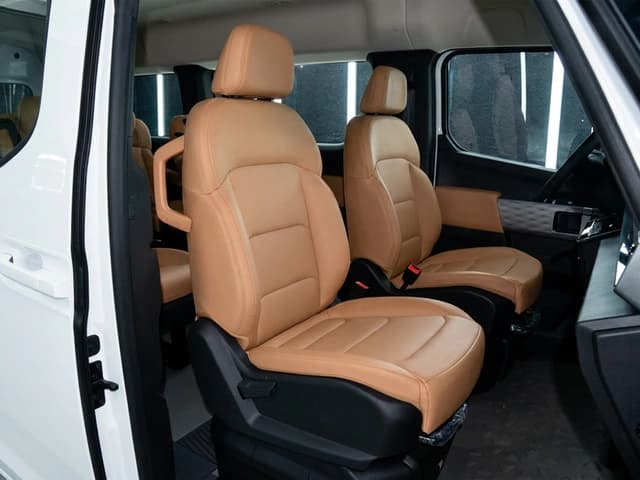
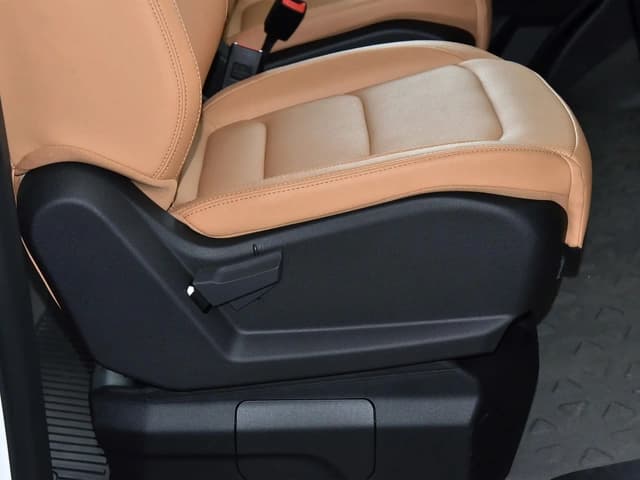
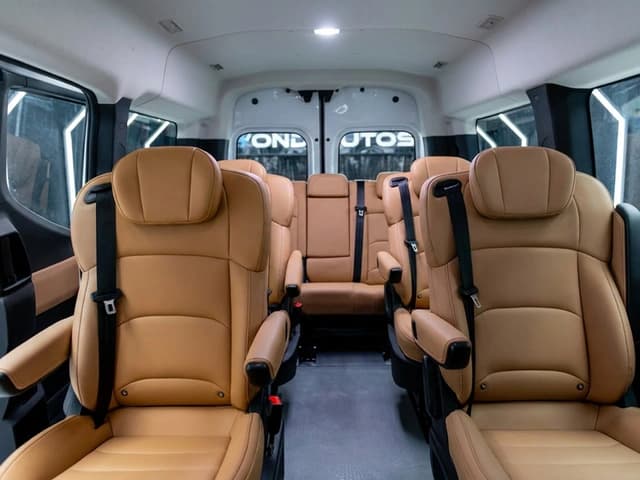
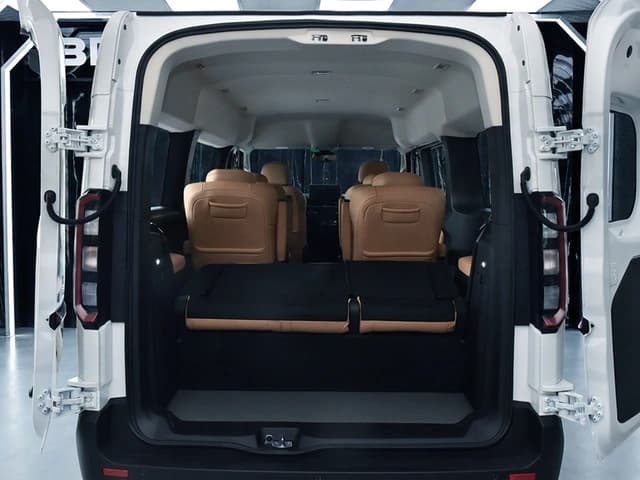
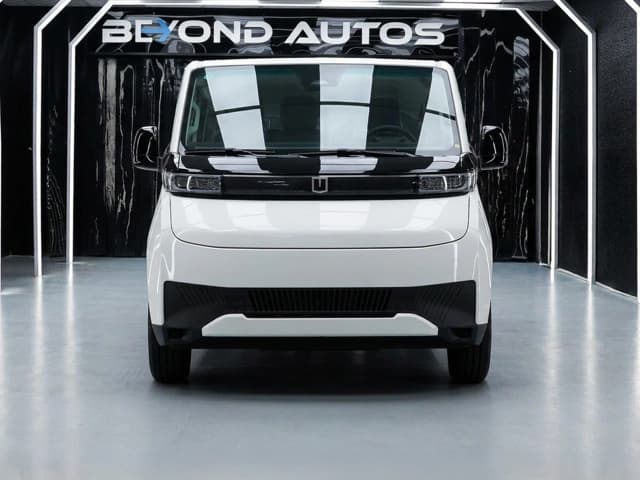
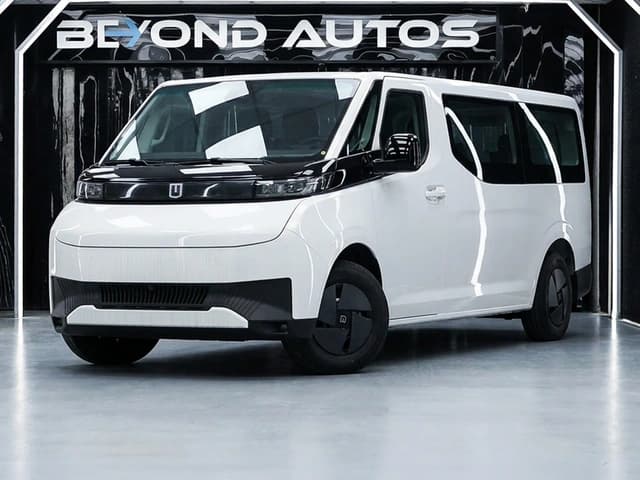
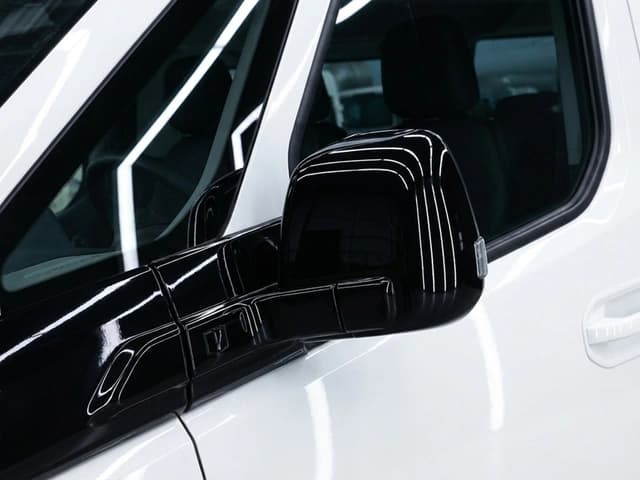
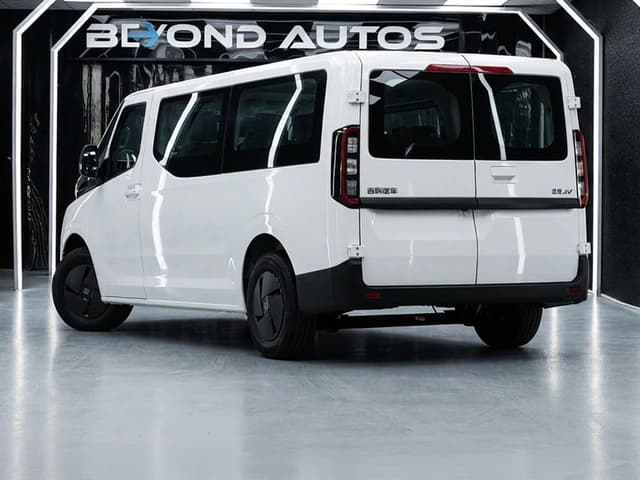
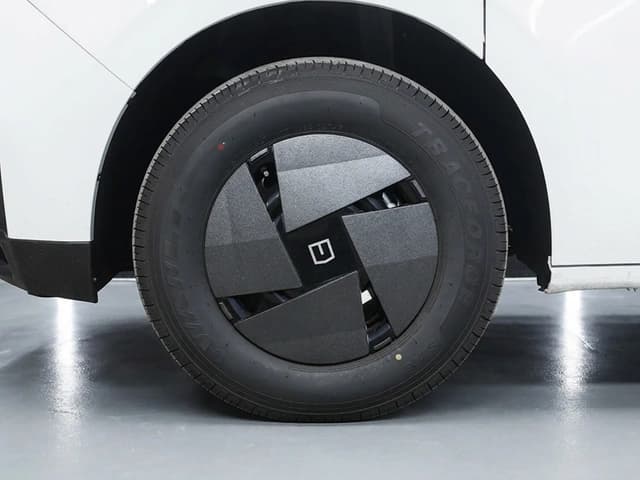
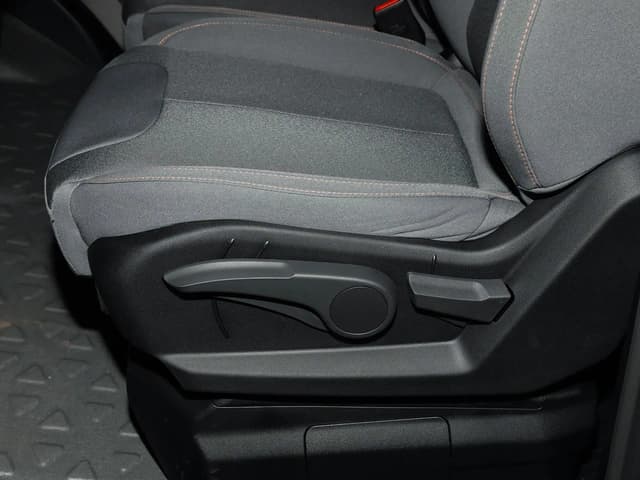
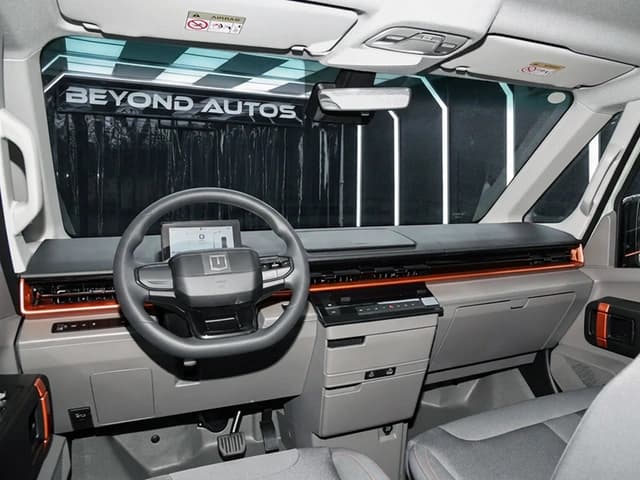
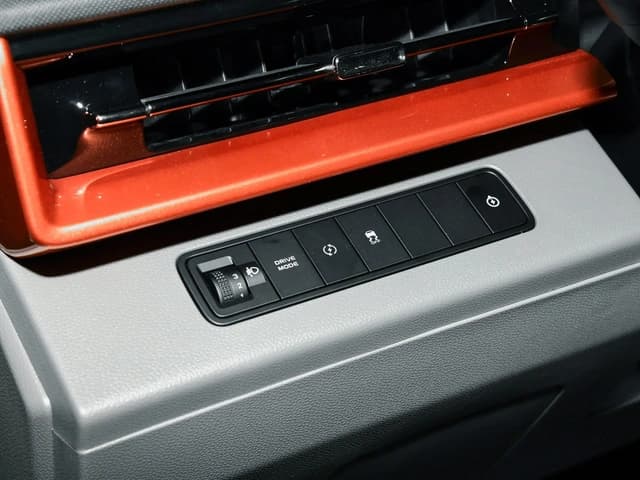
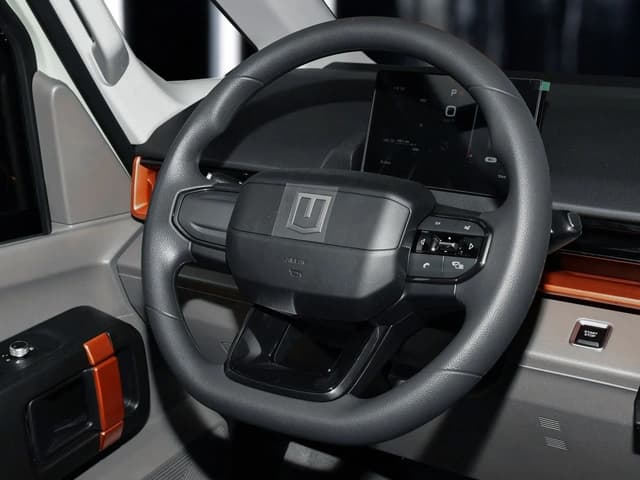
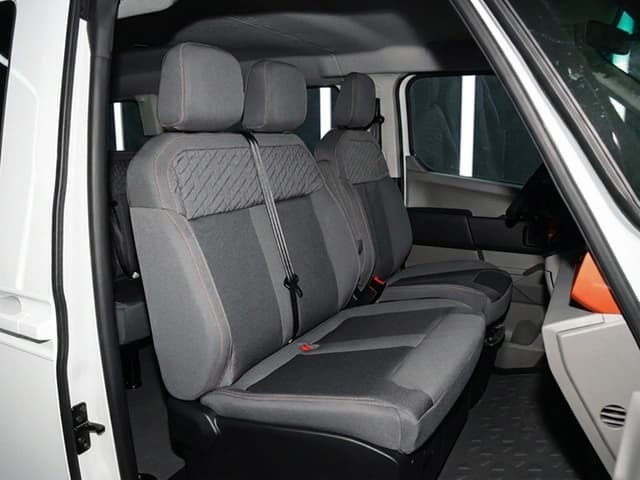
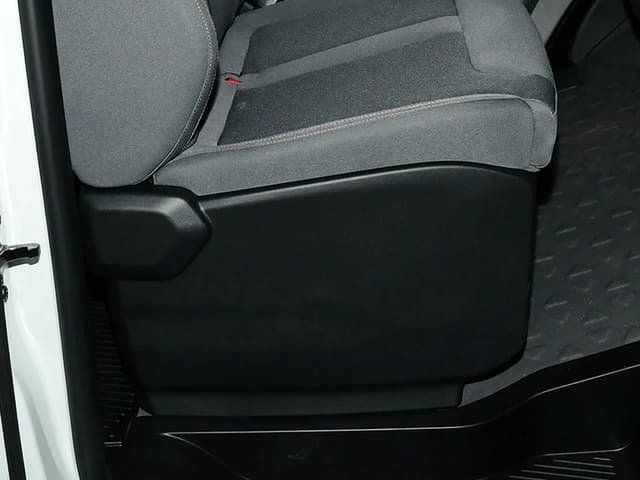
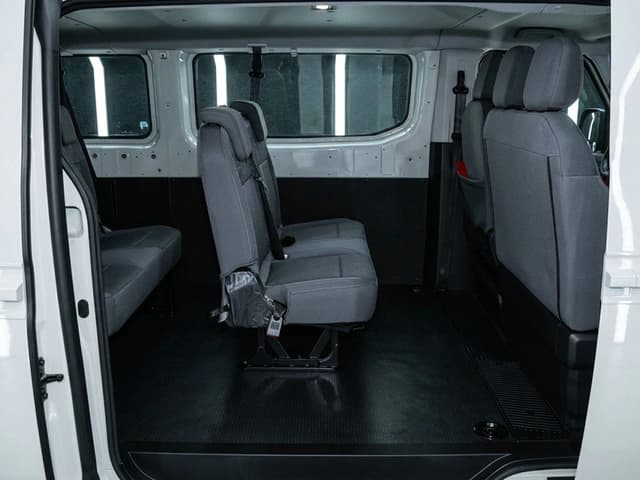
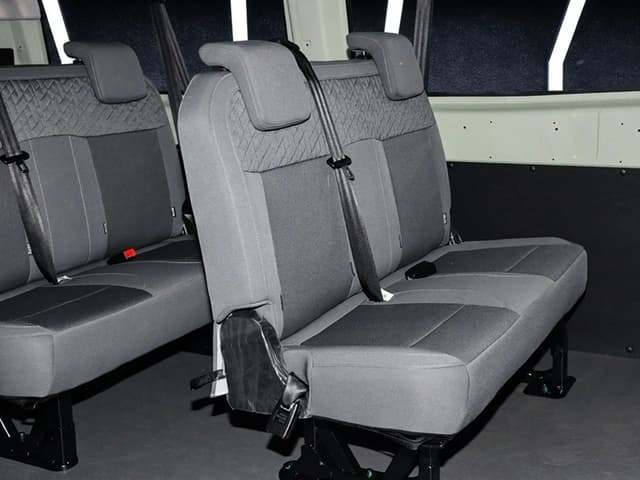
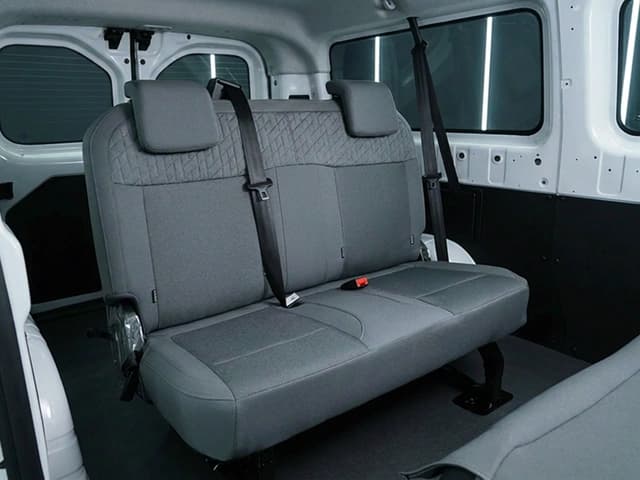
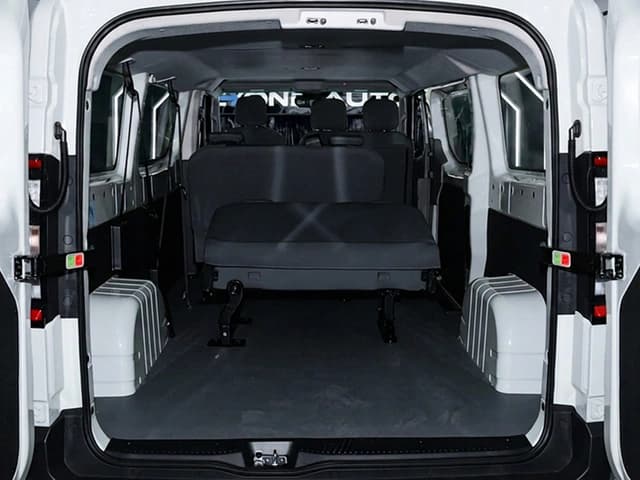
The Farizon SV Passenger is a fully electric van with flexible 7 or 9-seat configurations, powered by LFP battery technology and delivering zero-emission commercial transport.
3 SV Passenger configurations on offer — request a quote to confirm pricing and lead time.
FOB Dubai · Shipping worldwide
FOB Jebel Ali
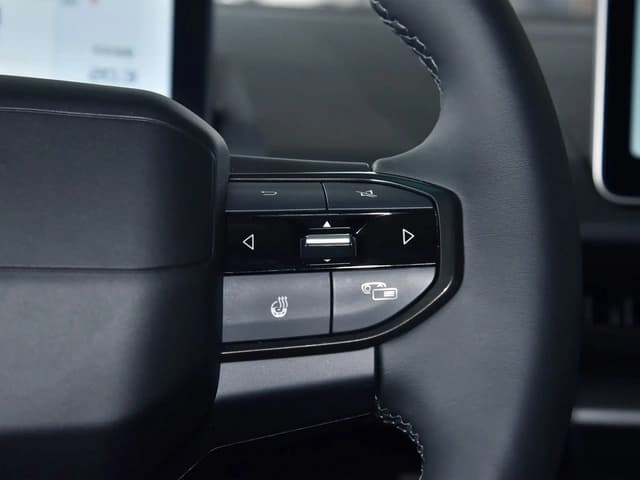
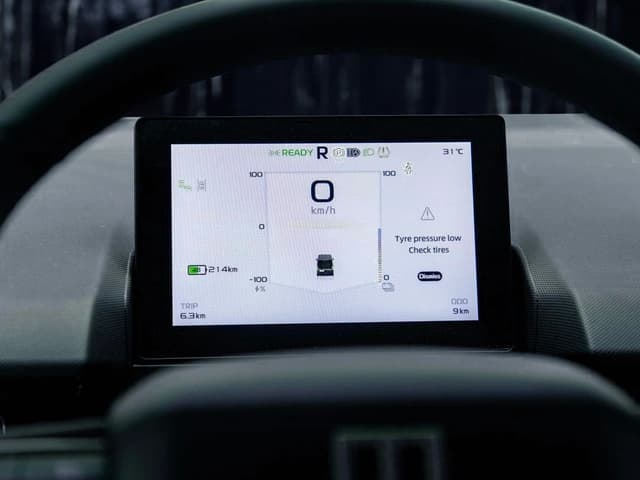
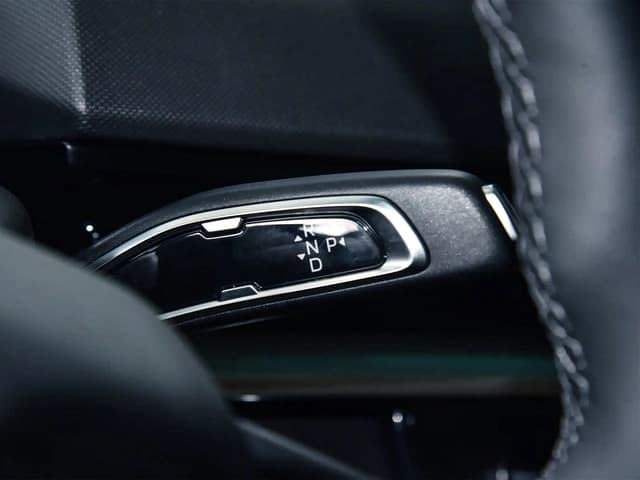
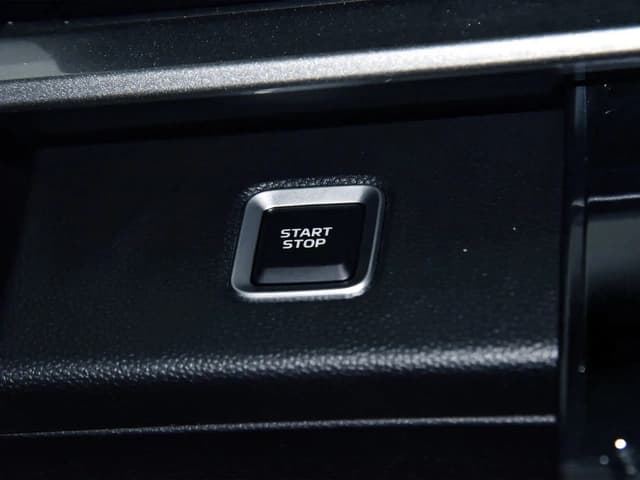
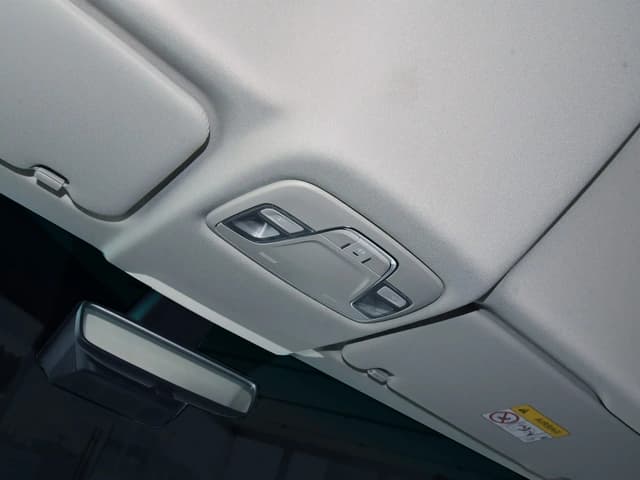
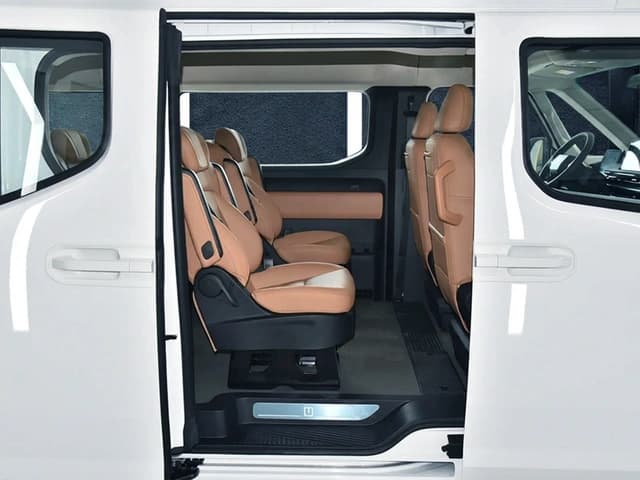
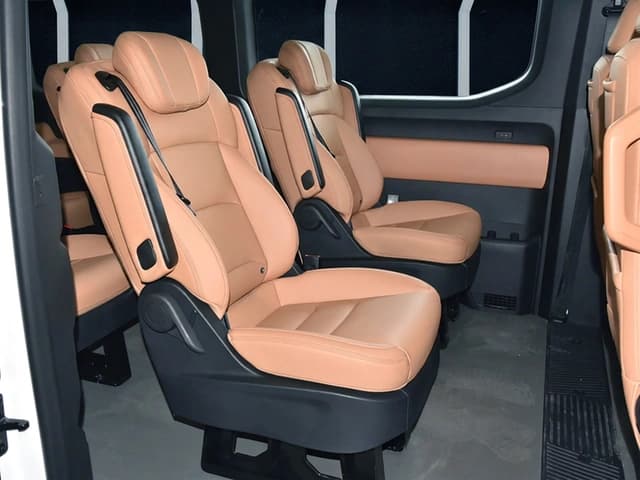
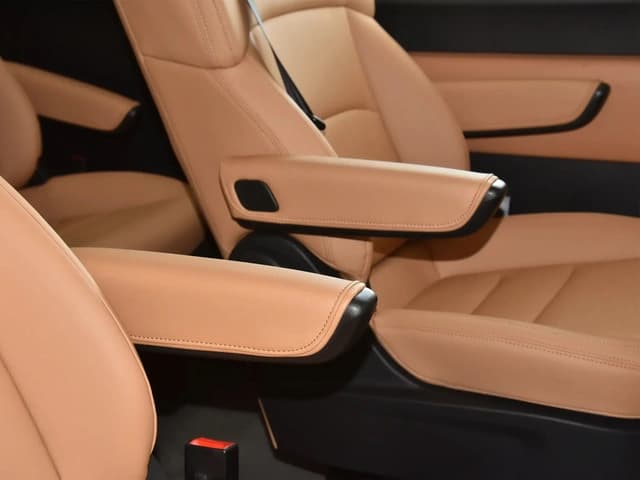
FOB Jebel Ali
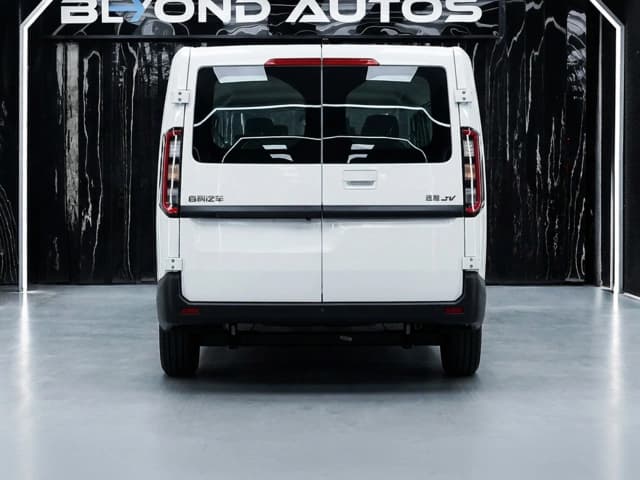
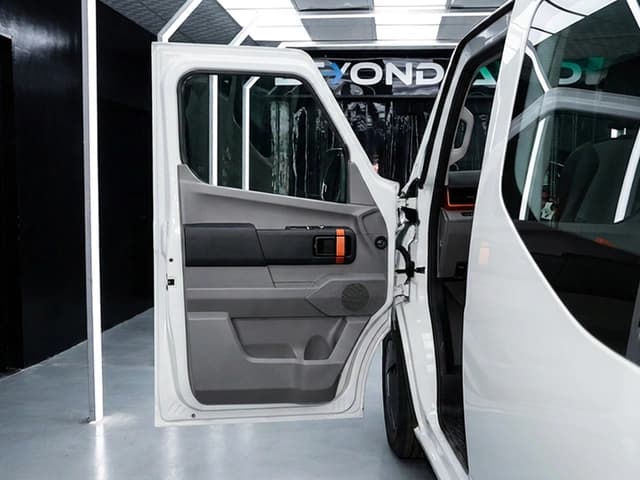
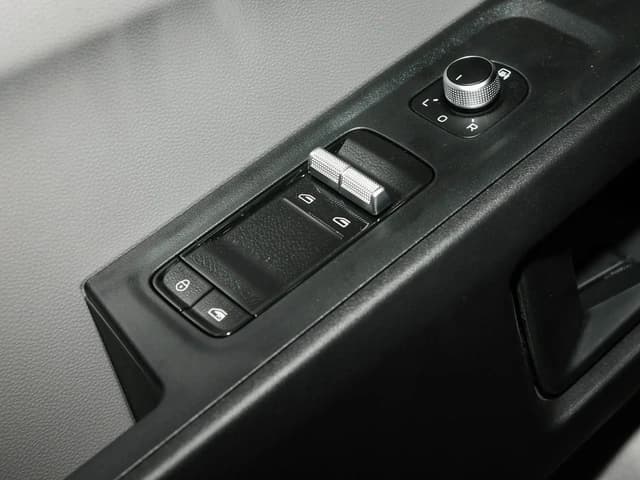
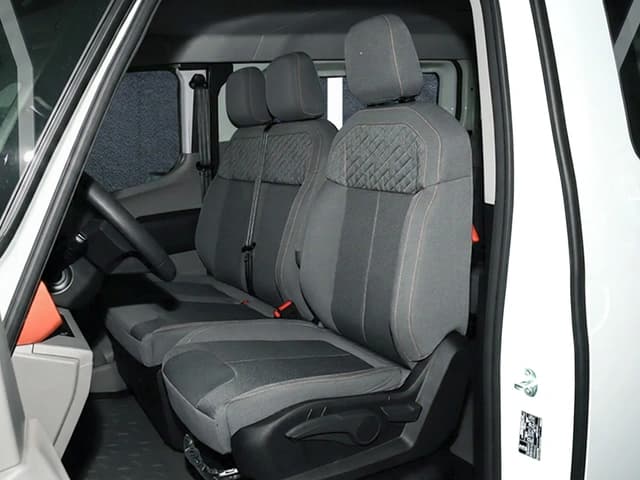
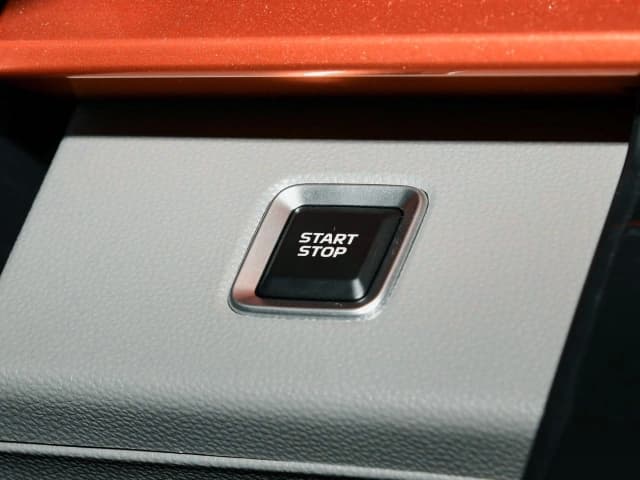
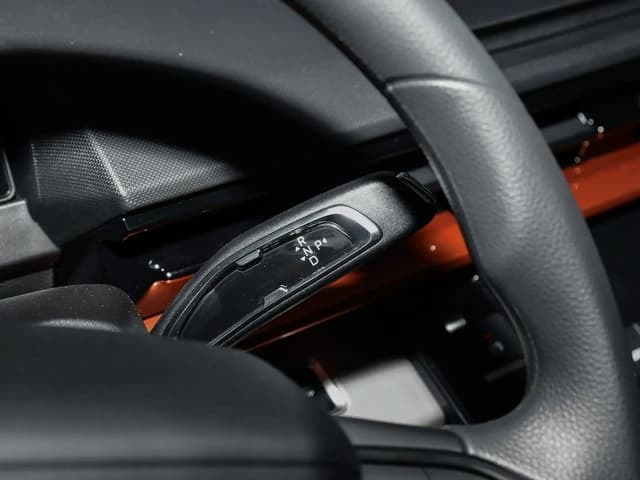
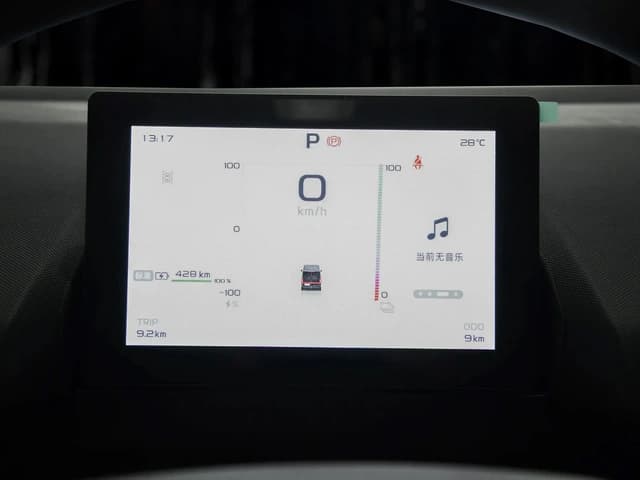
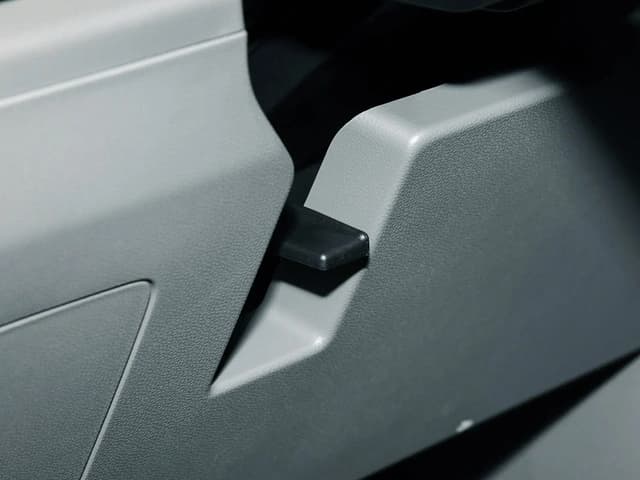
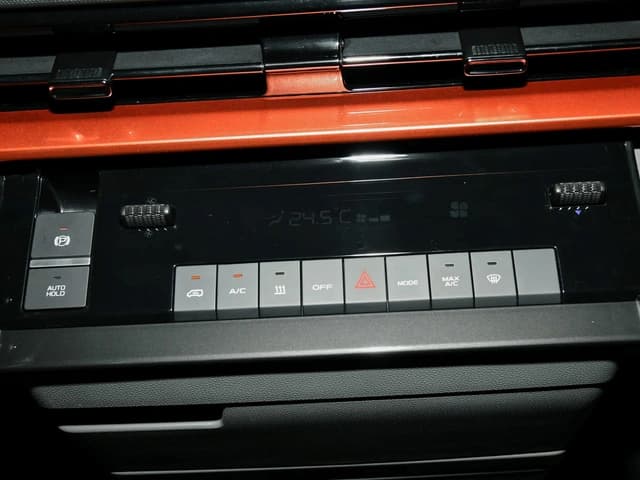
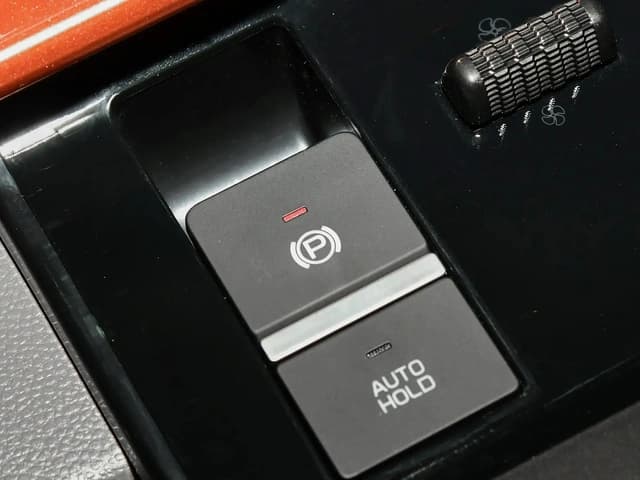
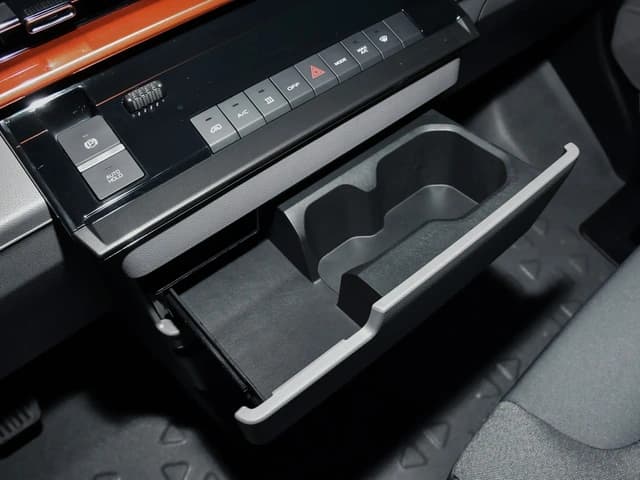
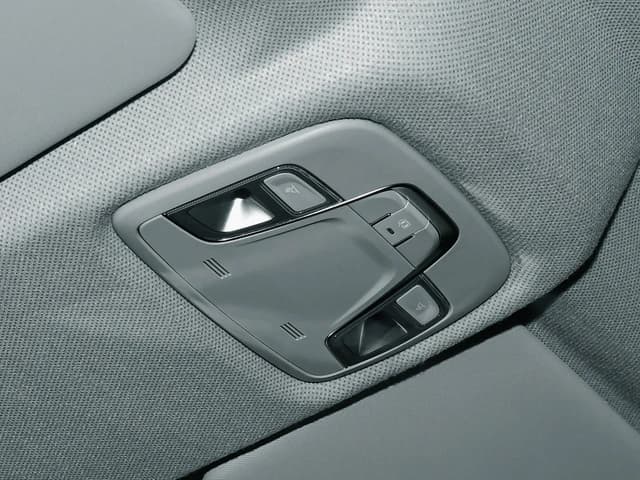
FOB Jebel Ali
Every officially-available trim of the SV Passenger. Configurations listed for export at Beyond Autos are a subset of these — see the variant filter below for what’s on offer right now. Scroll horizontally to see all spec columns.
SV Passenger L2H3 83-9 Seats | 2026 | 66/170 kW battery Electric | — | 336 Nm | — | Electronic Single-Speed Transmission | 9 | Electric Passenger Van | — | N/A |
SV Passenger L2H2 83-9 Seats | 2026 | 66/170 kW battery Electric | — | 336 Nm | — | Electronic Single-Speed Transmission | 9 | Electric Passenger Van | — | N/A |
SV Passenger L1H1 83-7 Seats | 2026 | 66/170 kW battery Electric | — | 336 Nm | — | Electronic Single-Speed Transmission | 7 | Electric Passenger Van | — | N/A |
The Farizon SV Passenger targets operators and fleet buyers seeking dependable electric passenger transport. It bridges the gap between compact and full-size vans, offering three distinct variants to match different route requirements and passenger volumes.
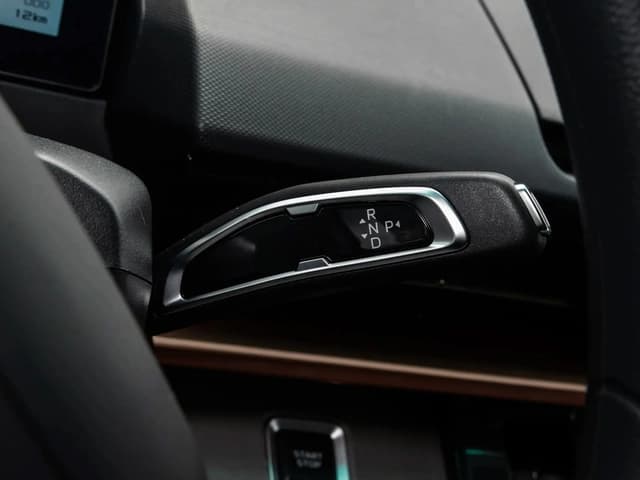
Three body-length options serve varied needs. The L1H1 carries 7 passengers in a compact footprint, ideal for shorter routes and tighter urban environments. The L2H2 and L2H3 both seat 9 passengers, with the taller L2H3 providing additional headroom and cargo volume for longer-distance or high-volume applications. All variants feature electronic single-speed transmission powered by LFP battery technology.
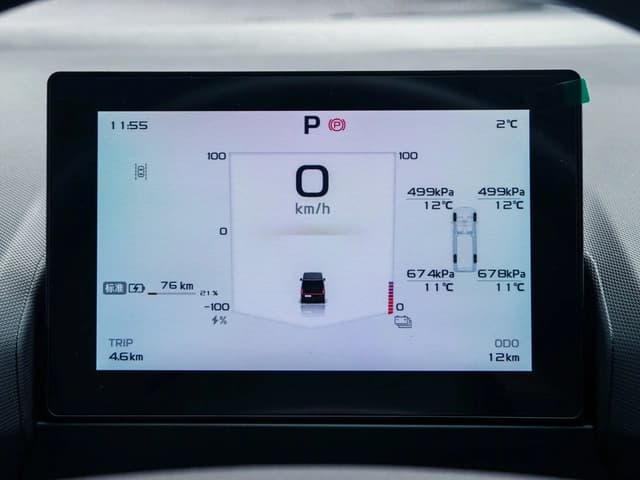
Power output varies by configuration: 66 kW or 170 kW depending on the selected variant. Torque delivery of 336 Nm ensures adequate acceleration for loaded passenger duties. The LFP battery system prioritizes longevity and thermal stability over legacy lithium chemistries, supporting predictable daily cycles in commercial service.
Operators appreciate the zero-emission profile, which opens access to restricted-traffic zones in major cities worldwide. The flexible seating—7 or 9 seats—lets fleet managers right-size vehicles to actual demand rather than over-specifying capacity. Electronic transmission simplifies maintenance compared to traditional gearboxes, reducing downtime and repair costs.
Buyers should confirm range specifications for their intended duty cycle and regional charging infrastructure. The 170 kW output on higher-trim variants suits heavier payloads; smaller operators may prefer the 66 kW baseline. Lead times and local homologation requirements vary by market; early consultation with your freight forwarder is recommended.