Beyond Autos — Dubai, UAE
.webp&w=384&q=75)
2026 · SUV · Toyota
Brand-new · Export from Jebel Ali Free Zone, Dubai
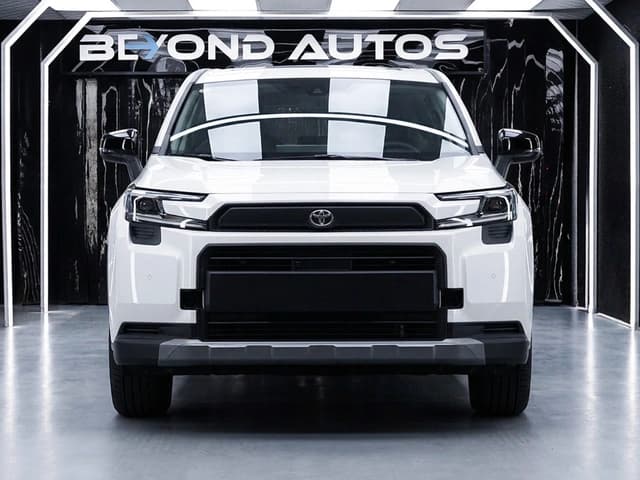
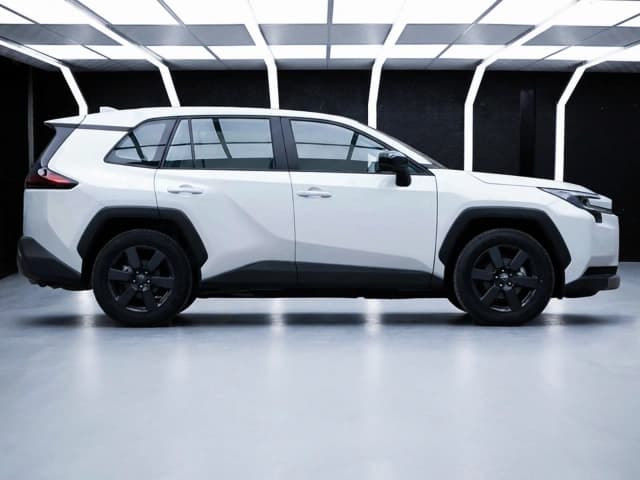
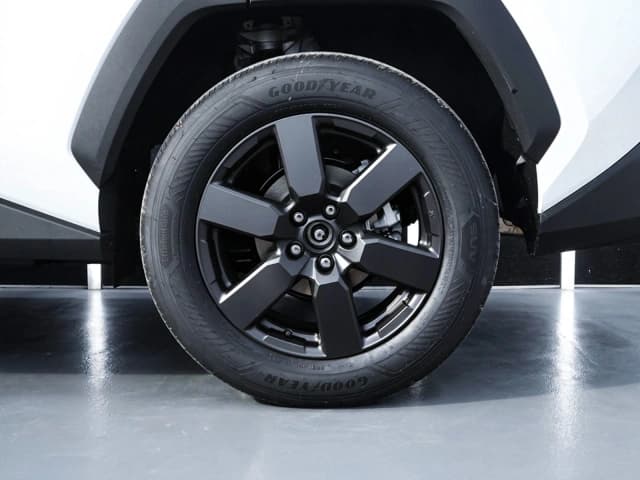
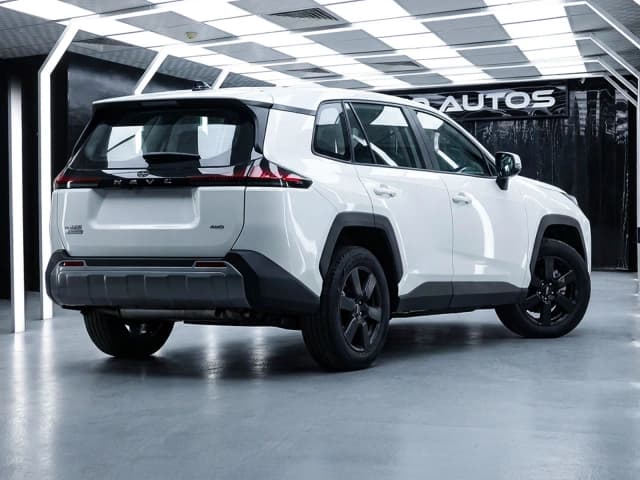
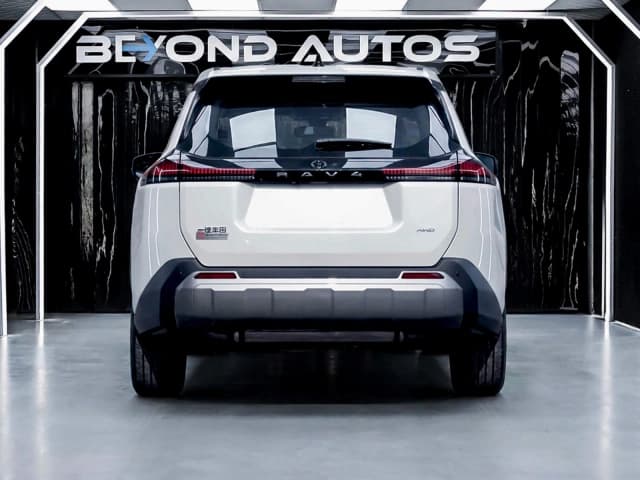
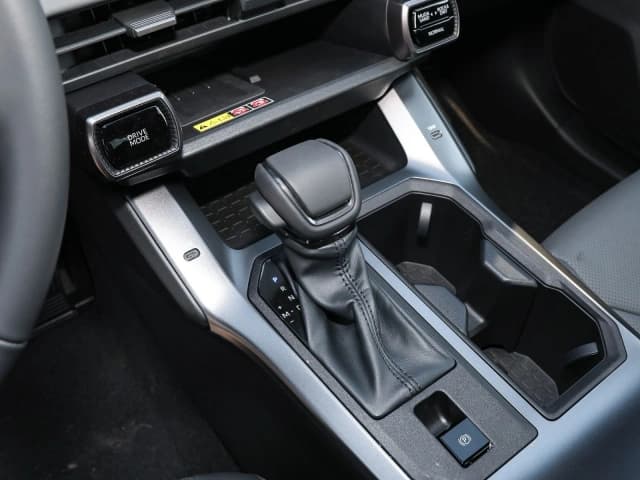
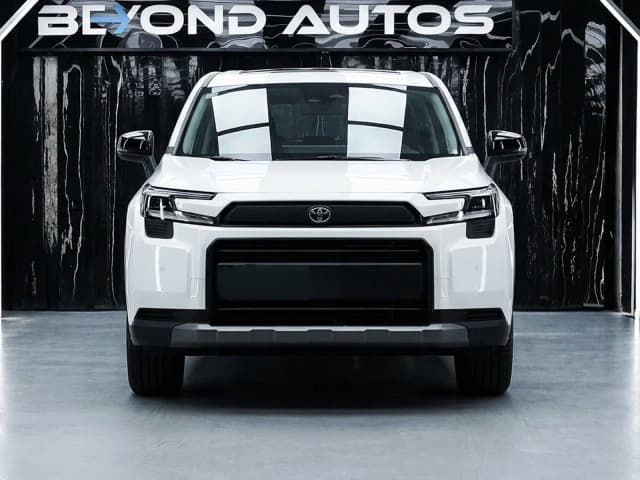
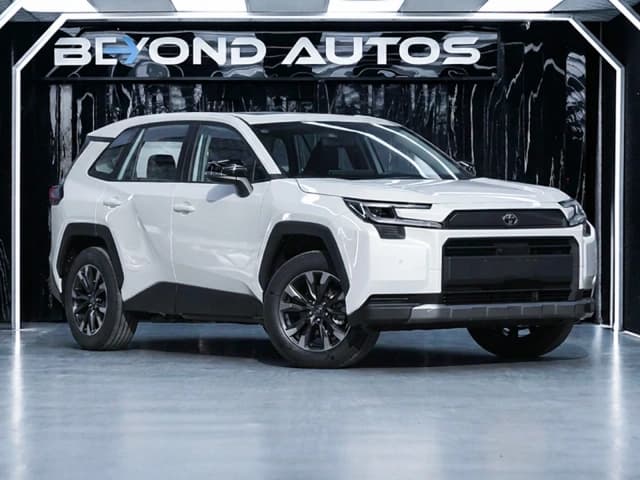
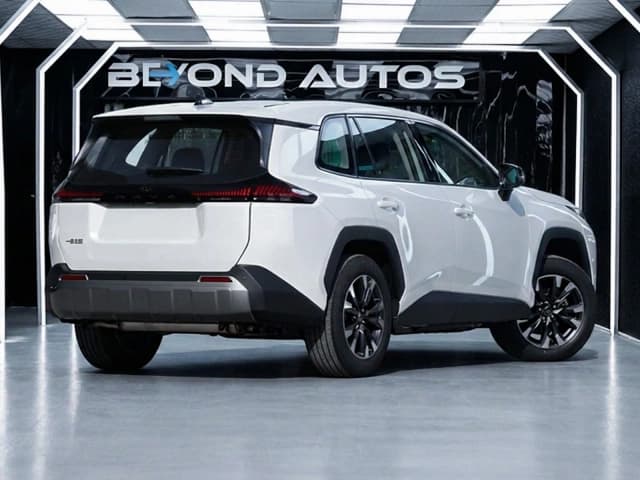
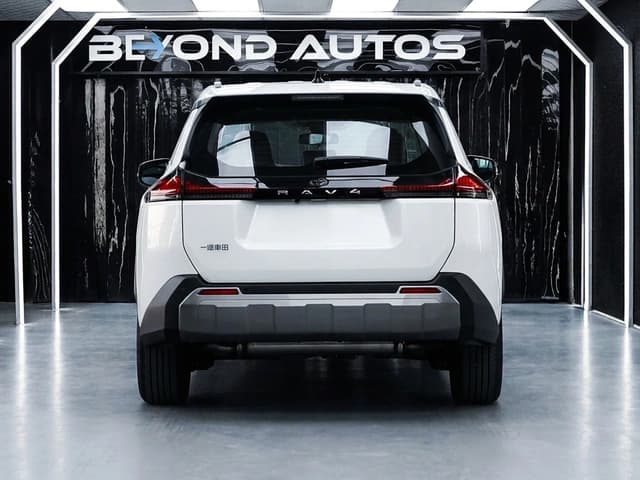
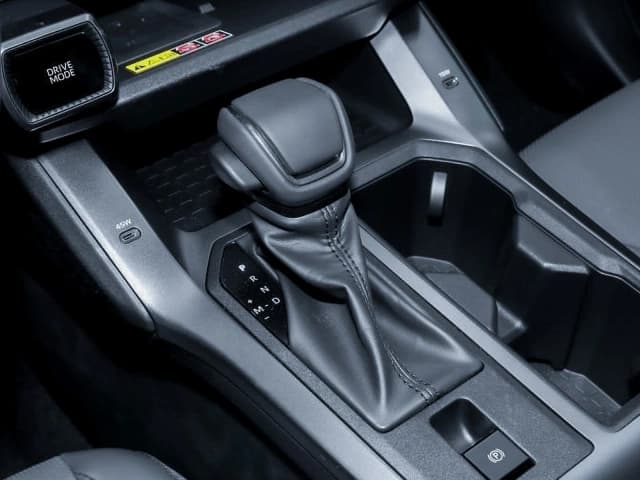
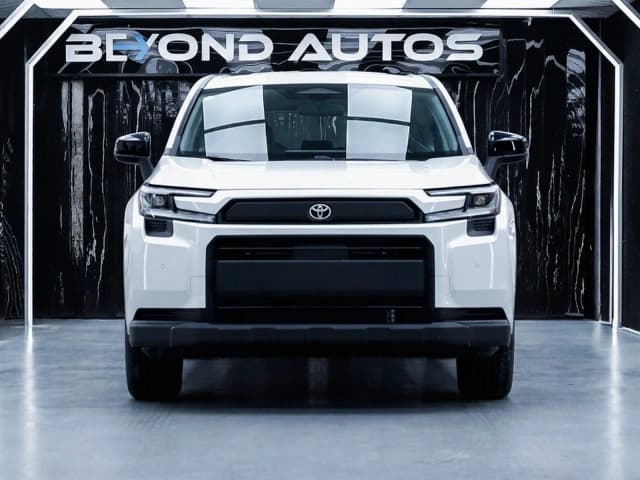
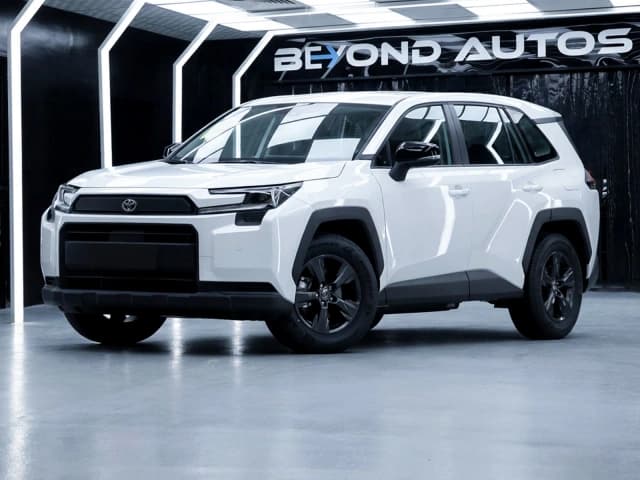
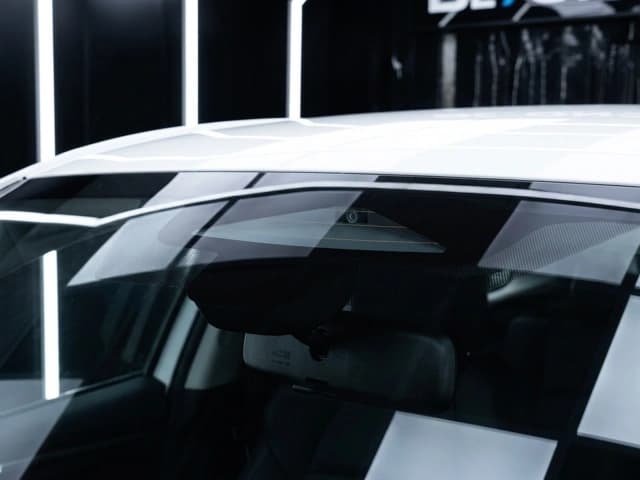
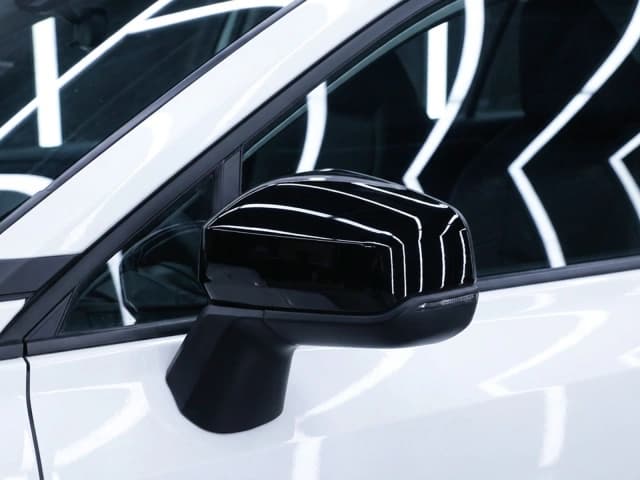
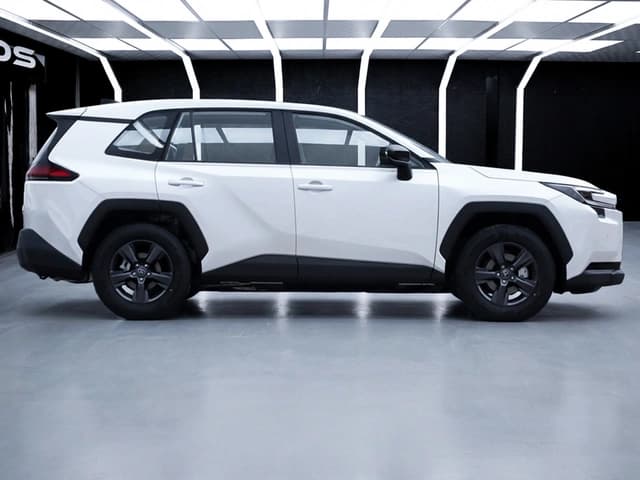
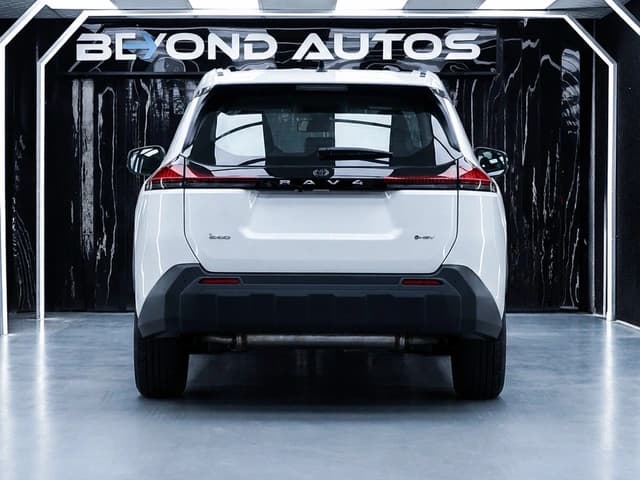
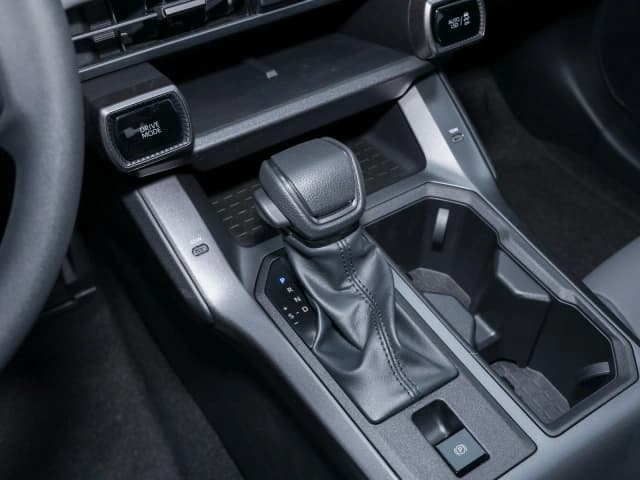
The 2026 Toyota Harrier is a five-seat mid-size SUV engineered for buyers prioritizing fuel efficiency without sacrificing comfort or safety. The 2.0-litre naturally aspirated four-cylinder engine pairs with a CVT transmission that simulates 10 gears, delivering 171 horsepower and a real-world WLTC fuel consumption of 6.54 L/100km—a strong efficiency claim for this class. Front-wheel drive and MacPherson independent suspension provide smooth ride quality over mixed terrain, though this setup favours commuting and highway stability over off-road capability.
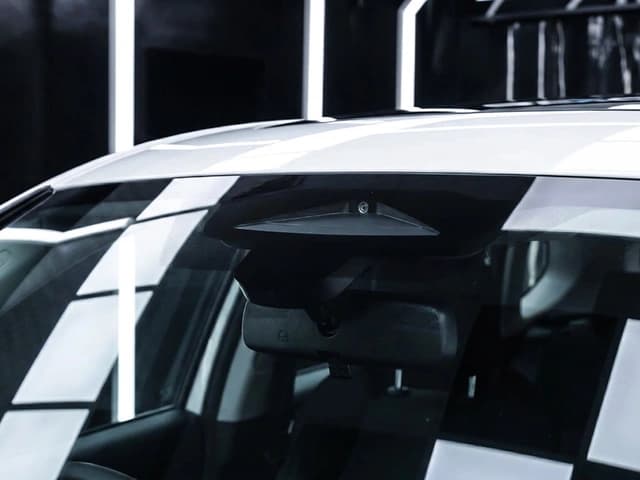
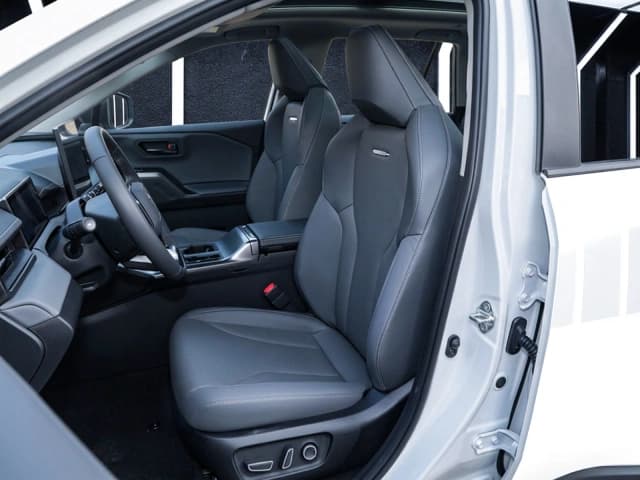
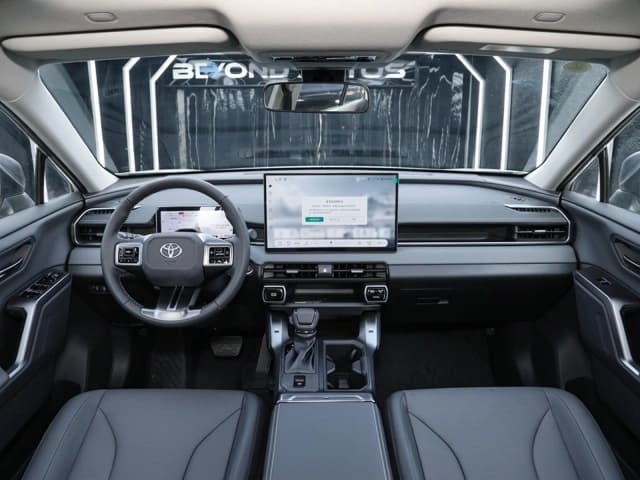
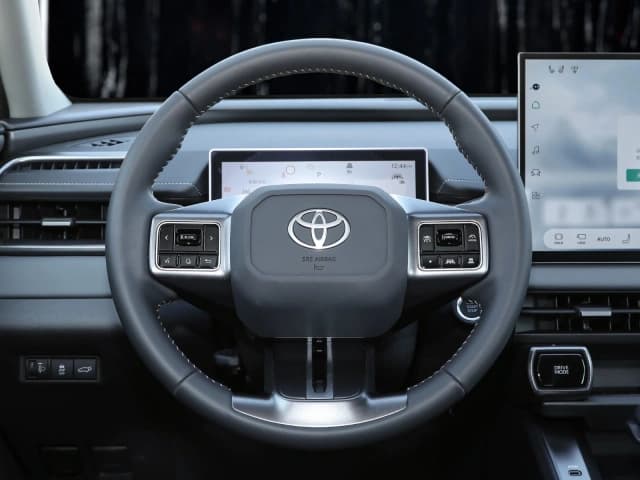
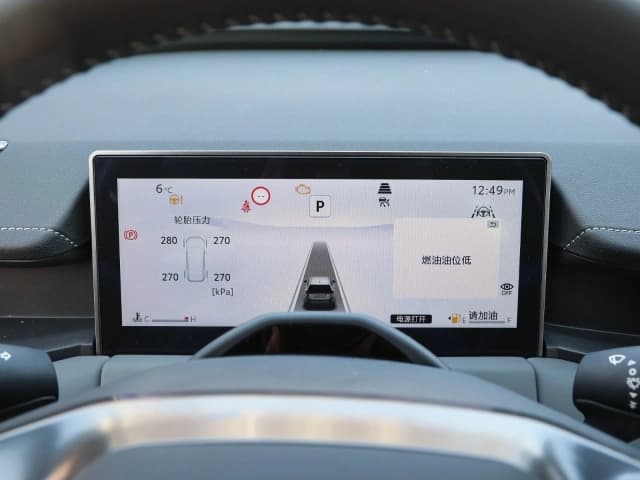
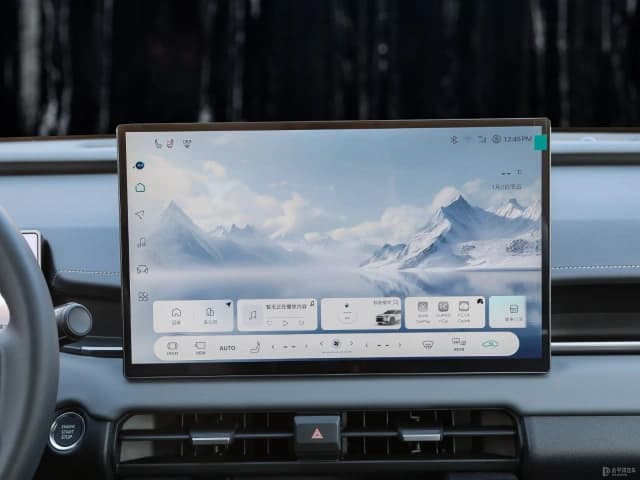
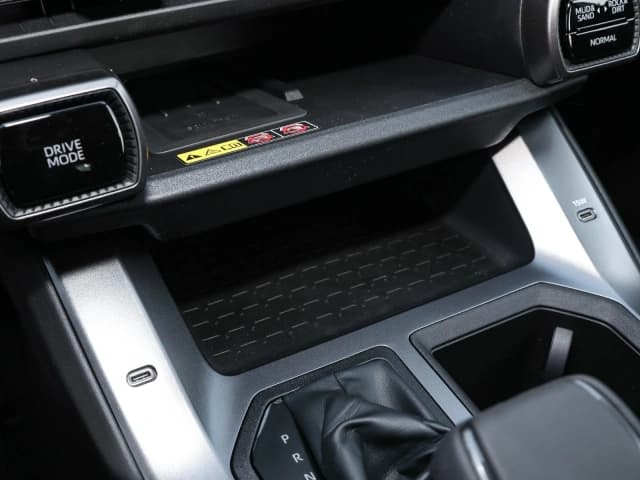
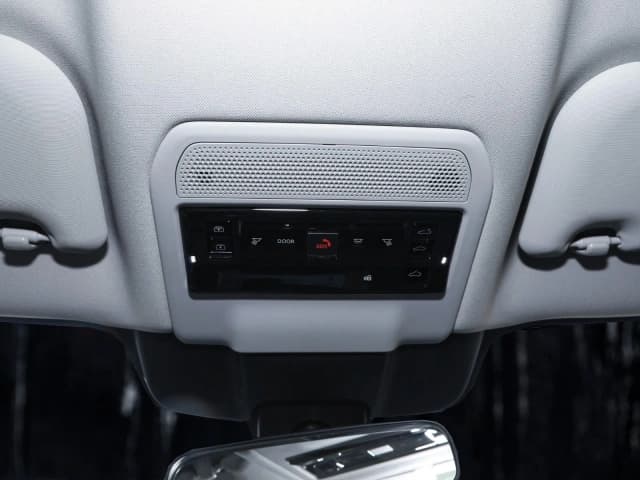
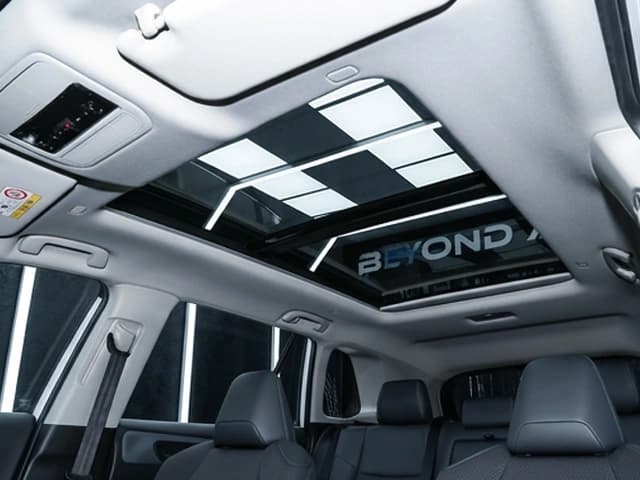
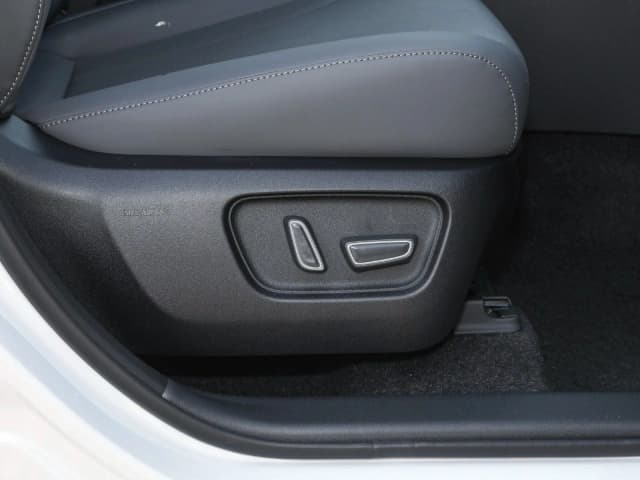
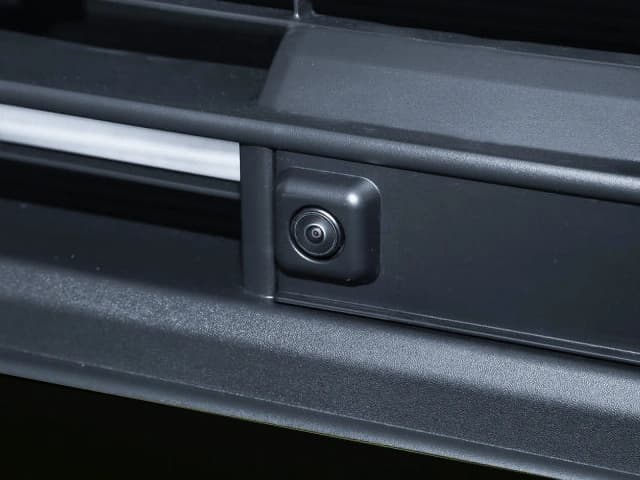
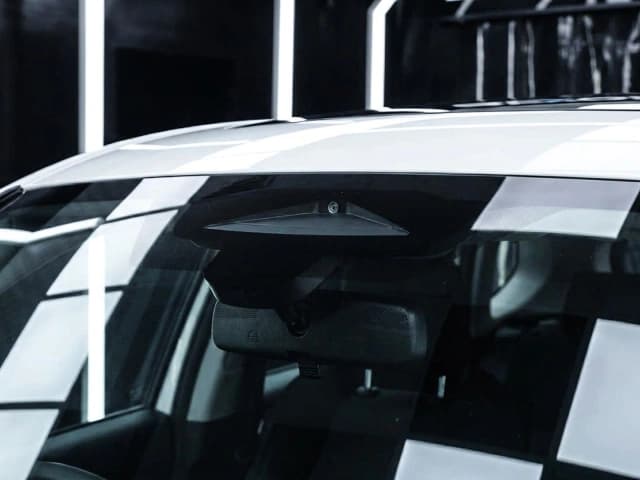
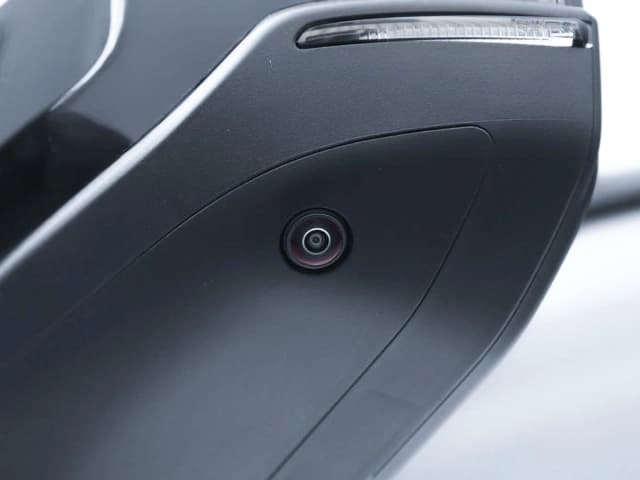
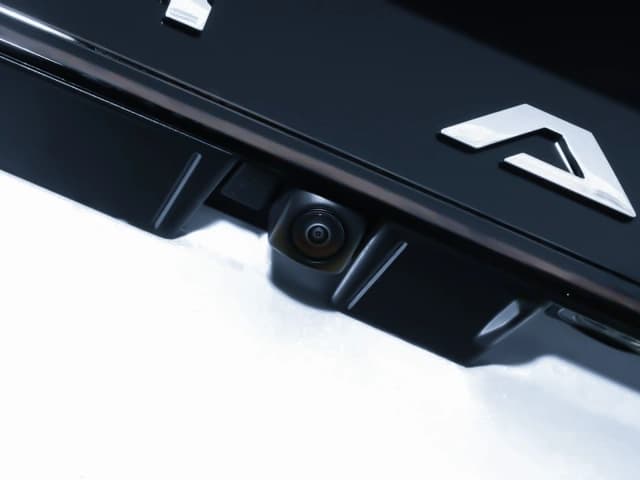
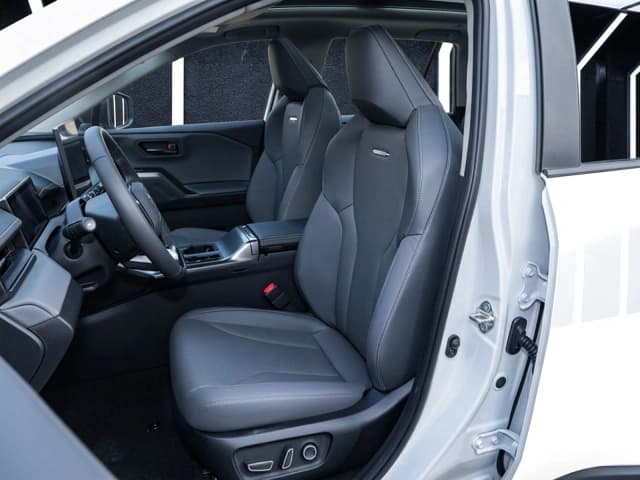
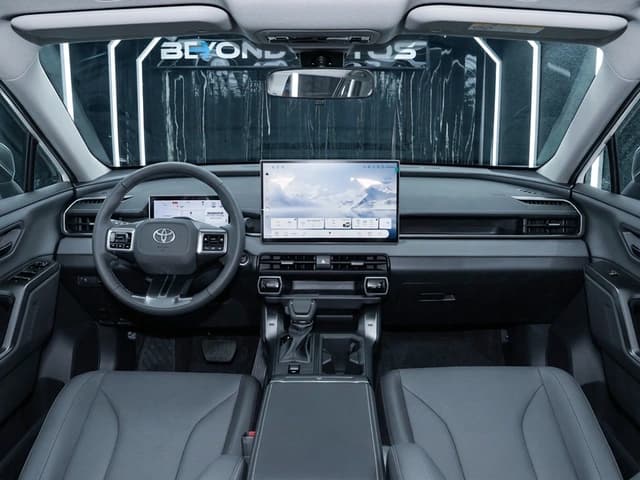
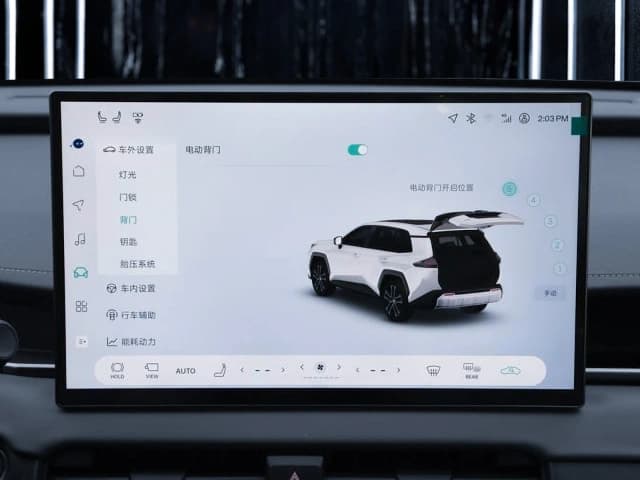
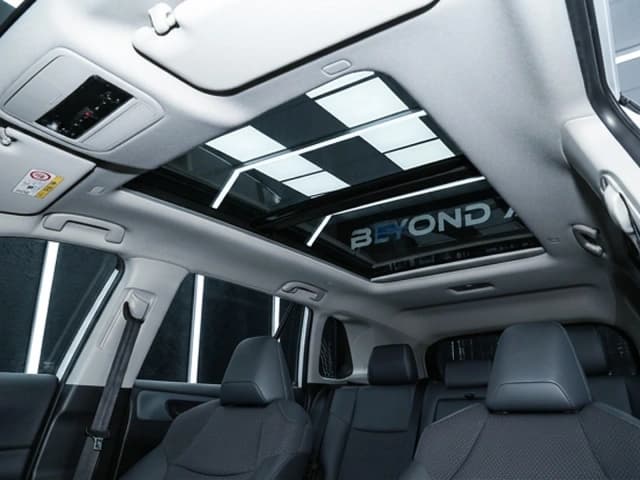
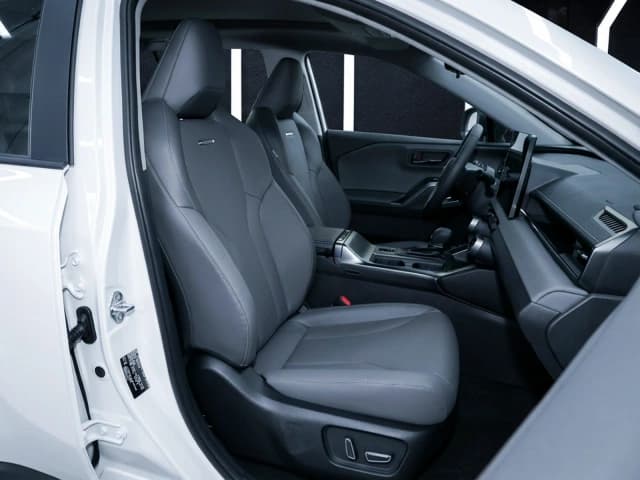
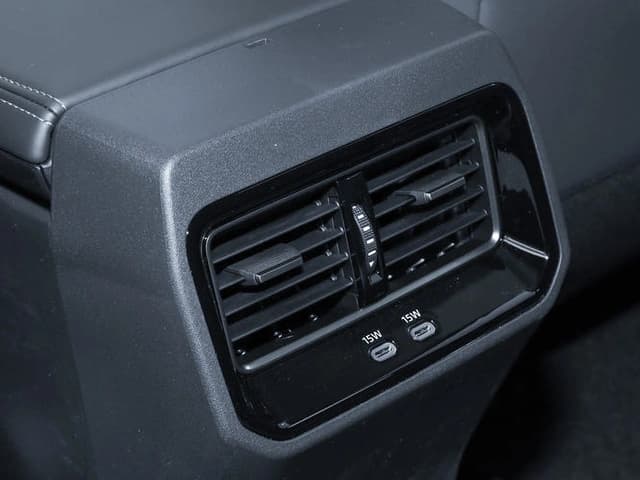
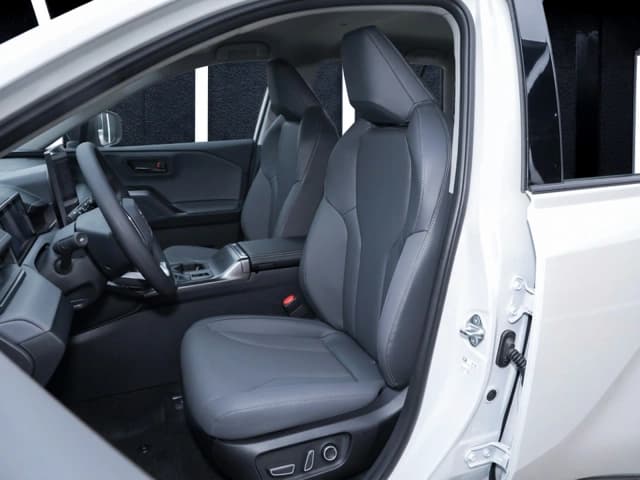
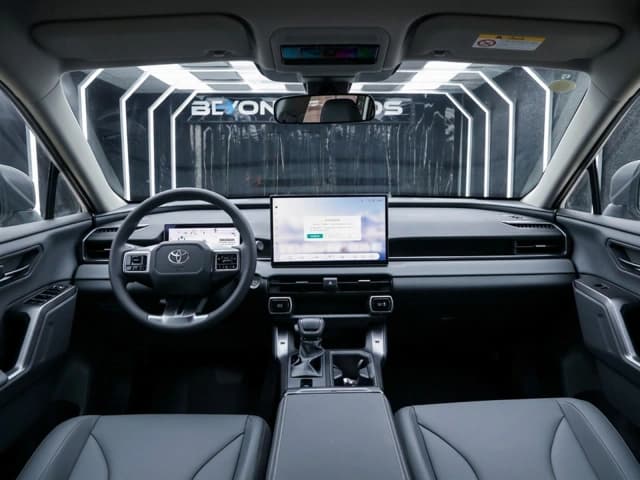
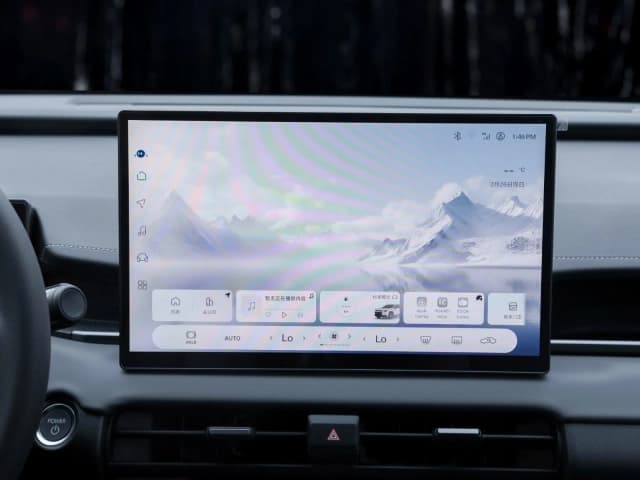
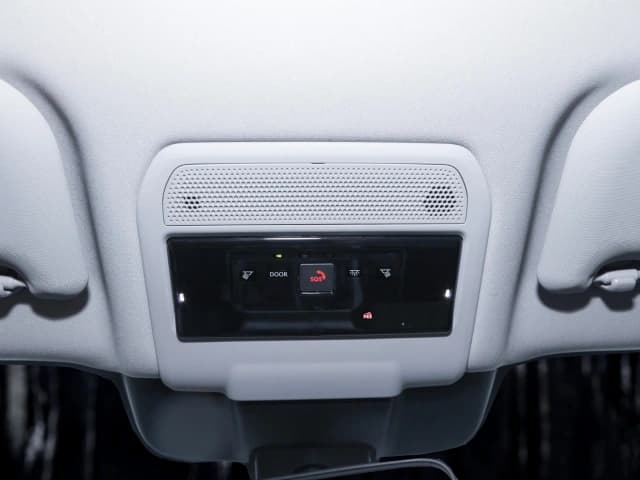
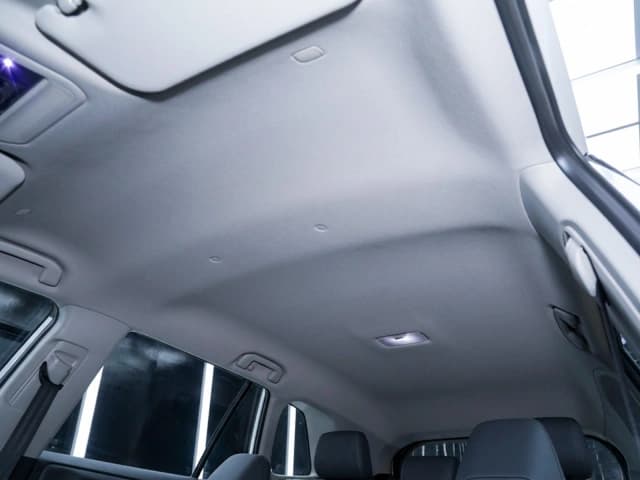
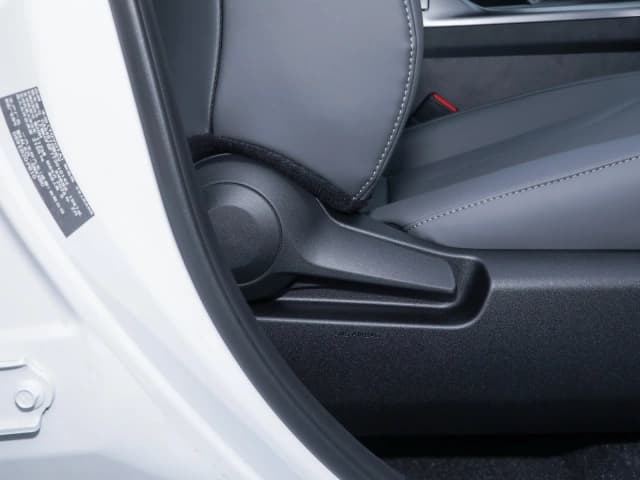
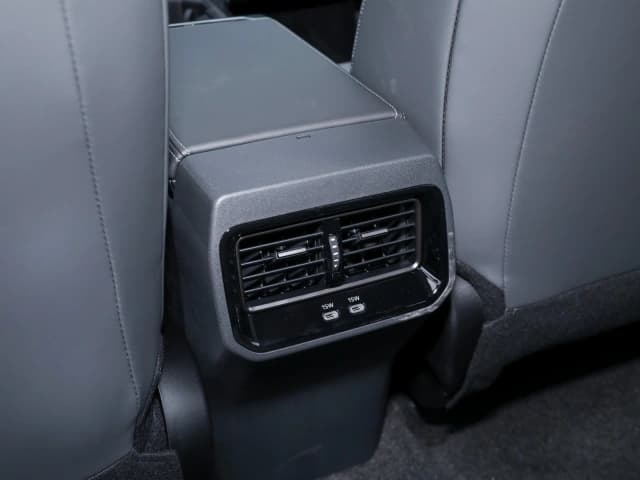
Safety and connectivity stand out. Toyota Safety Sense Level 2 includes forward collision warning, lane keeping assist, lane centering, and active braking. A 12.3-inch touchscreen integrates Apple CarPlay, Android, and HUAWEI HiCar, while the panoramic sky screen sunroof with automatic shade enhances the cabin feel. Leather and imitation leather seats are electrically adjustable with front heating; wireless phone charging, 360° rear imaging, and dual-zone climate control round out core buyer expectations at this specification level.
The 2026 Harrier appeals to fleet operators, re-exporters, and individual importers across Southeast Asia, the Middle East, and beyond who need practical five-seat capacity without the fuel penalty of larger engines. The CVT transmission's simulated 10-gear logic feels responsive during urban driving while maintaining composure on highway merges; real-world owners report the combination keeps insurance and running costs competitive. The 2.0-litre naturally aspirated engine avoids turbo complexity, meaning fewer pressure sensors and intercooler concerns—relevant for importers shipping into markets with limited Toyota dealership density.
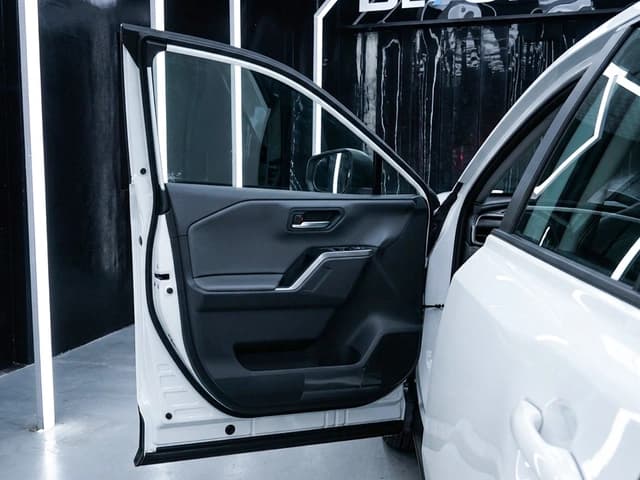
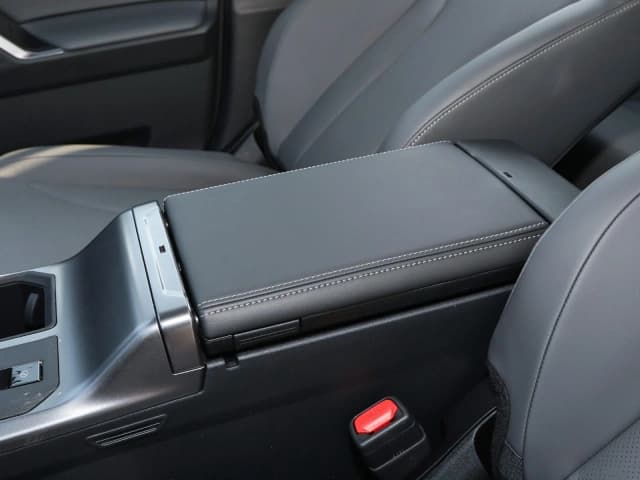
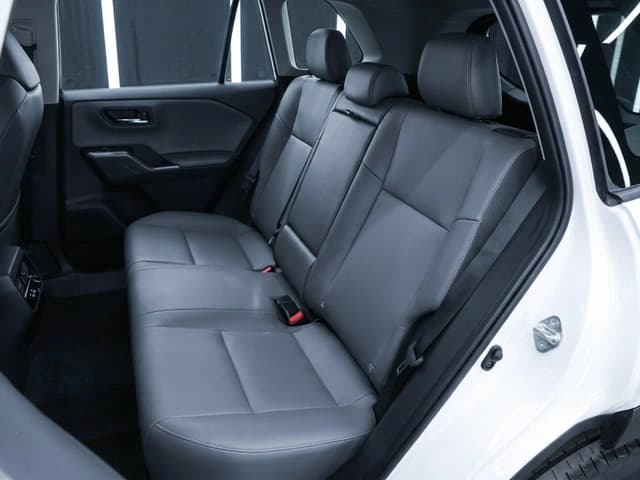
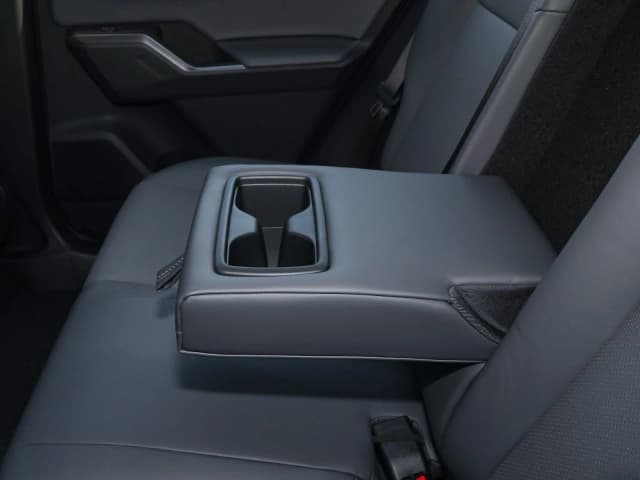
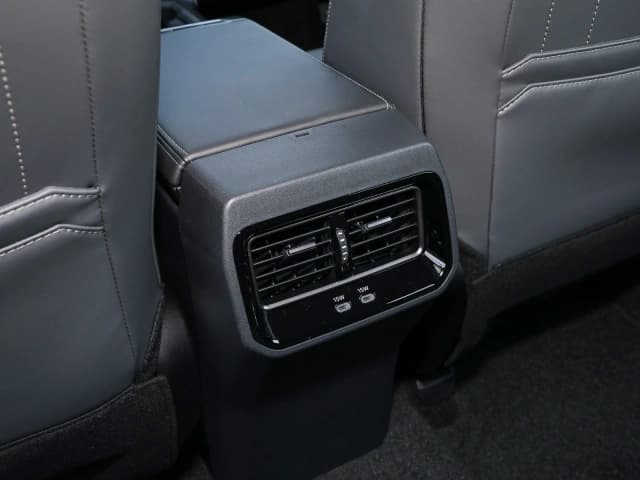
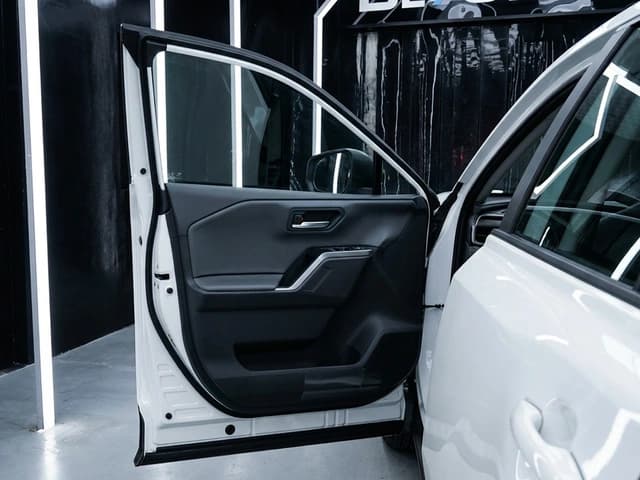
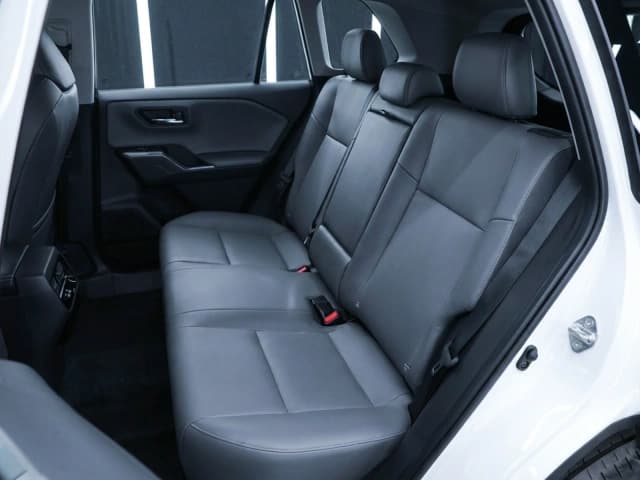
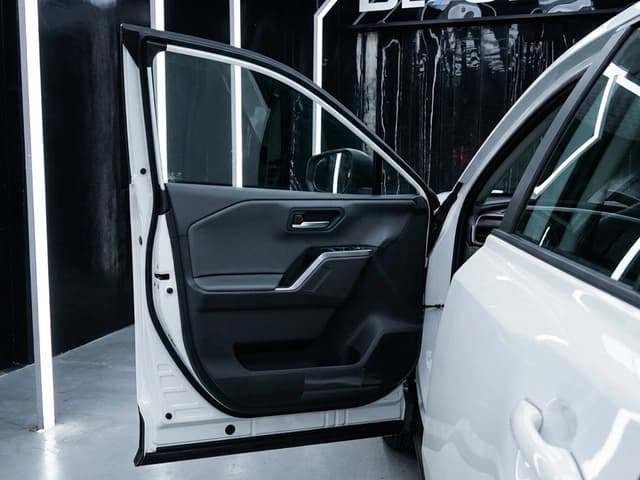
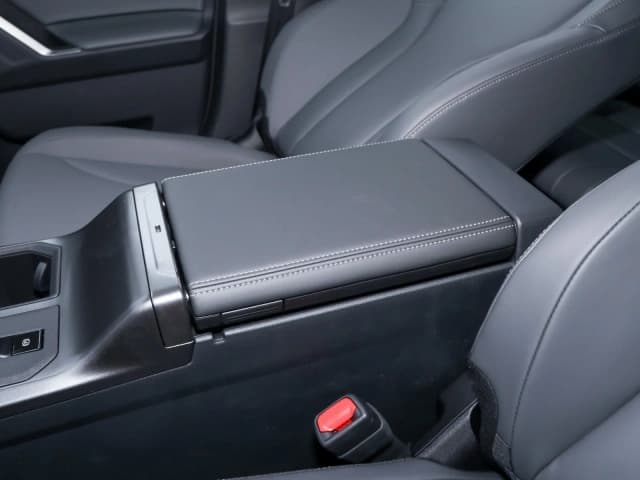
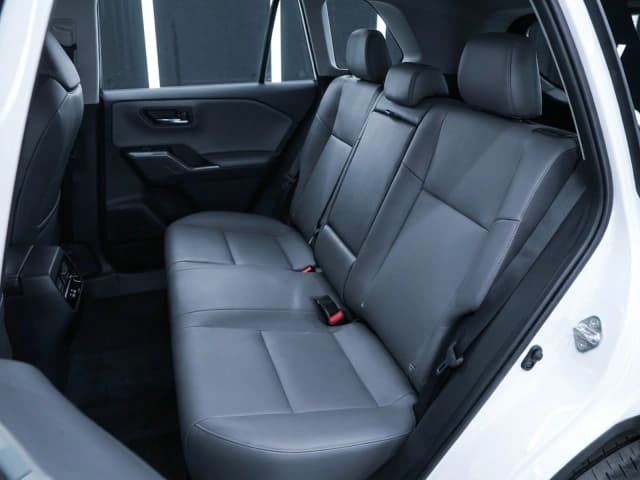
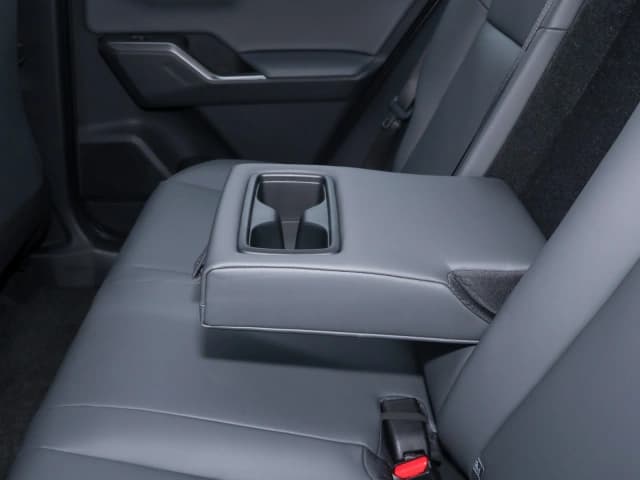
Interior comfort addresses a known buyer pain point: rear-seat legroom and seat durability. The Harrier's rear bench accommodates three passengers without shoulder-width compromise, and the genuine leather option resists UV fading better than fabric in high-heat climates (GCC, North Africa, and parts of sub-Saharan Africa). Heating for front seats caters to cooler destinations; the panoramic sunroof with motorised shade appeals to luxury-conscious buyers in Latin America and Southeast Asia without the maintenance overhead of fixed skylights.
Ownership mechanics favour steady demand across CIS and African export corridors. Electric power steering reduces alternator load compared to hydraulic systems, supporting longevity on poor-quality fuel common in emerging markets. The 360° camera and parking sensors simplify tight urban manoeuvres in congested cities, while MacPherson front and double wishbone rear suspension favour durability on potholed secondary roads. CVT maintenance requires fluid discipline, but parts availability through Toyota's regional networks remains strong—a critical factor for re-exporters managing after-sales liability.