Beyond Autos — Dubai, UAE
.webp&w=384&q=75)
2026 · SUV · Zeekr
Brand-new · Export from Jebel Ali Free Zone, Dubai
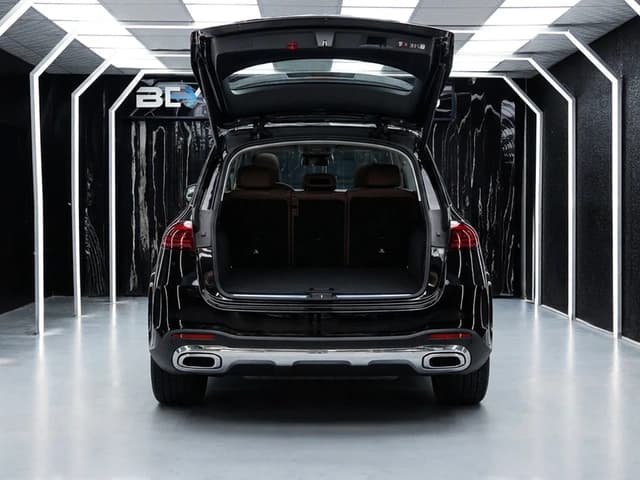
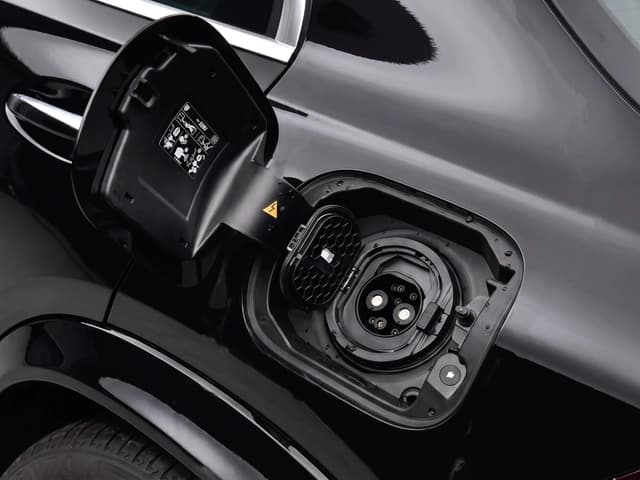
The Zeekr 9X represents a significant shift for the brand—its first plug-in hybrid combines a turbocharged 2.0L engine with three electric motors (front and rear configuration) for 1401 hp peak output and 1410 N·m torque. The 70 kWh ternary lithium battery delivers 280 km pure electric range (WLTC) plus 1000 km gasoline-extended operation, with 900V ultra-fast charging reaching 80% in 9 minutes.
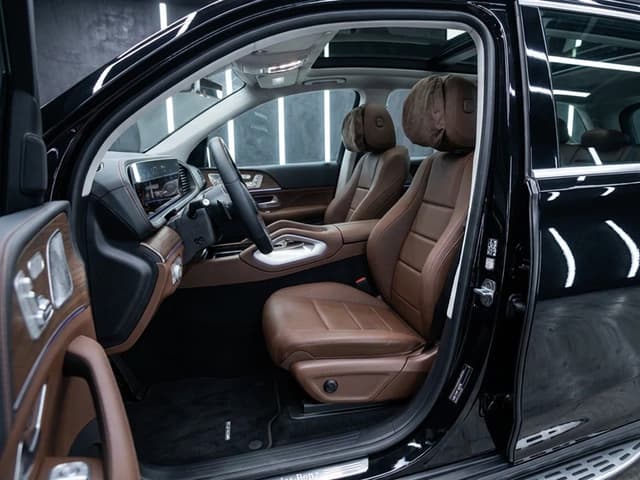
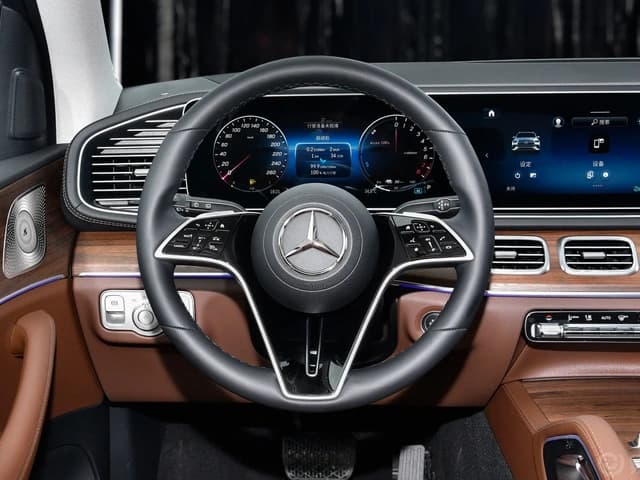
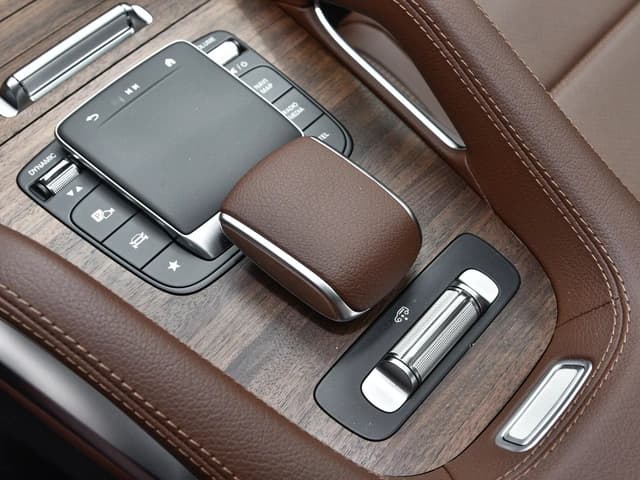
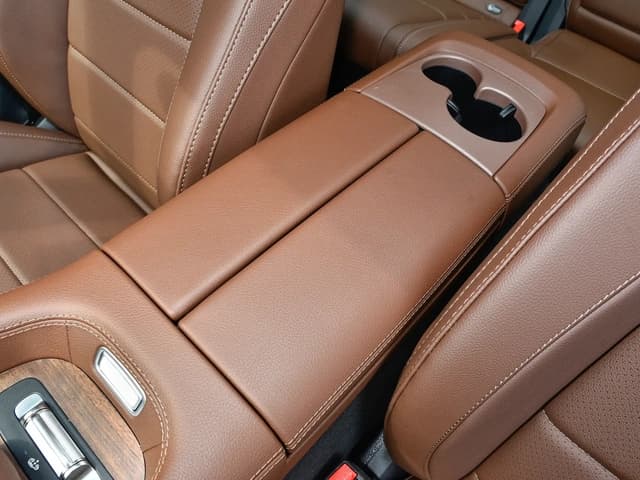
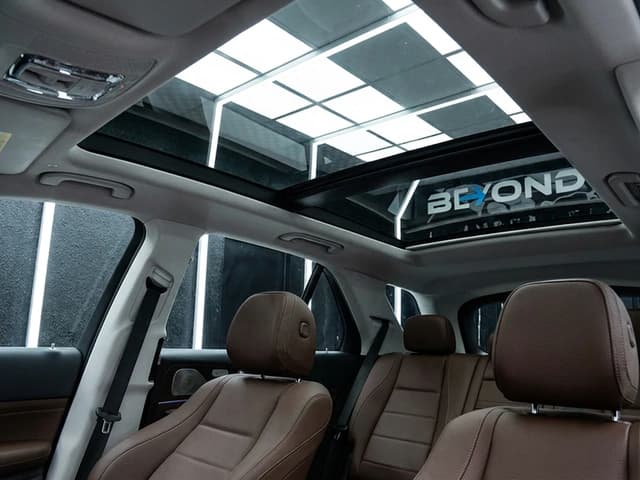
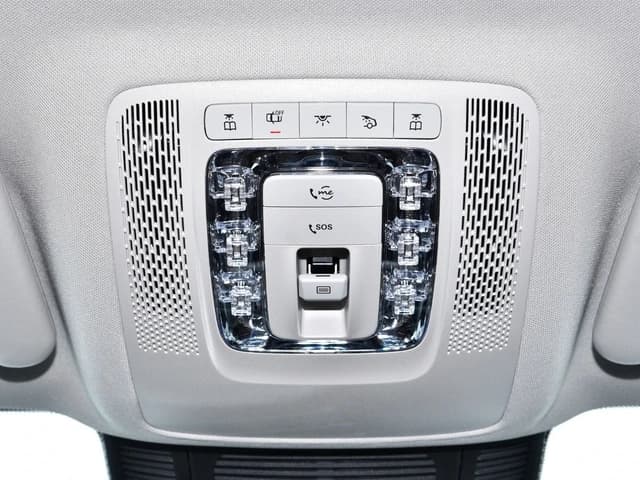
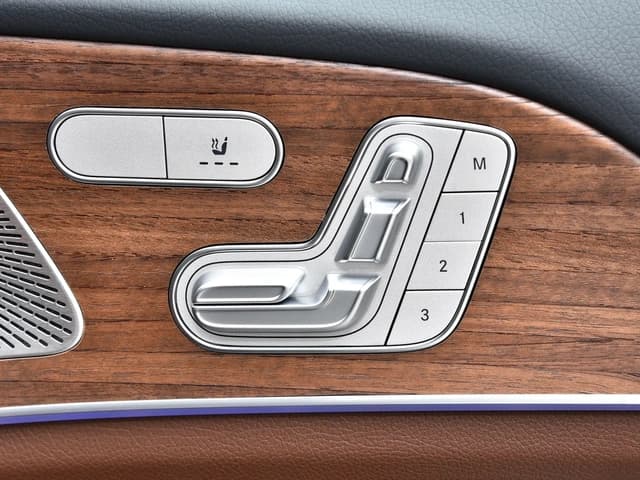
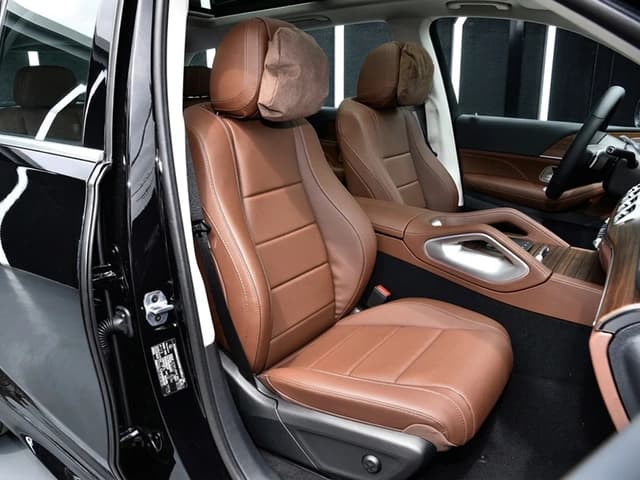
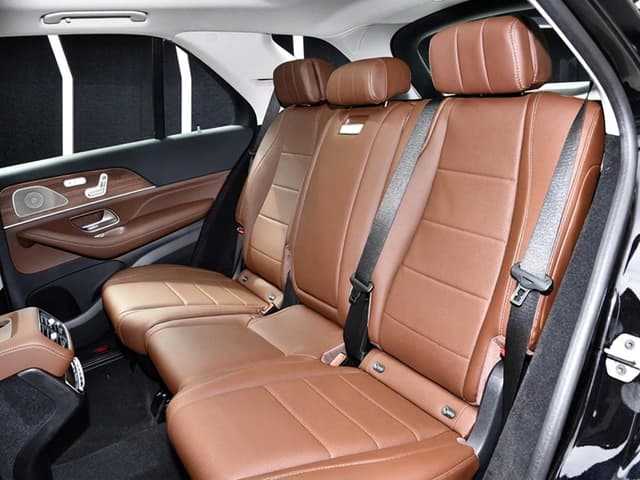
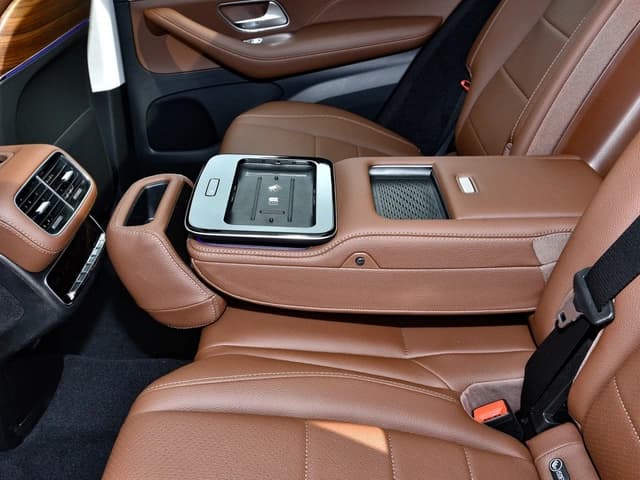
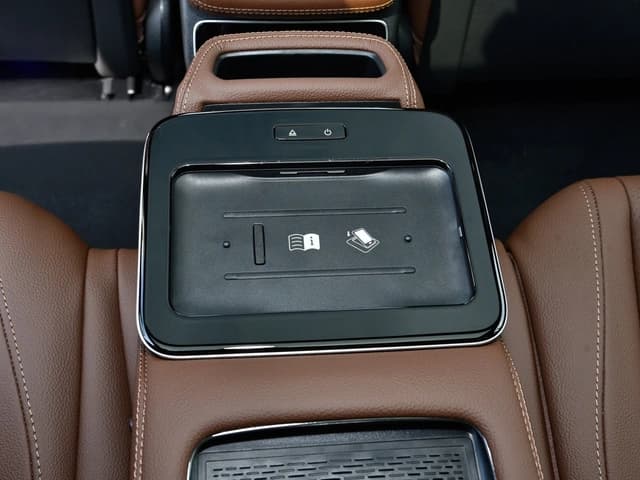
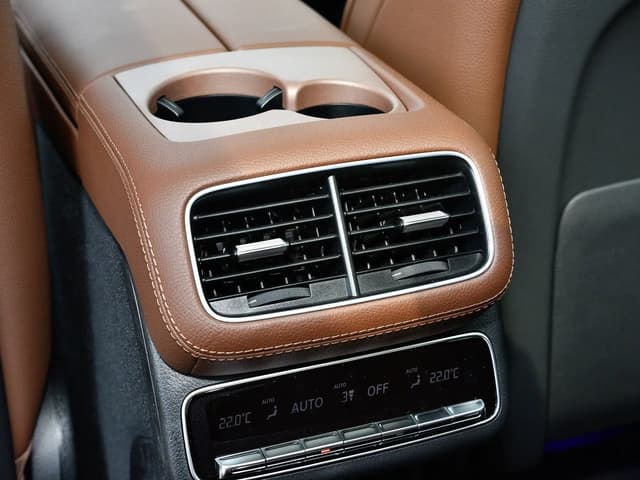
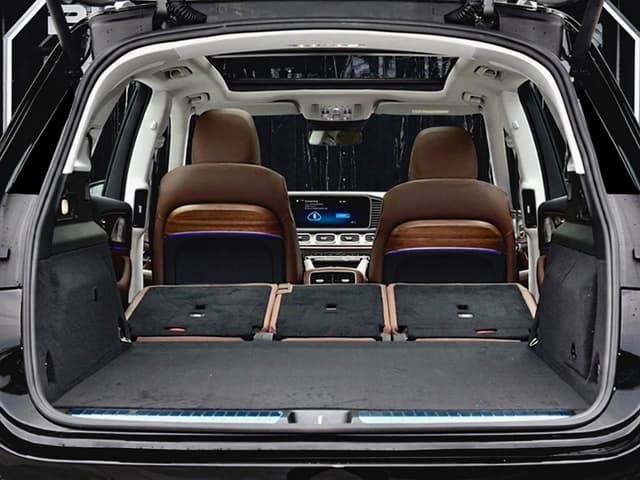
Inside, six occupants enjoy three rows of Nappa leather seating with dual 16-inch OLED displays (3.5K resolution), a 32-speaker Dolby Atmos system, and Level 2 autonomous driving powered by NVIDIA DRIVE Thor and Snapdragon processors. Dual-chamber air suspension adjusts stiffness on demand. The trade-off is typical for large three-row PHEVs: substantial curb weight means real-world efficiency requires thoughtful charging habits to unlock the electric advantage, but the torque delivery and passenger comfort justify the engineering complexity for premium market buyers.
For re-exporters and fleet operators targeting GCC, African, and Southeast Asian markets, the 9X appeals as a contemporary alternative to traditional luxury SUVs. The three-motor architecture (front single motor plus dual rear motors) enables crisp 4WD dynamics without a conventional transmission penalty—the automatic gearbox works purely with the engine, while electric motors handle low-speed torque and on-demand rear axle assistance. Acceleration from rest feels immediate; the claimed 3.1-second 0–100 km/h sprint reflects the system's 1410 N·m combined torque plateau.
The cabin engineering justifies the PHEV complexity. Facial recognition, voice control in Mandarin and English, and 5G connectivity appeal to tech-forward importers in Asia-Pacific and Latin America. The 32-speaker Dolby Atmos audio system and dual OLED touchscreens represent materiality—not decoration—for buyers accustomed to premium infotainment. Air suspension with stiffness adjustment provides genuinely different tuning for both comfort and sport modes, a feature re-exporters should highlight when targeting markets where ride quality signals quality.
Ownership considerations: the 900V architecture and dual-motor rear assembly require specialized service, meaning destination markets need qualified technicians. The 60 kW external discharge (VTOL power station mode) doubles as a practical feature for mobile teams and remote installations in regions with grid unreliability. Battery warranty depth and local parts availability vary by destination—confirm terms with end customers. Fuel-tank range ensures long-haul capability without relying solely on charging infrastructure, a material advantage in emerging markets with sparse EV charging networks.