Beyond Autos — Dubai, UAE
.webp&w=384&q=75)
2026 · SUV · Mitsubishi
Brand-new · Export from Jebel Ali Free Zone, Dubai
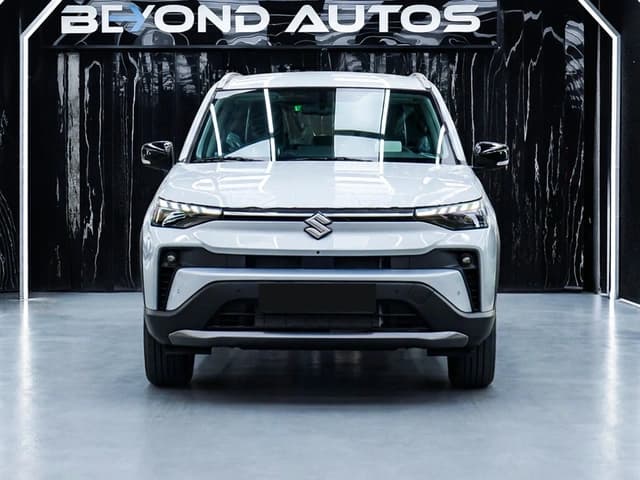
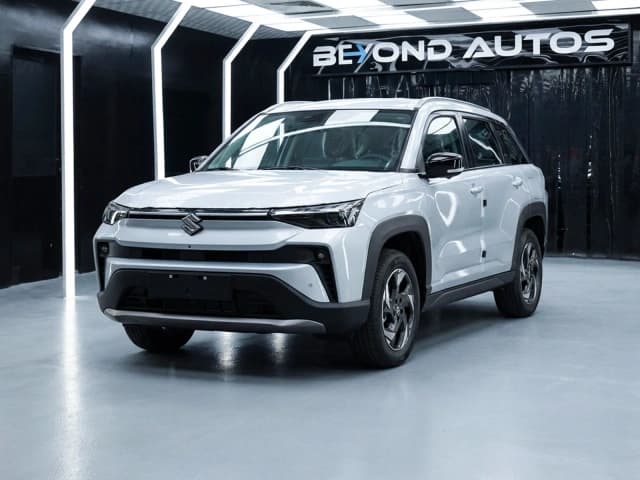
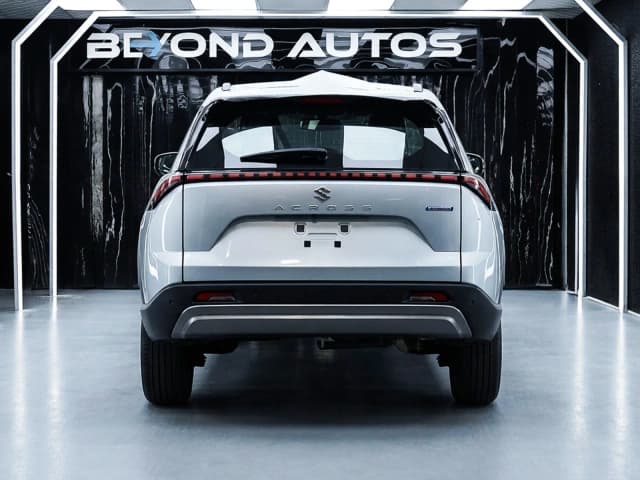
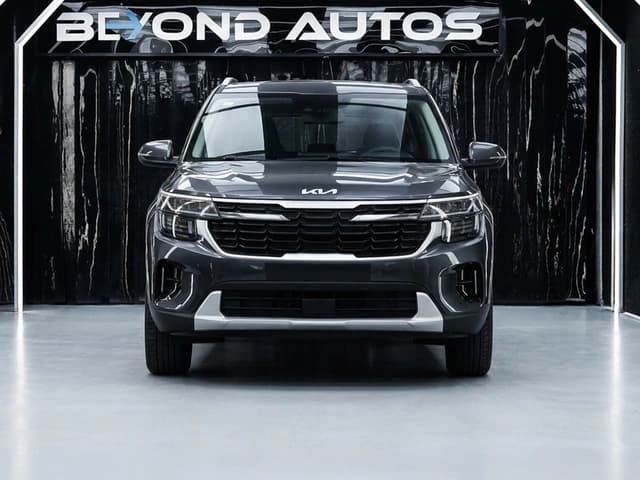
The 2026 Xpander Cross delivers genuine practicality in a seven-seat configuration, powered by a 1.5-litre DOHC MIVEC engine producing 77 kW and 141 Nm of torque through a 4-speed automatic. Ground clearance reaches 225 mm with an elevated driving position, offering confident road presence on varied terrain across GCC highways and regional roads.
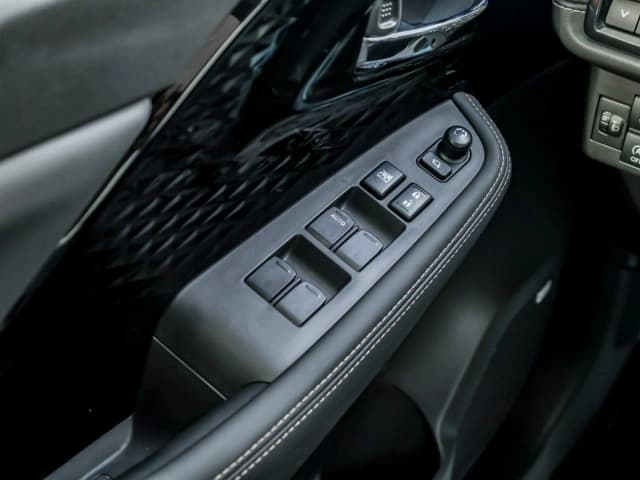
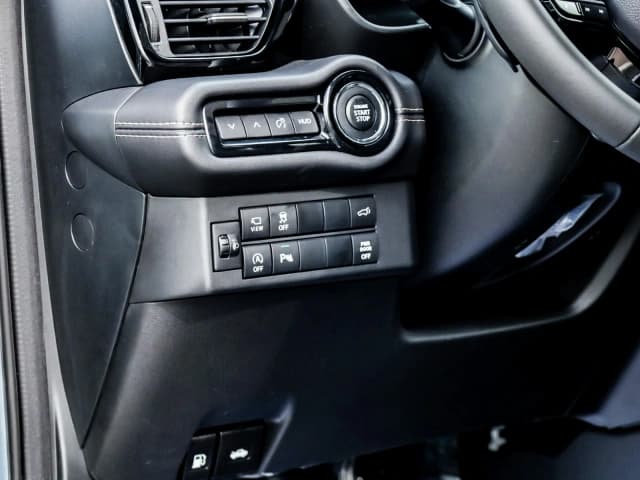
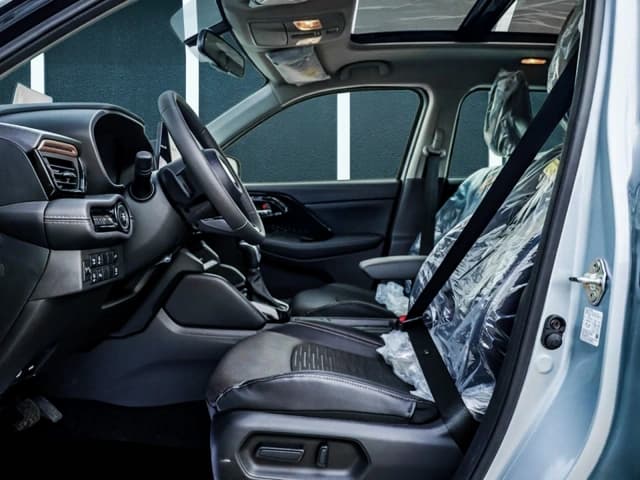
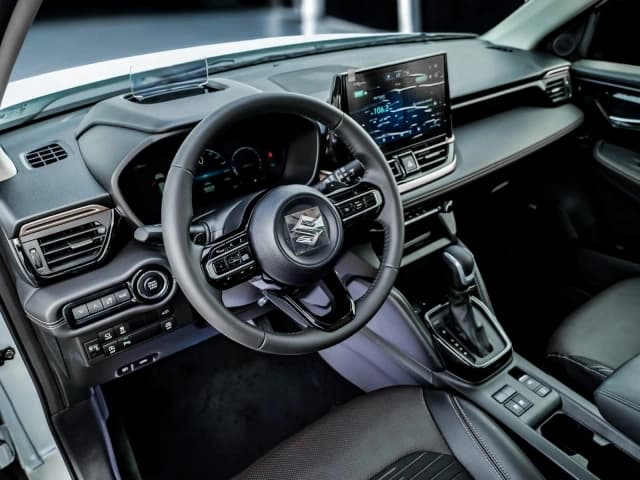
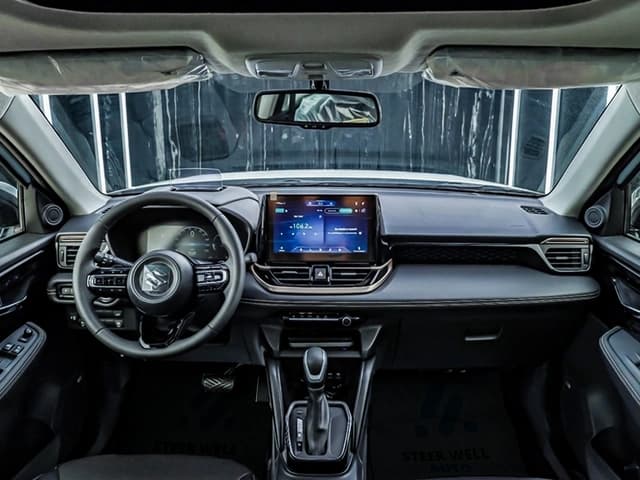
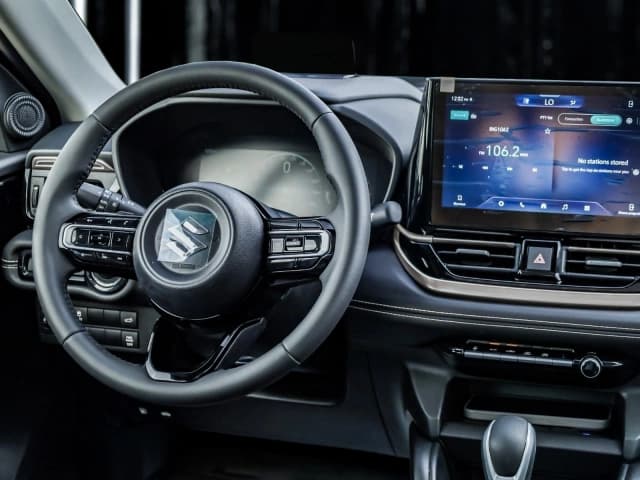
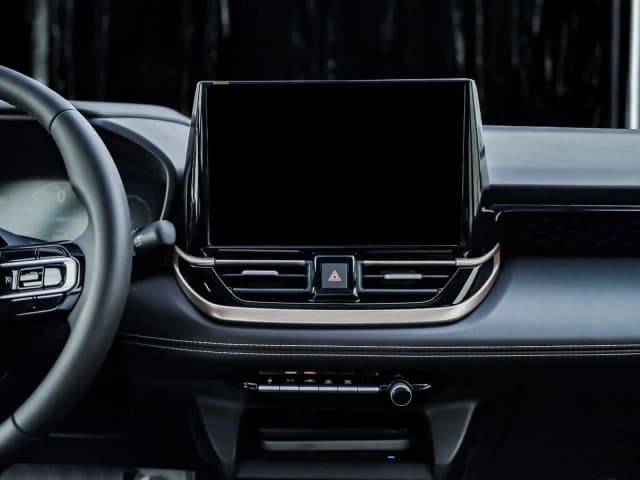
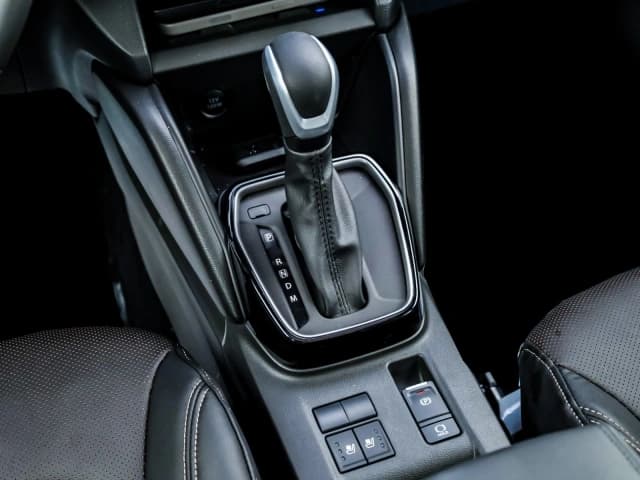
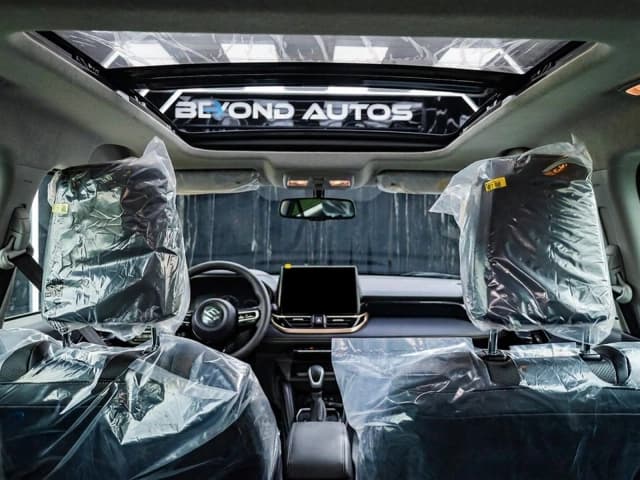
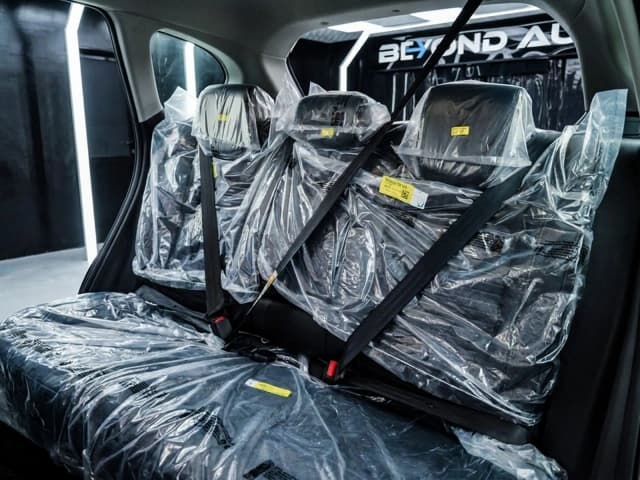
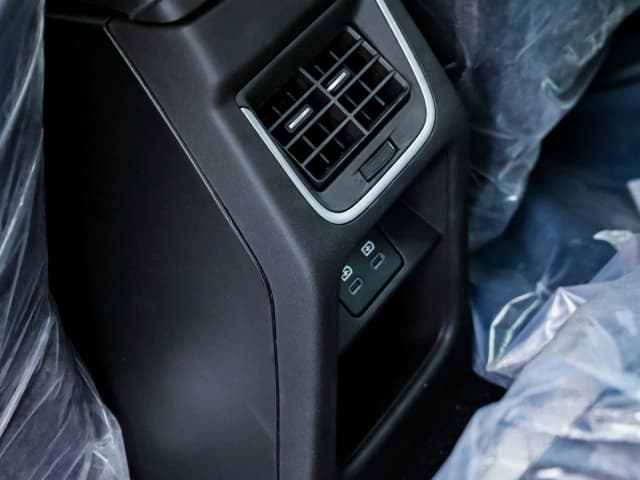
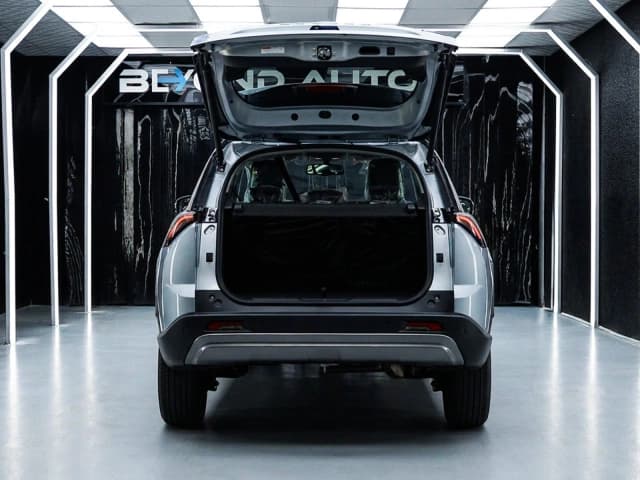
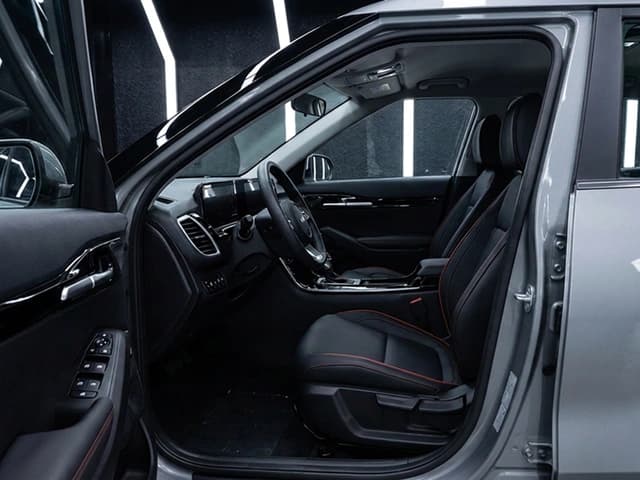
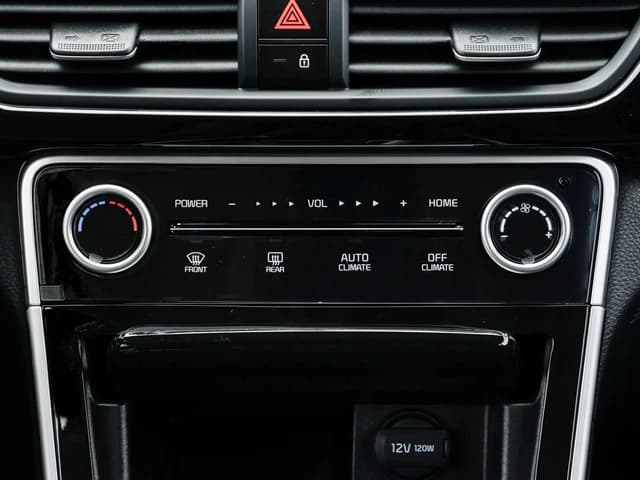
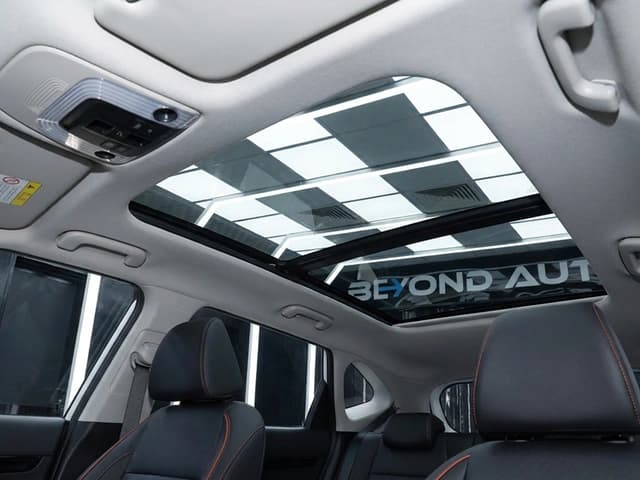
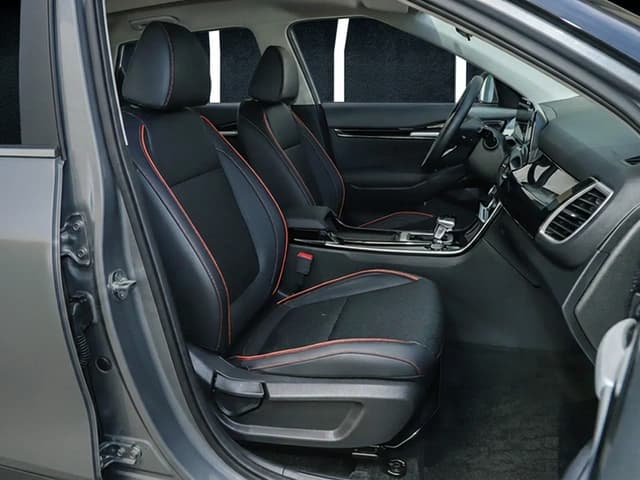
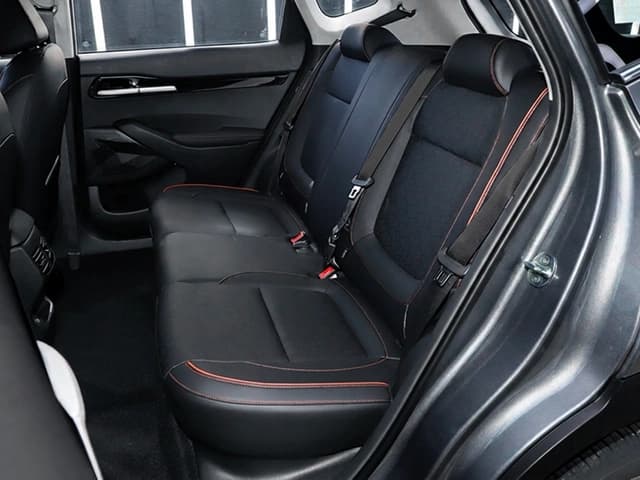
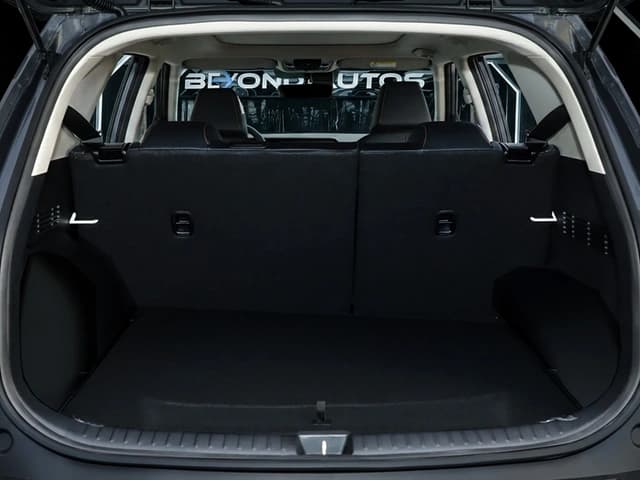
Interior flexibility is a core strength: foldable second and third rows unlock cargo space when seats fold, while digital climate control, smartphone-link display audio, and cruise control serve daily commute needs. The safety architecture includes six SRS airbags, ABS, ASC, AYC, and hillstart assist—systems that matter for fleet operators and individual importers moving vehicles into Africa and CIS markets.
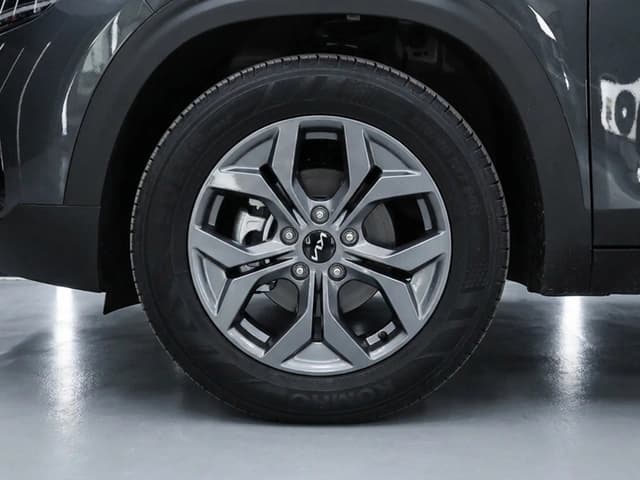
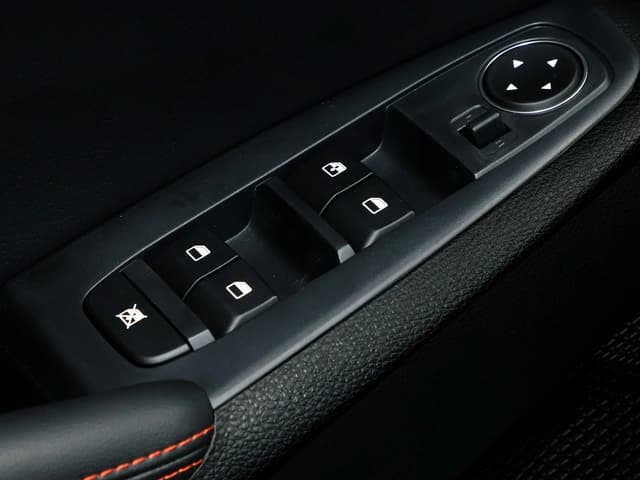
Fuel economy runs 14–15 km/L on highway cycles, a realistic figure reflective of the four-speed transmission and seven-seat weight. LED headlights, 17-inch alloy wheels, and leather-wrapped controls round out the High Line specification without excessive trim cost.
The Xpander Cross targets re-exporters and individual buyers importing into markets where seven-seat capacity and straightforward mechanical design command premium demand. The 1.5-litre petrol engine is inherently simple: low service complexity, widely available parts pipelines across Africa, Asia-Pacific, and CIS regions, and no turbo or hybrid complexity to navigate in less developed dealer networks. Torque peaks at mid-range rpm, making the vehicle predictable in city traffic and on longer regional hauls without demanding premium fuel.
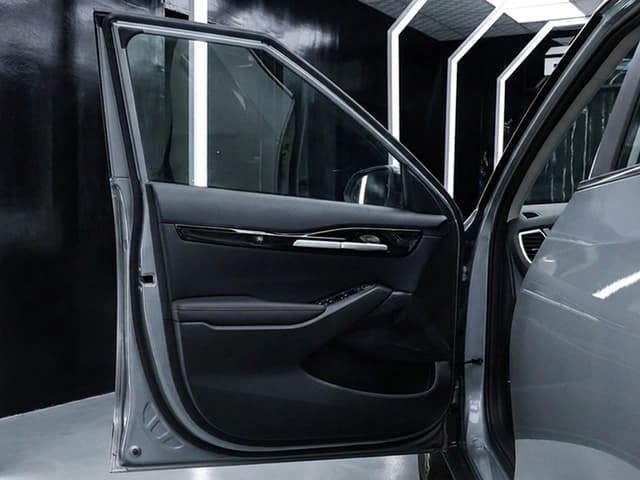
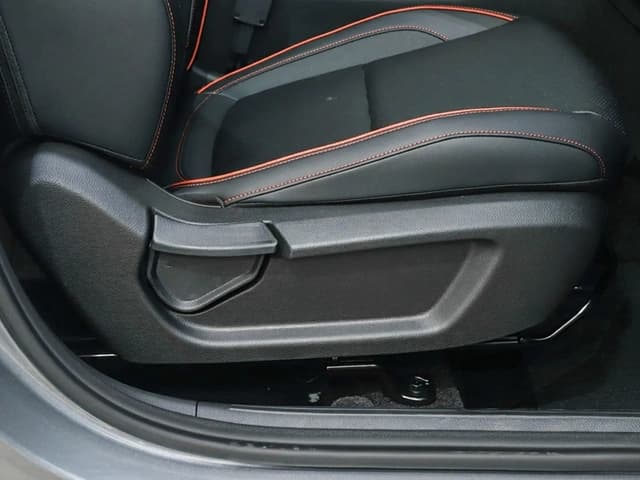
Interior comfort relies on a reinforced suspension architecture and high-performance shock absorbers that absorb road imperfections—a practical advantage for buyers routing vehicles through less-than-perfect road networks. The flexible seating arrangement—particularly the foldable third row—addresses a real trade-off: seven-seat capacity when needed, convertible cargo space when passengers drop. Climate control and smartphone-link audio are no longer premium luxuries but expected in the High Line segment, especially for fleet buyers operating across multiple climate zones.
Ownership considerations centre on transmission reliability: the 4-speed automatic is proven across Mitsubishi's Southeast Asian portfolio, but it trades some fuel economy efficiency against straightforward torque delivery and low maintenance cost. The RISE body structure and multi-axis stability control (AYC) provide confidence for buyers in developing markets where road conditions vary widely. Chrome accents and LED lighting are aesthetic choices that appeal to importers stocking vehicles for markets where visual differentiation matters at competitive price points.
For beyond-warranty ownership in distant markets, the absence of advanced electronics-heavy systems works in your favour. Parts interchange compatibility with other Mitsubishi platforms in your destination market is likely, reducing downtime and cost across fleet operations or resale chains.