Beyond Autos — Dubai, UAE
.webp&w=384&q=75)
Export Toyota bZ4X to Ghana
Buyer perspective: Toyota bZ4X in Ghana.
The prose below is AI-drafted from live export feedback and editorially reviewed before publishing. All reliability and ownership notes are specific to Ghana conditions.
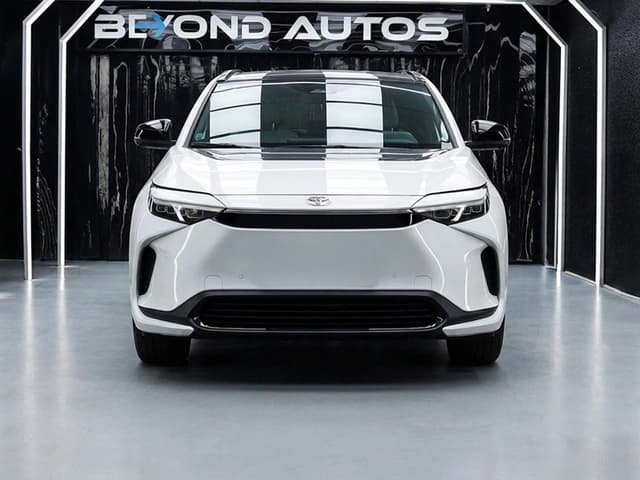
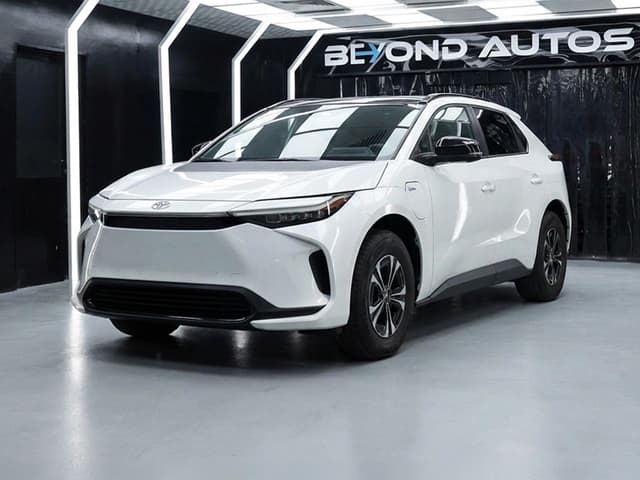
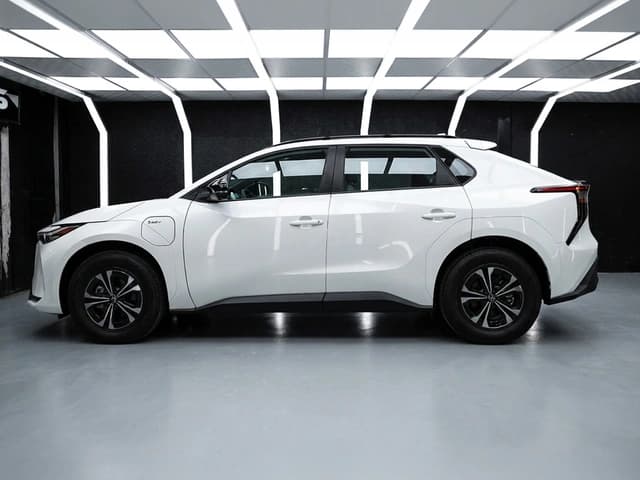
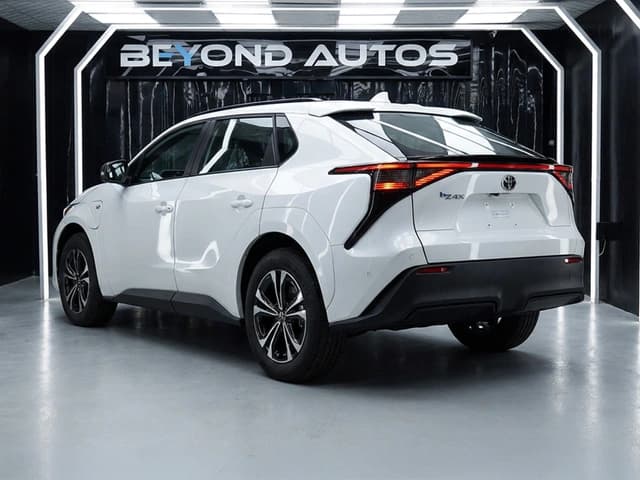
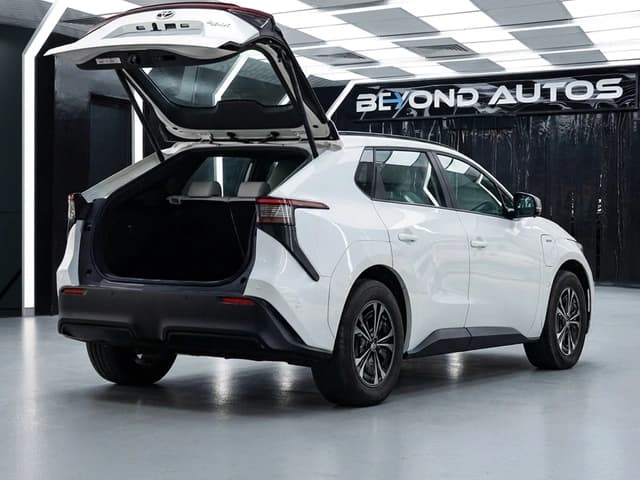
The bZ4X is engineered as a practical urban crossover. It delivers responsive handling in tight Accra traffic, with a tight turning radius and composed steering that makes parking and navigating congested streets straightforward. The compact footprint sits between a hatchback and a traditional SUV, so it doesn't demand the road presence of larger vehicles.
Acceleration is immediate—electric motors produce full torque from standstill, which translates to confident merging and quick getaways at traffic lights. Running costs are dramatically lower than petrol equivalents: no oil changes, no spark plugs, and electricity is substantially cheaper per kilometer than fuel across West Africa. For buyers with predictable daily routes under 300 km, the math is compelling.
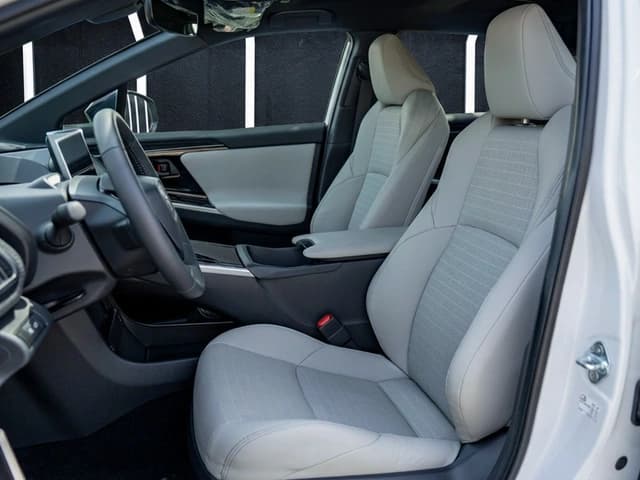
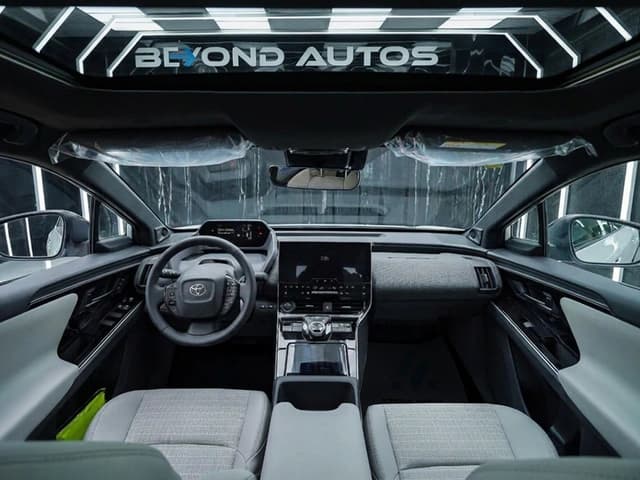
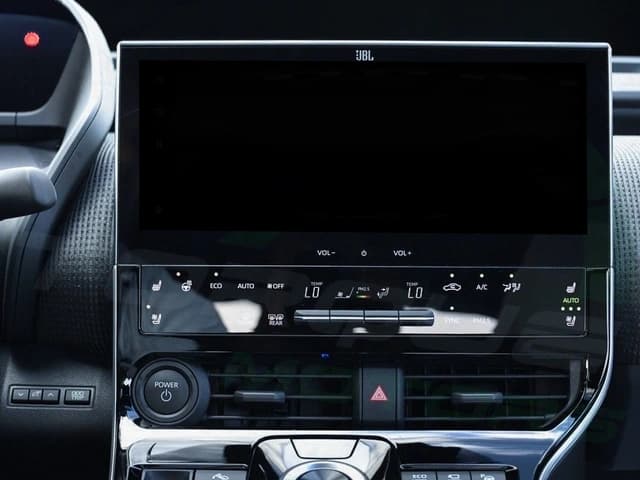
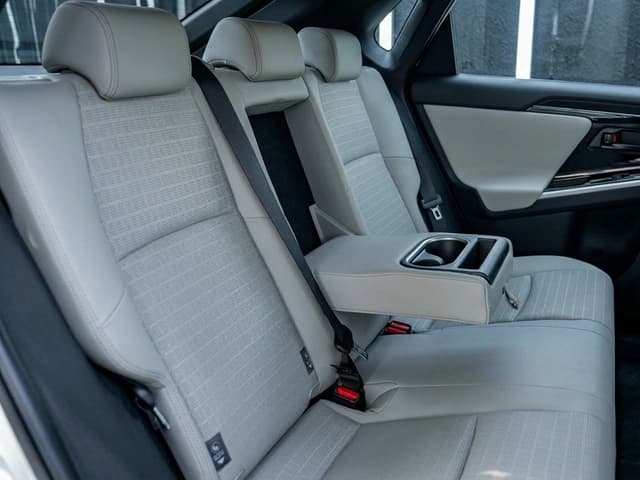
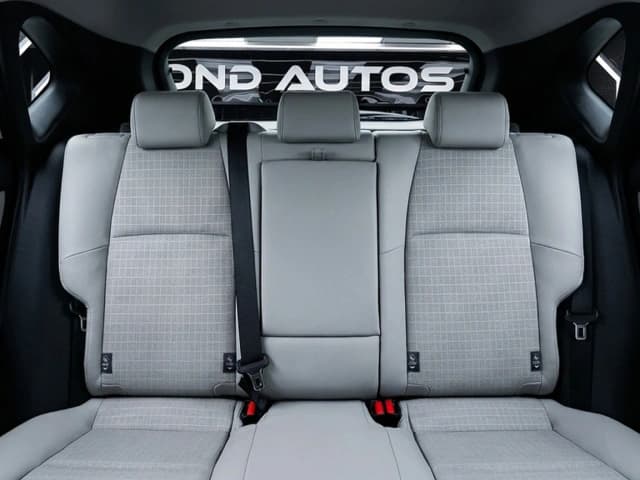
The cabin is quiet and refinement is high. Climate control works efficiently, which matters in Ghana's heat. Build quality reflects Toyota's reputation; the bZ4X shares platform DNA with Subaru's Solterra, so parts and engineering are proven.
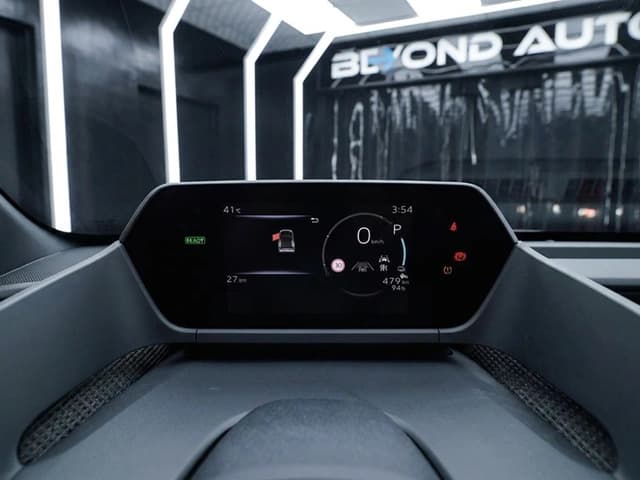
Range anxiety is real in Ghana. The bZ4X maxes out around 252 miles (405 km) in ideal conditions; real-world range in tropical heat drops closer to 220–250 km. Ghana lacks a public charging network outside Accra. Home charging requires a reliable 230V supply and installation cost—not trivial in many areas. Road trips beyond the Accra region become logistically difficult without a second vehicle or access to a petrol backup.
Import duty on EVs into Ghana is substantial, adding significant cost to the landed price. Service infrastructure for electric vehicles remains thin; most Toyota dealers lack EV-specific diagnostic equipment and training. Tire wear is faster than petrol equivalents due to instant torque and regenerative braking patterns.
Yes, but conditionally. If you live in or near Accra, have reliable home charging, and drive mostly within the metro area, the bZ4X makes sense. It excels on daily commutes to the airport, business district, or surrounding suburbs. Operating cost savings offset the higher import price over 5–7 years of urban use.
For buyers outside major cities, or those needing regular long-distance travel, a conventional petrol SUV remains more practical. Ghana's road infrastructure and charging reality favor electric vehicles that are secondary household transport rather than primary long-haul vehicles. The bZ4X is that vehicle—efficient, reliable, and ideally suited to Accra's congestion and climate.