Beyond Autos — Dubai, UAE
.webp&w=384&q=75)
2026 · SUV · Jetour
Brand-new · Export from Jebel Ali Free Zone, Dubai
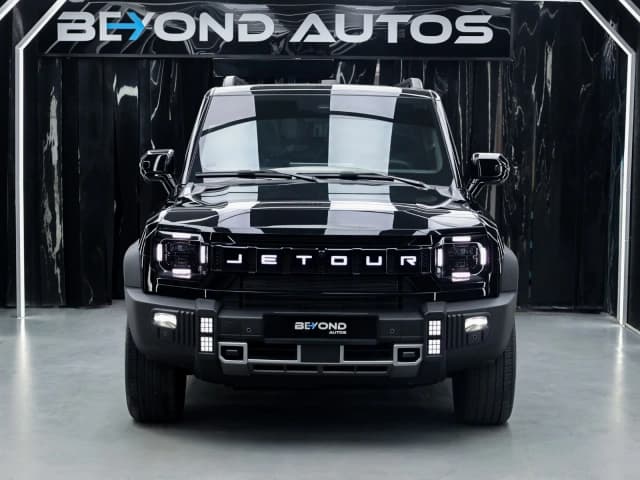
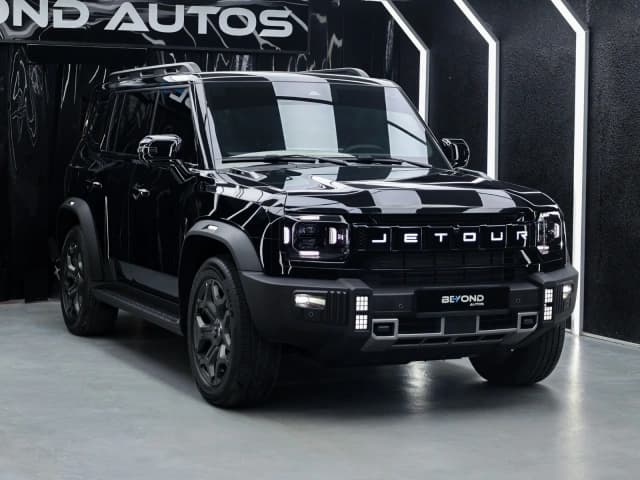
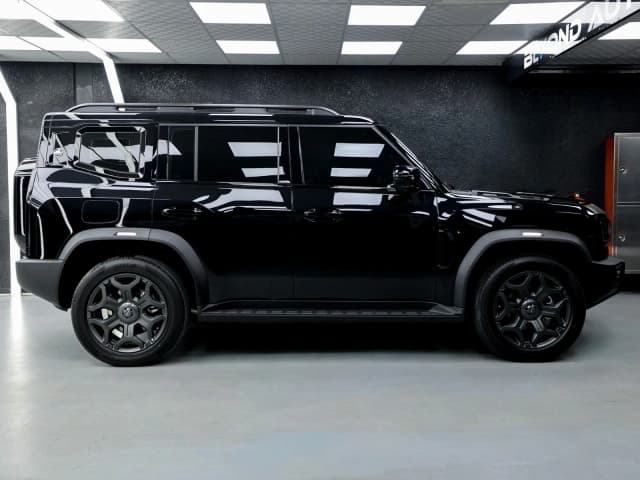
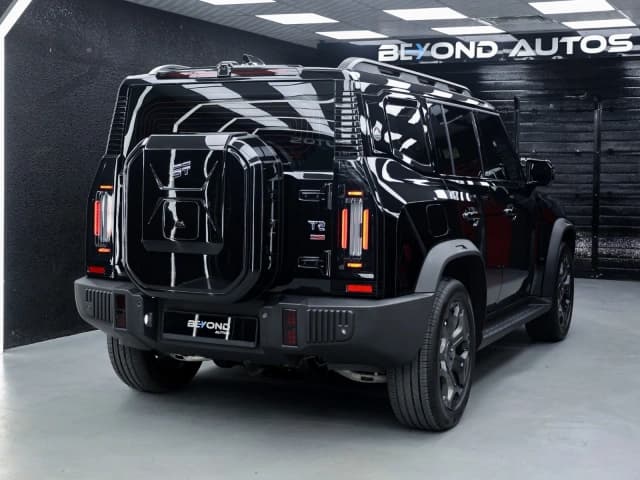
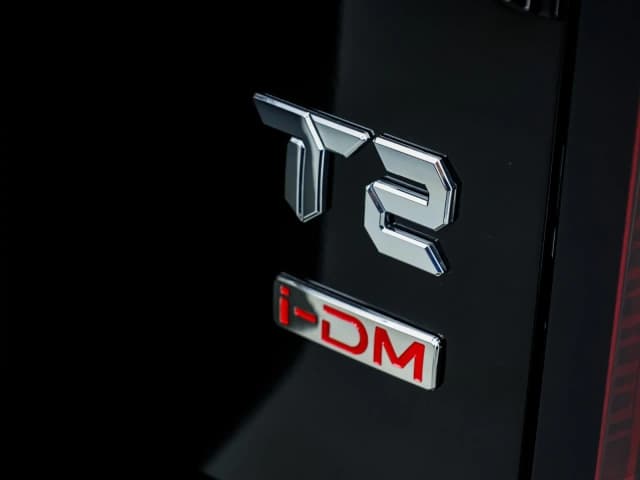
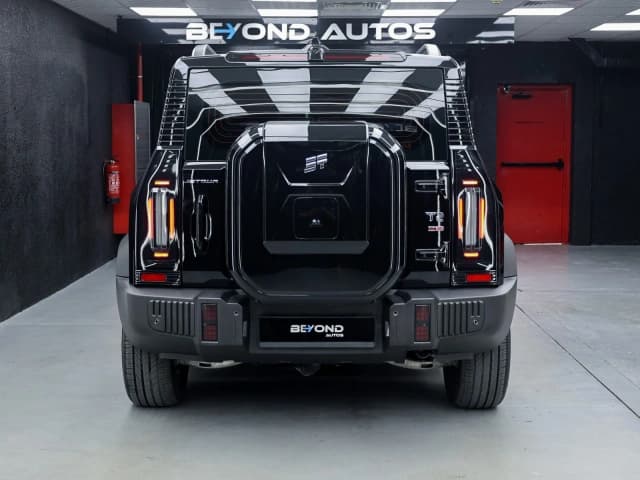
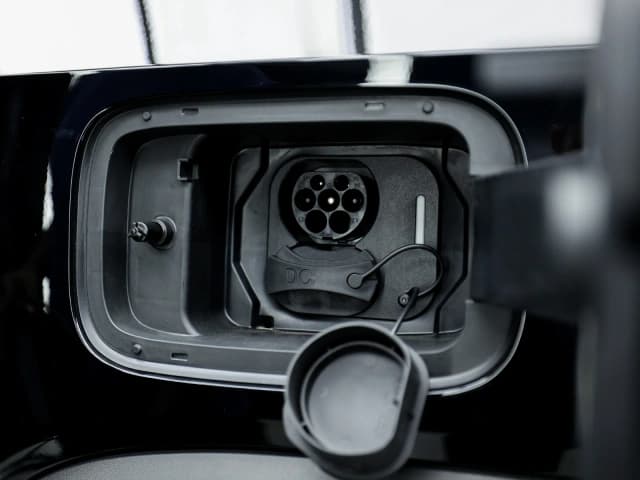
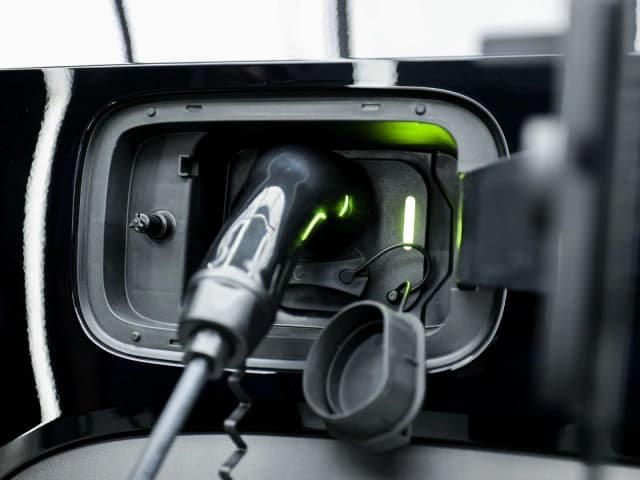
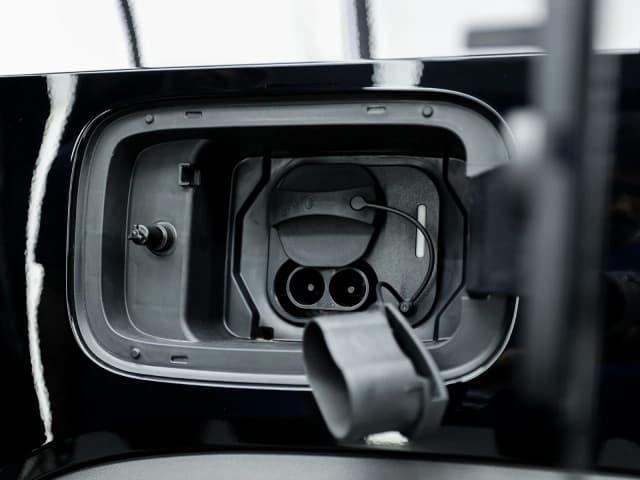
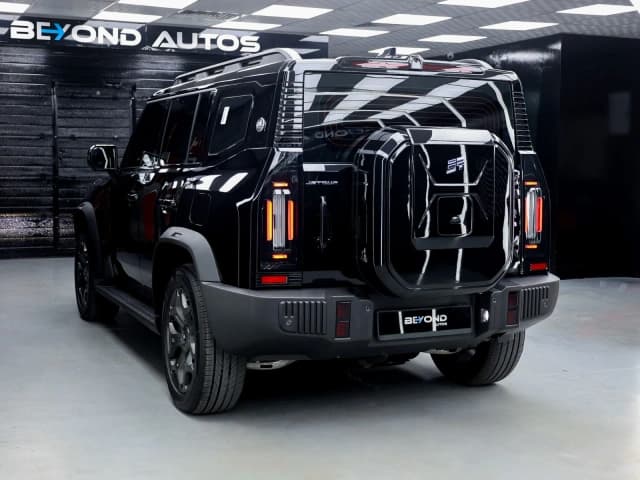
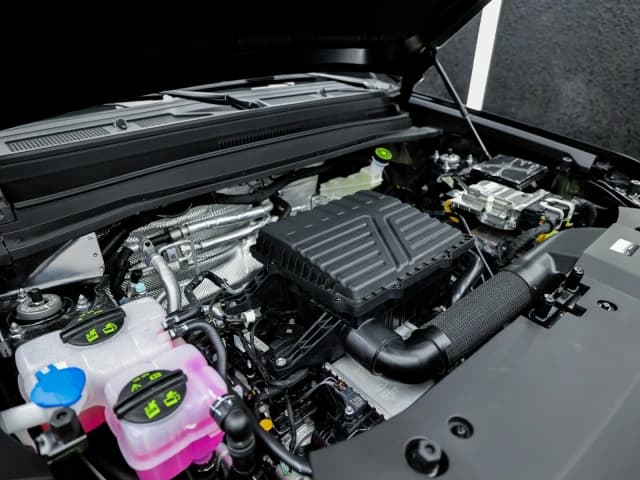
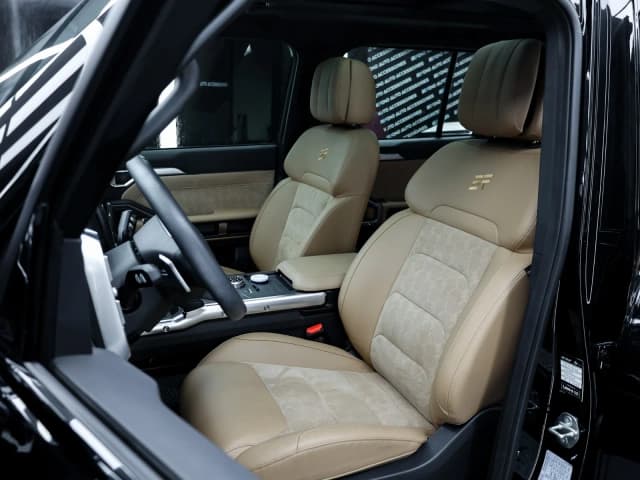
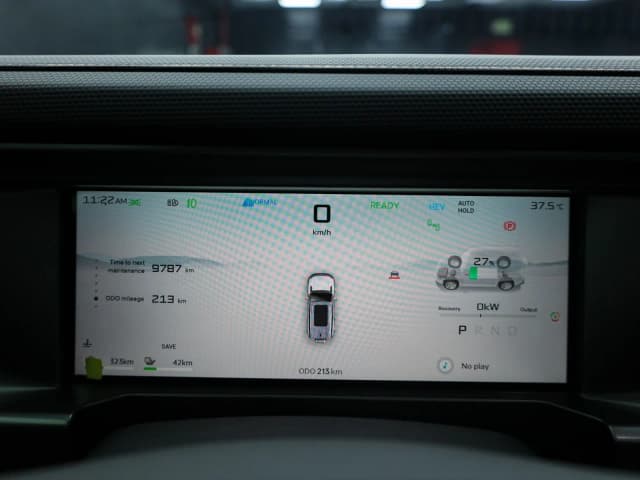
The Jetour T2 Forest Edition is a plug-in hybrid compact SUV designed for global markets where fuel efficiency and electric capability matter equally. The 1.5L turbocharged engine pairs with dual electric motors and a 26.7 kWh LFP battery to produce 381 horsepower and 610 Nm of torque, while offering 129 km CLTC or 100 km WLTC pure electric range. Fast charging reaches 30–80% in 30 minutes; slow charging takes four hours. The DHT (Dedicated Hybrid Transmission) optimizes power delivery across city, highway, and off-grid driving modes.
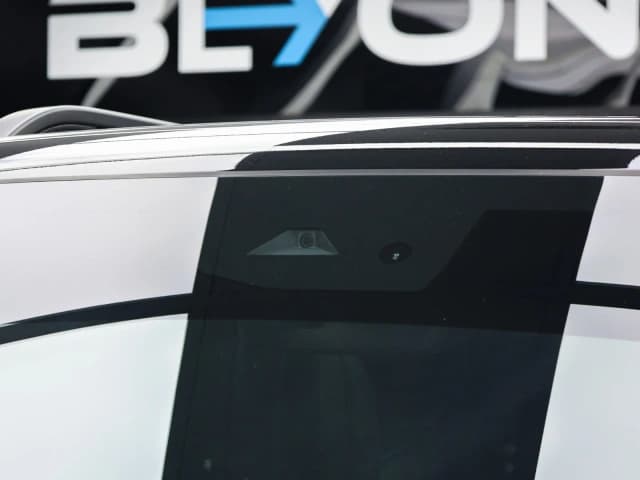
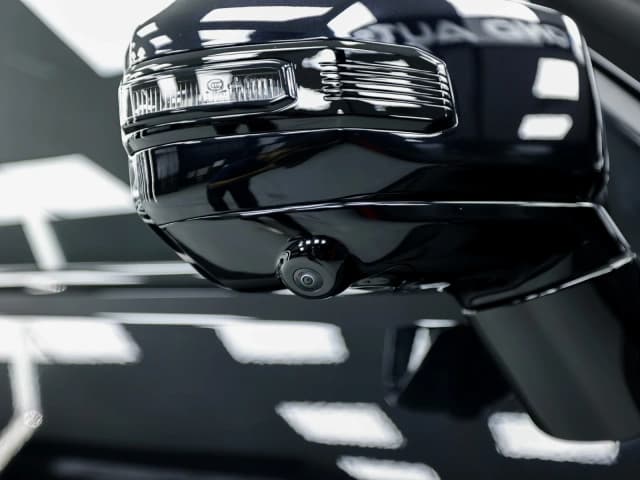
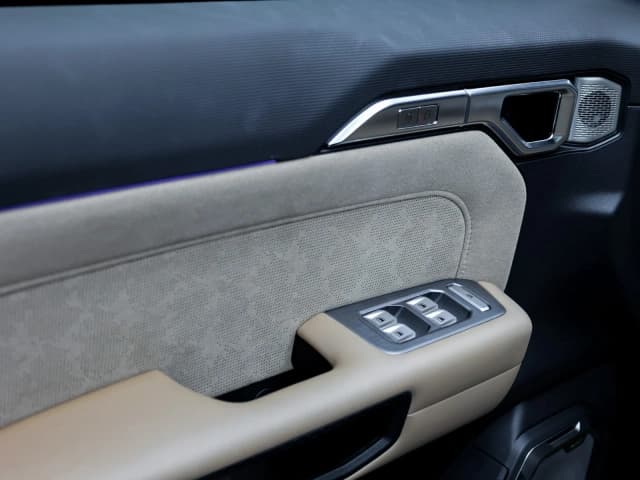
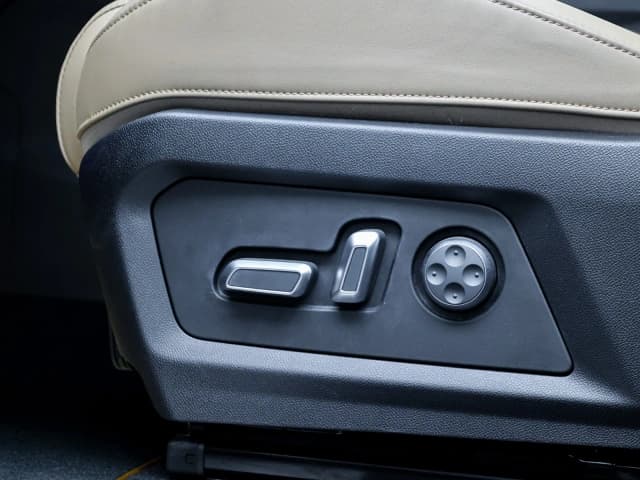
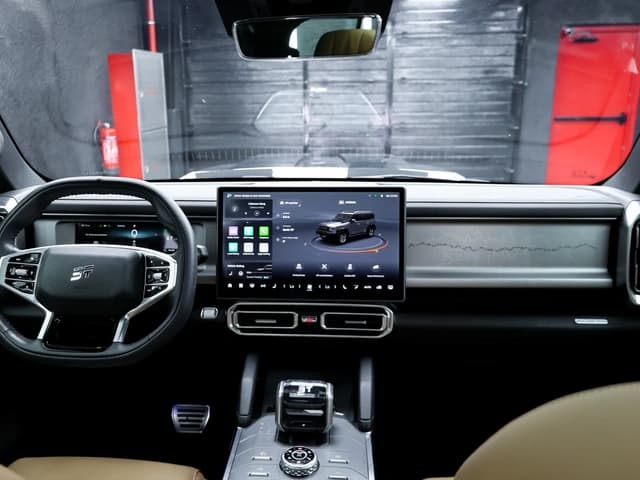
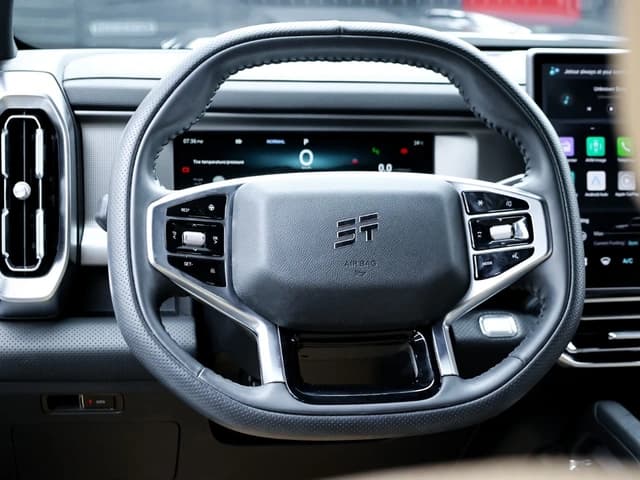
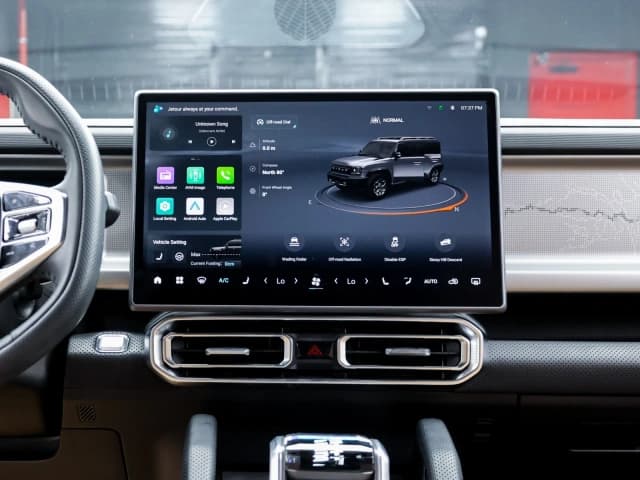
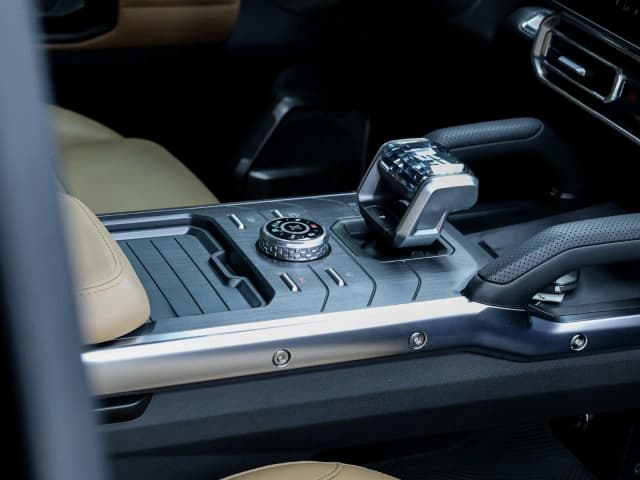
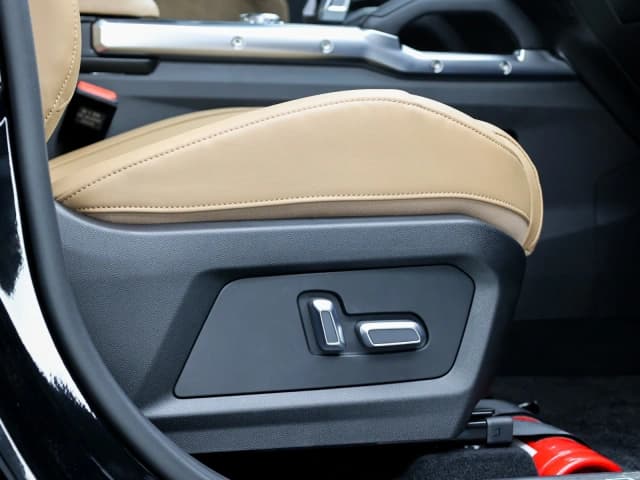
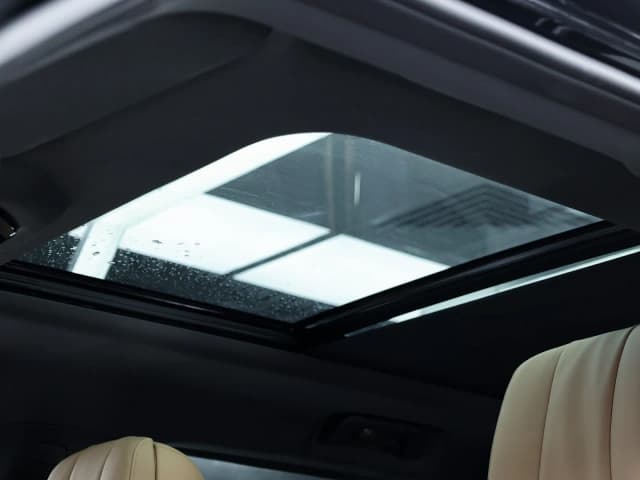
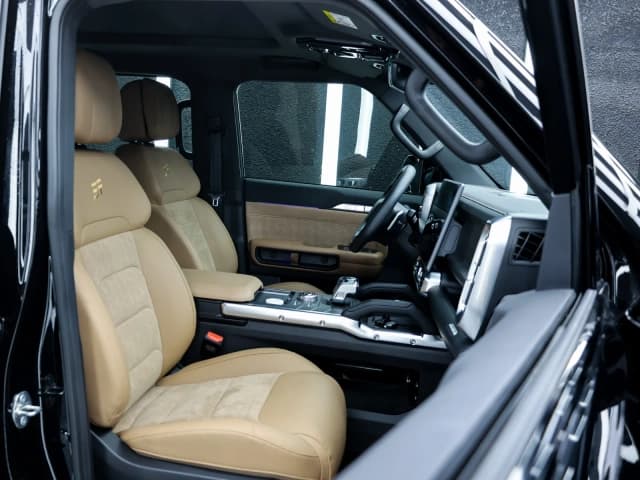
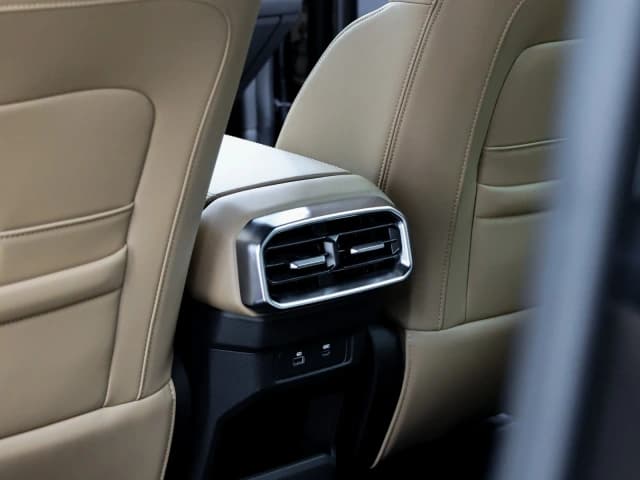
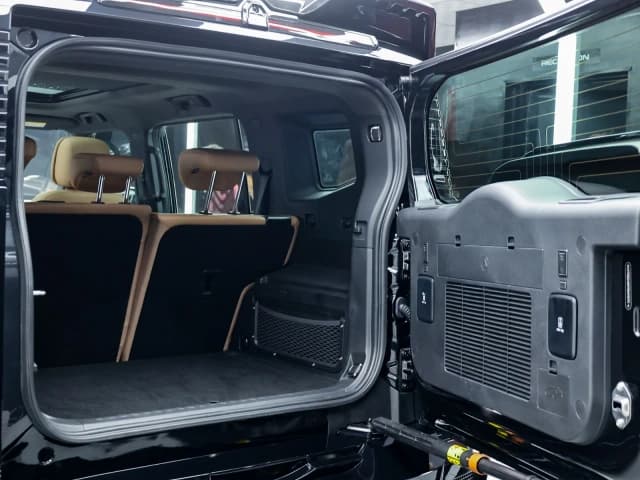
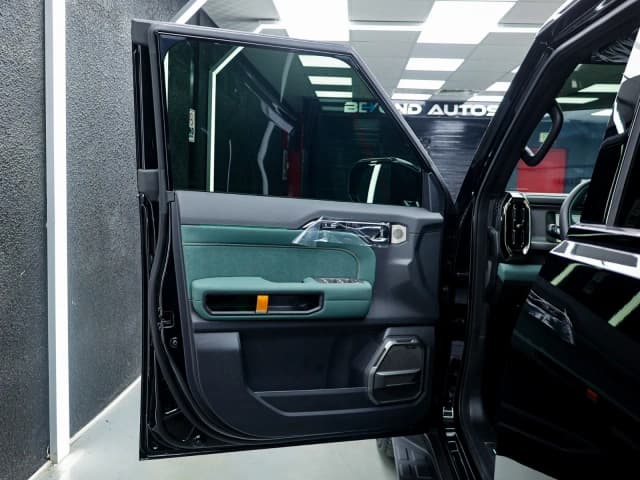
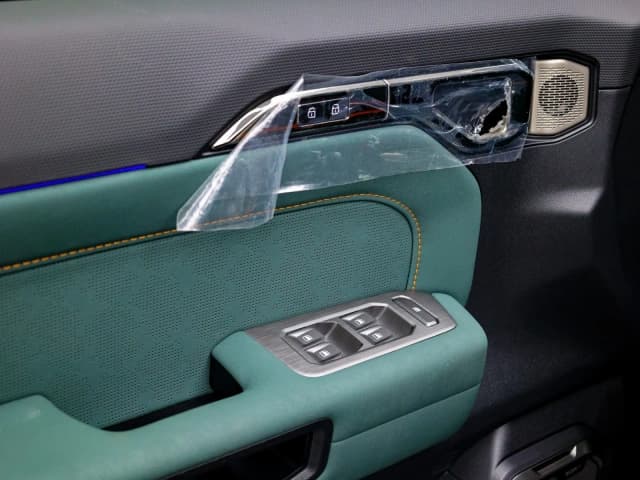
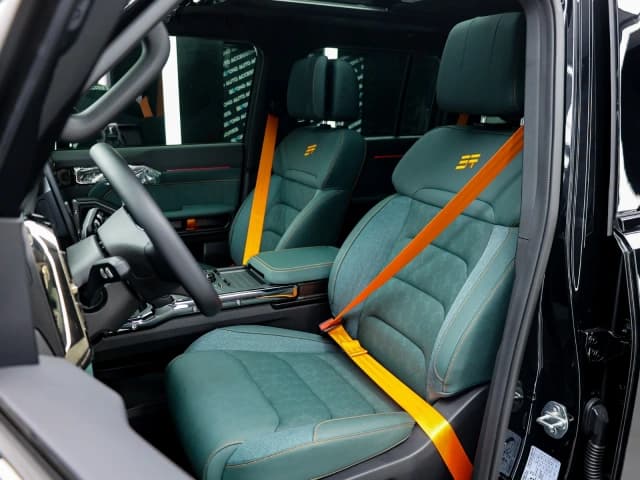
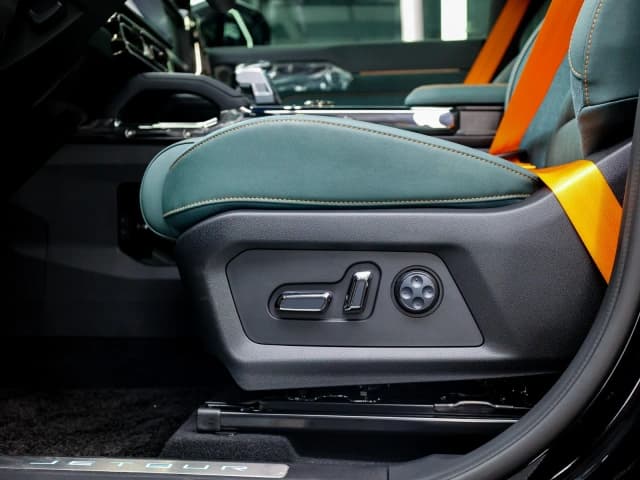
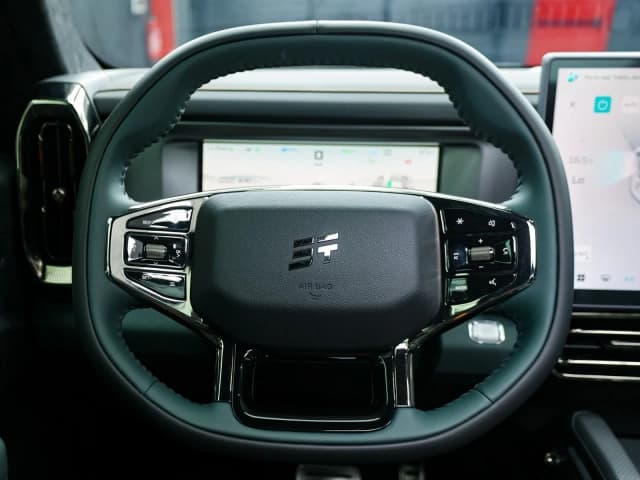
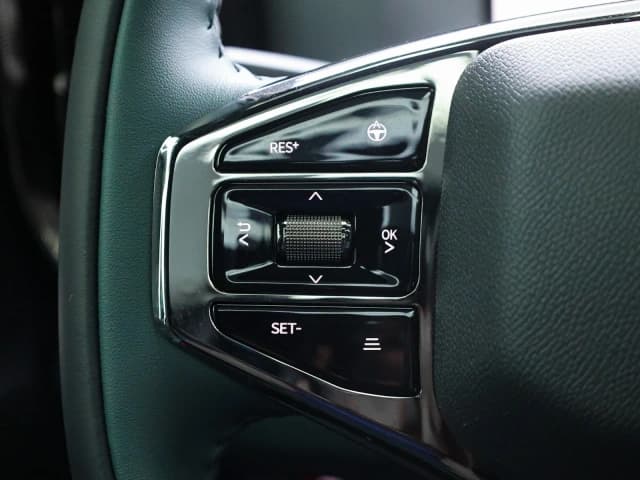
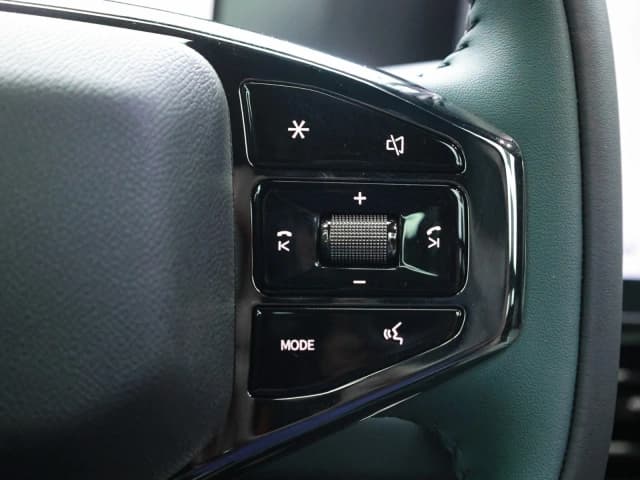
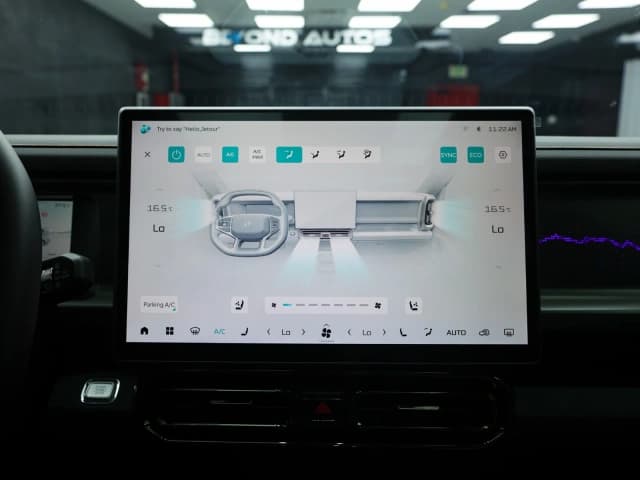
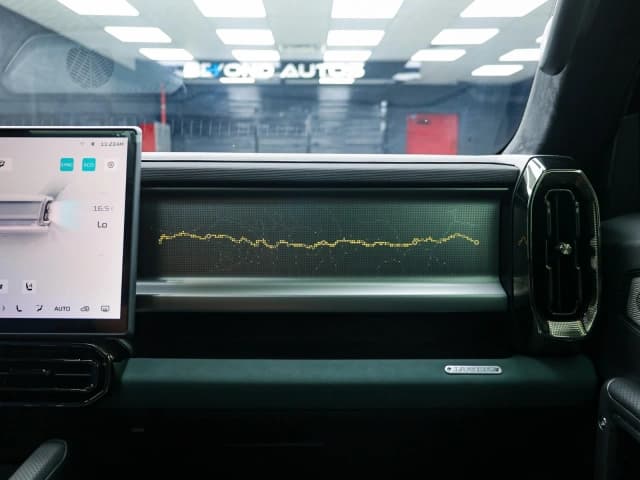
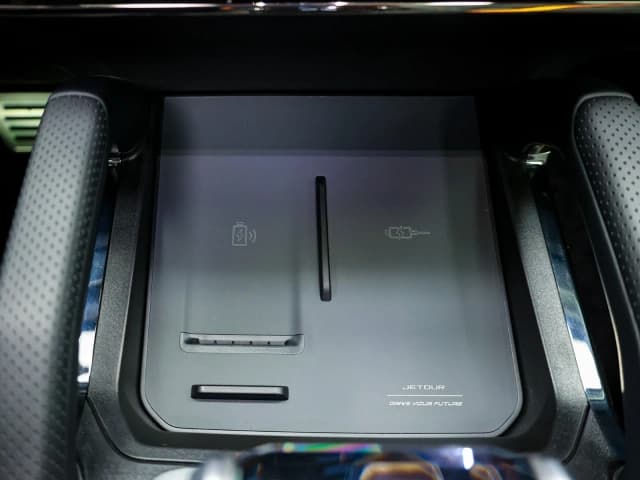
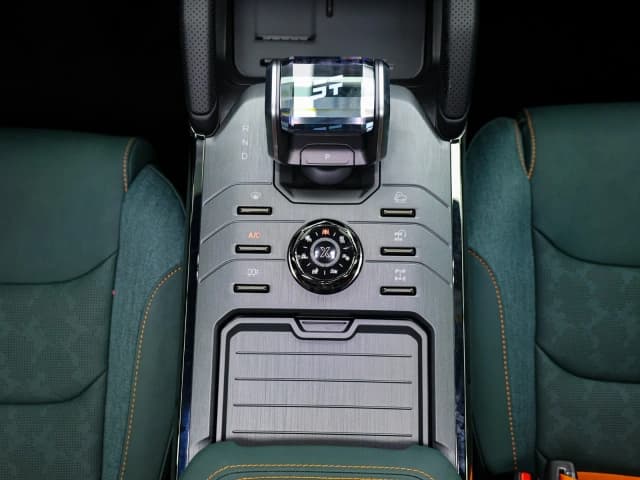
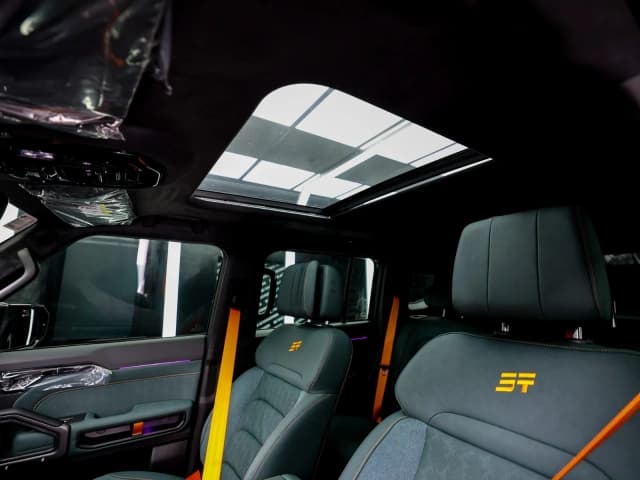
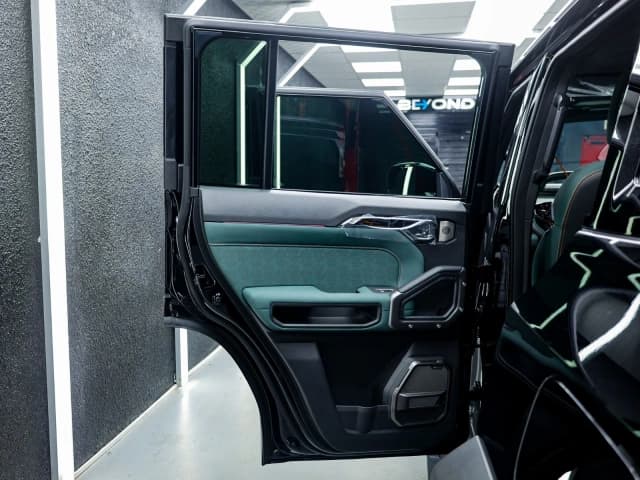
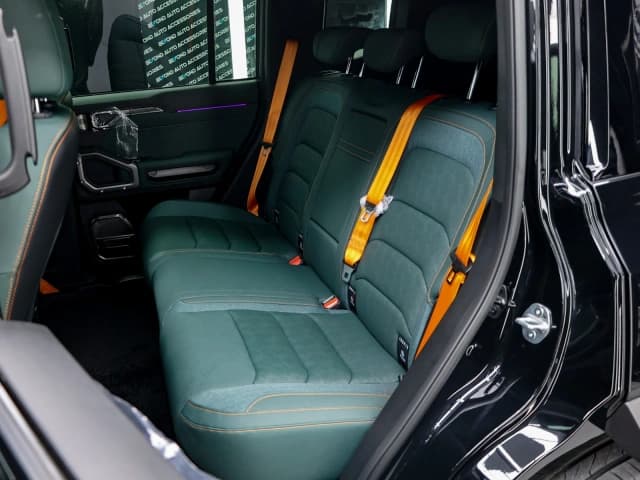
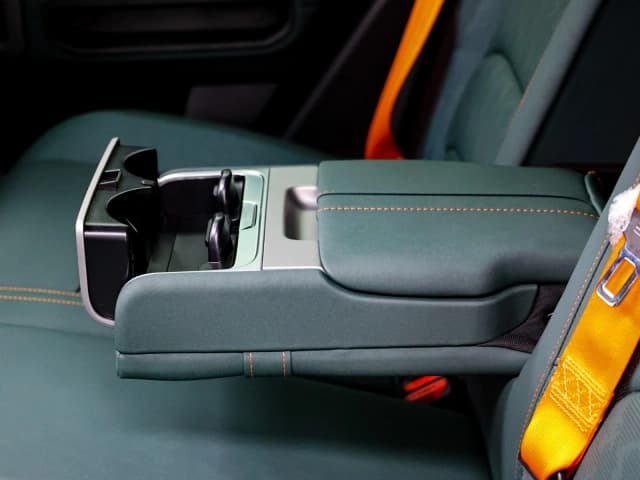
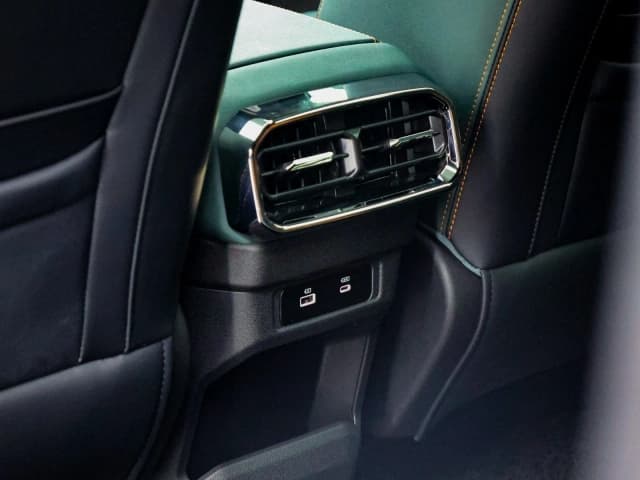
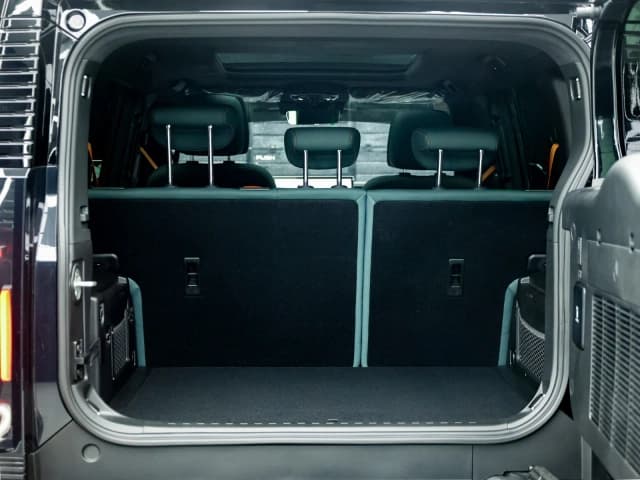
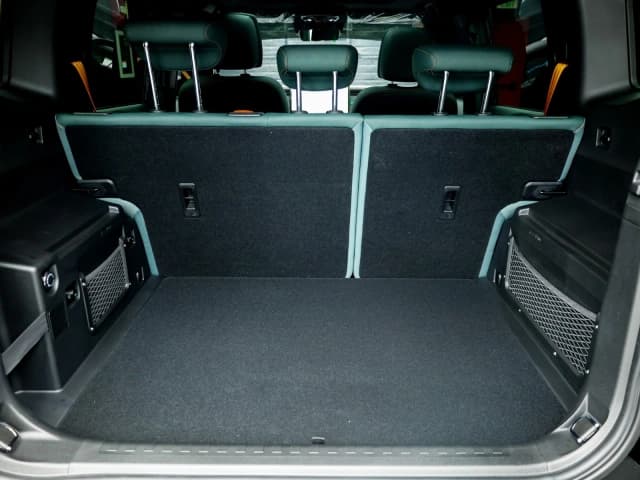
Interior features a 15.6-inch touchscreen with Snapdragon 8155 processor, heated and ventilated front seats, dual-zone climate control, 8-speaker audio, and 50W wireless charging. Safety covers nine airbags, ABS/ESC/TCS, lane-keeping assist, adaptive cruise control, 540-degree panoramic camera, and L2 autonomous driving. The 4785×2800×1875 mm chassis rides on a 2800 mm wheelbase with 205 mm ground clearance, suitable for varied terrain and urban environments across Africa, CIS, Southeast Asia, and Latin America.
The 2026 Jetour T2 Forest Edition serves importers seeking modern plug-in hybrid technology at compact SUV proportions. The 1.5L turbocharged engine delivers responsive acceleration while the dual electric motors provide torque fill and smooth low-speed launches typical of hybrid systems. Most buyers report that the DHT transmission feels transparent in normal driving—the system handles mode switching and power blending without the lag or complexity some hybrid drivers expect. For fleets and re-exporters operating in urban zones or regions with rising fuel costs, the battery's 100–129 km electric range covers daily commutes, while the petrol engine ensures no range anxiety on longer routes.
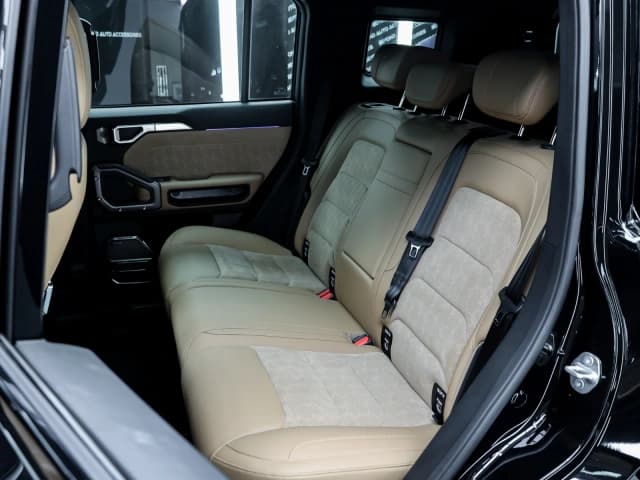
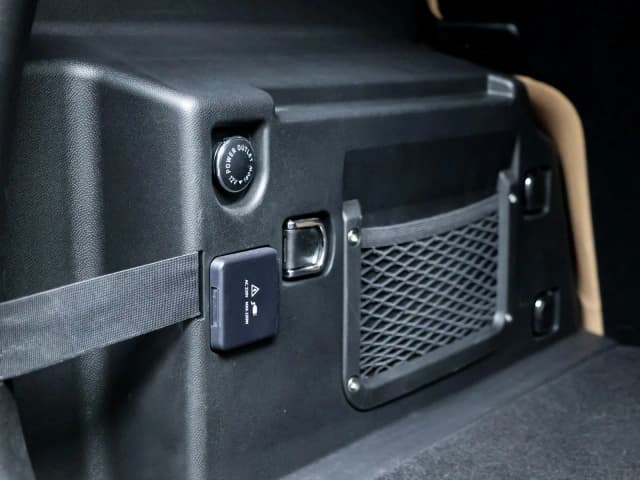
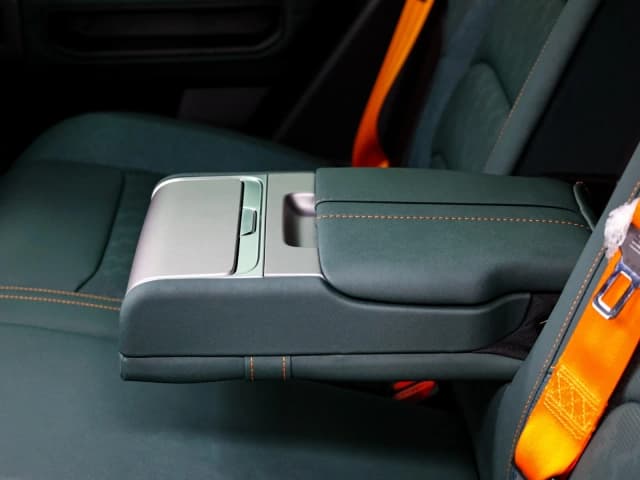
The cabin balances practicality with comfort. The 15.6-inch display and Snapdragon processor support OTA updates and voice control, keeping the vehicle current across ownership tenure. Heated and ventilated front seats matter in tropical and cold markets alike. The 540-degree panoramic camera and L2 autonomous driving features address safety requirements in regulated markets, while V2L external power output up to 6.6 kW appeals to buyers in regions with unreliable grid infrastructure or those seeking mobile power solutions.
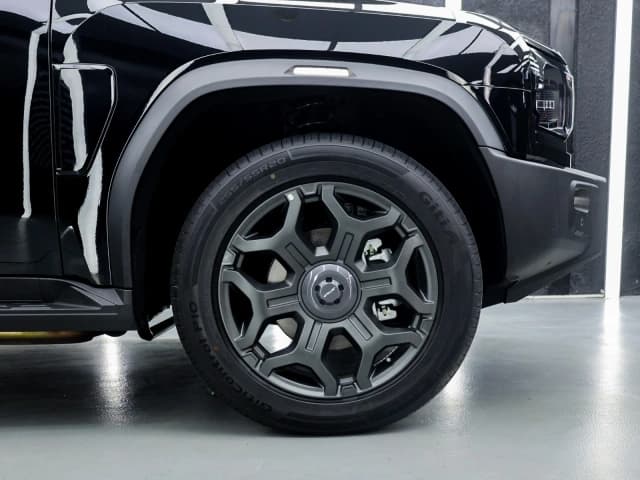
Ownership considerations include battery longevity—Jetour uses lithium iron phosphate cells, which tolerate more charge cycles and heat than ternary chemistries common in other PHEVs. The 50W wireless charging and keyless entry reflect Chinese domestic feature expectations now migrating to export markets. Ground clearance of 205 mm suits paved roads and light off-road work but falls short of dedicated SUVs; this machine targets hybrid-focused buyers, not serious terrain.
The T2 Forest Edition is straightforward to service in markets with Jetour dealer presence or where local technicians support Chinese vehicle platforms. Exported units suit buyers prioritizing fuel economy, electric capability, and modern connectivity over traditional truck-like durability or off-road prowess.