.webp&w=384&q=75)

East Africa · Tier 2
Export new cars to Ethiopia from Dubai
Popular Cars in Ethiopia
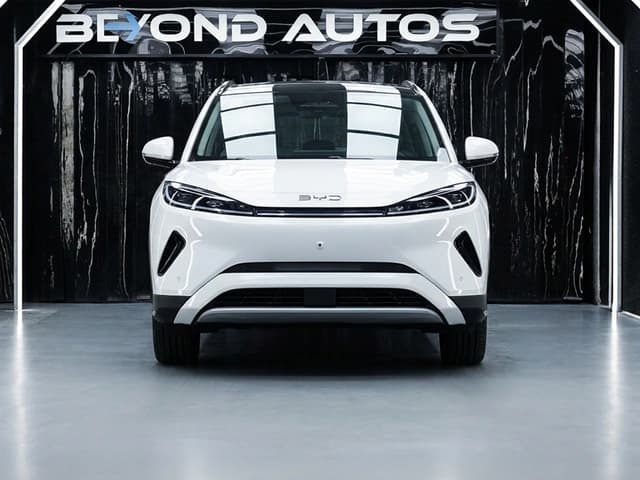
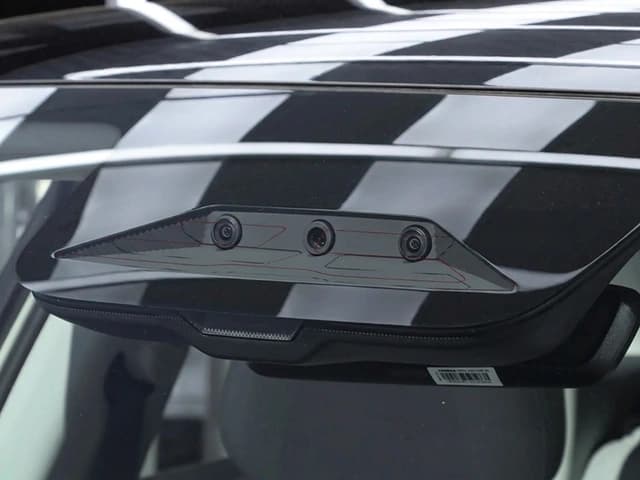
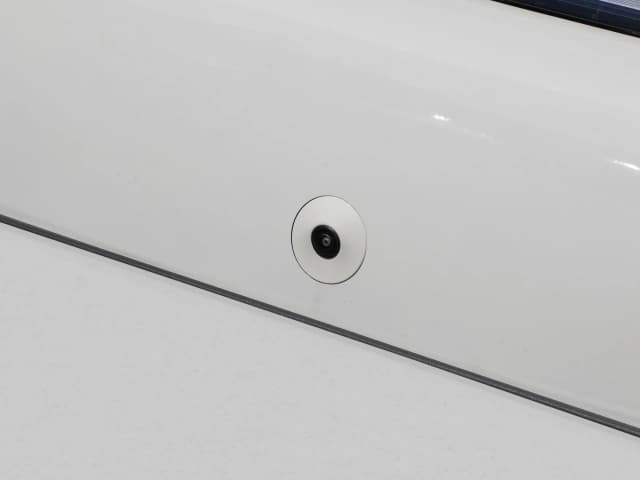
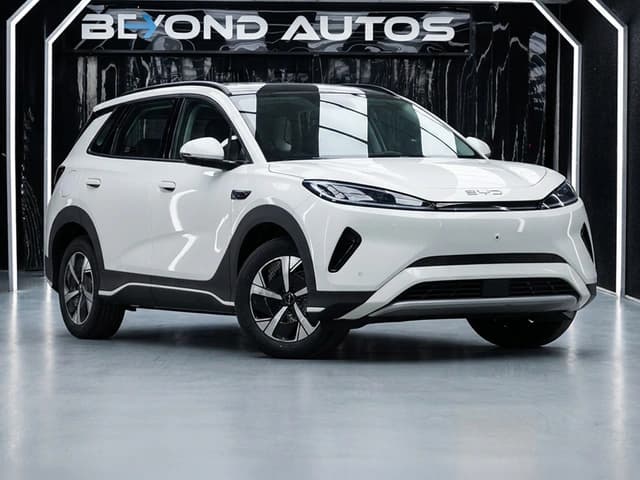
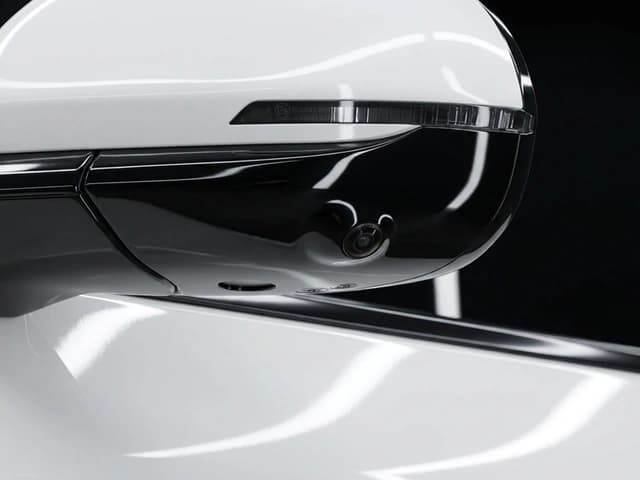
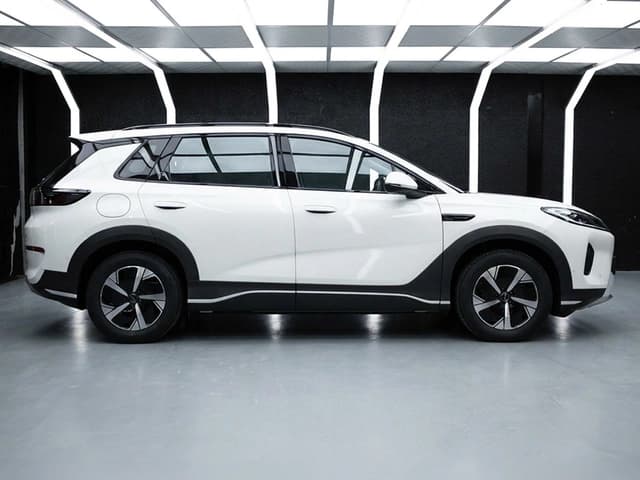
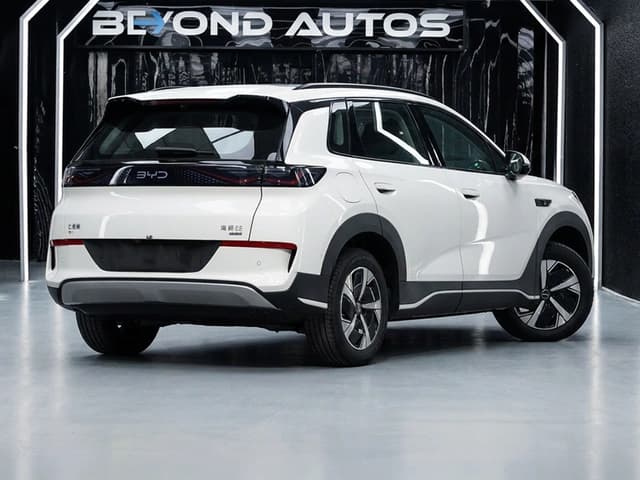
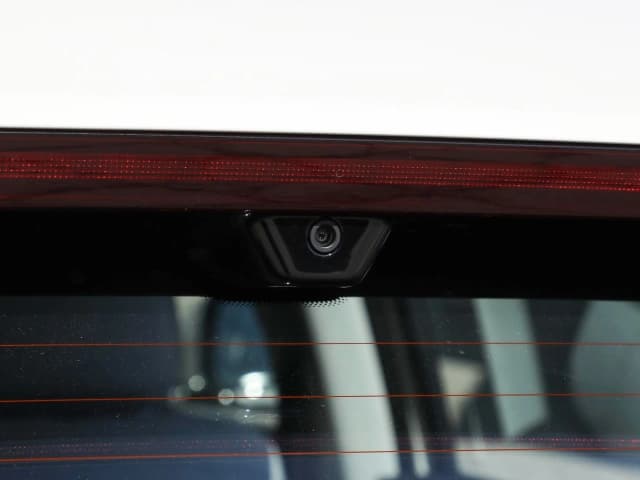
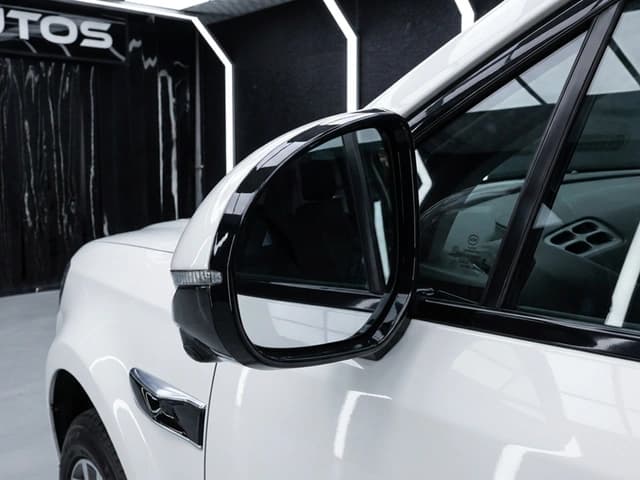
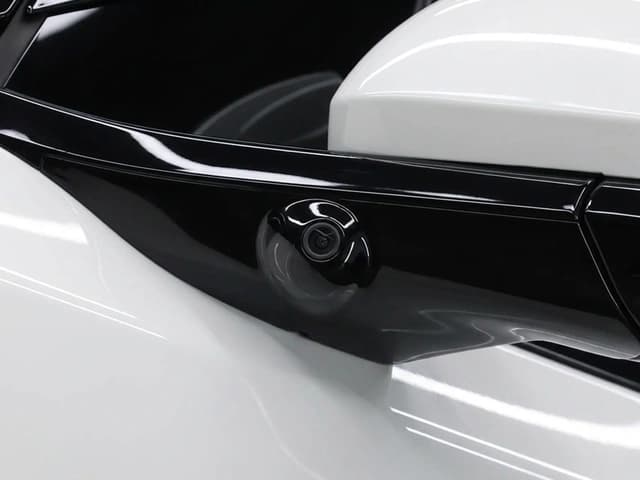
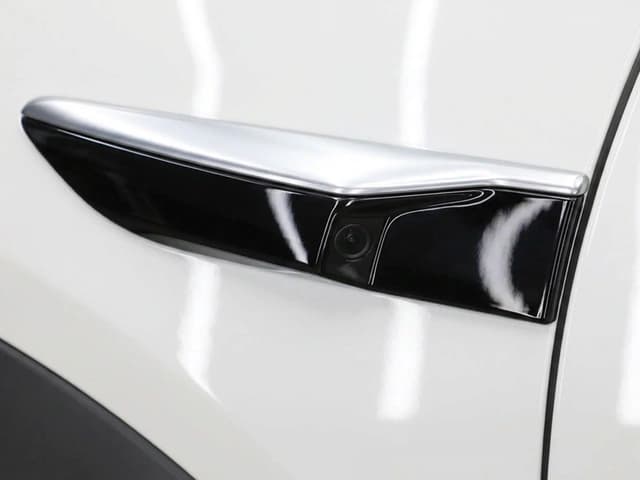

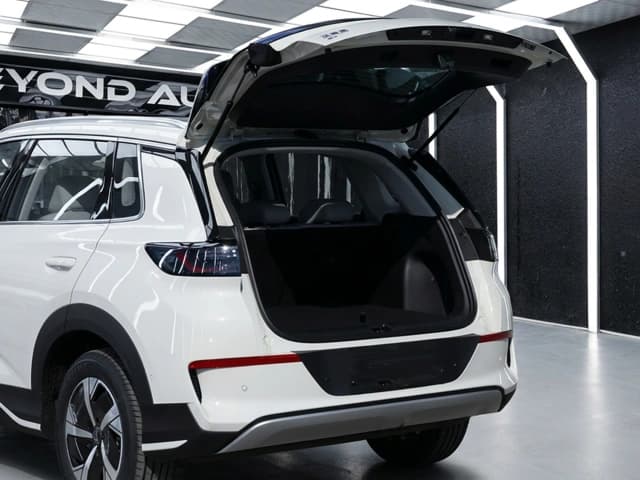
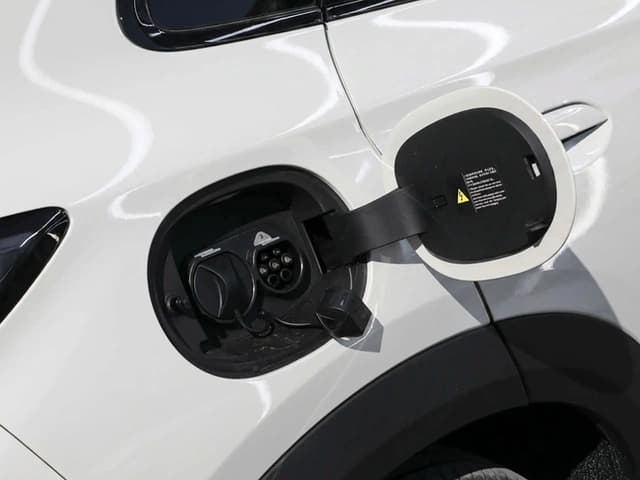
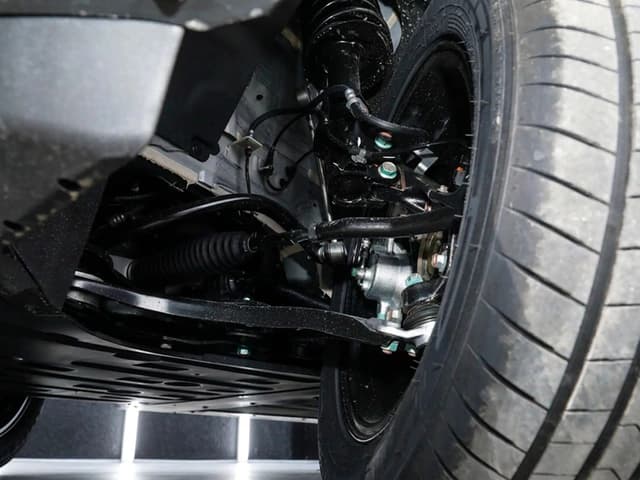
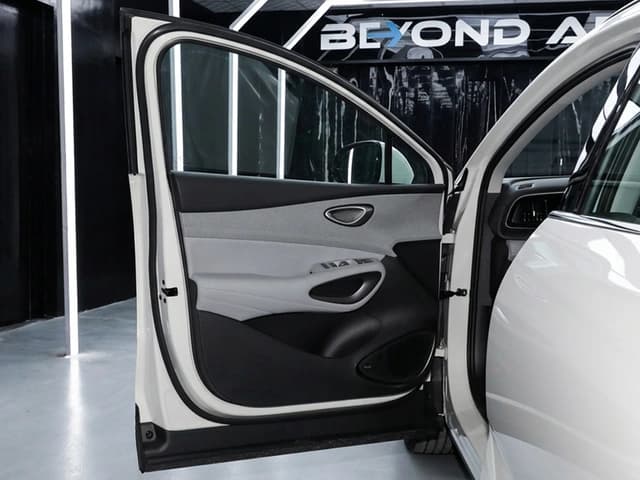

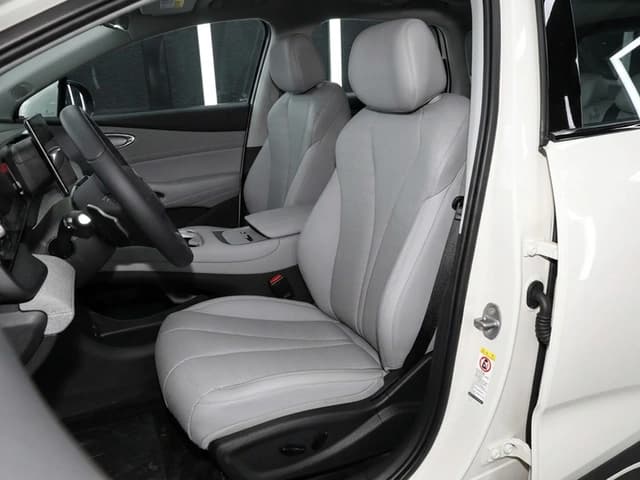
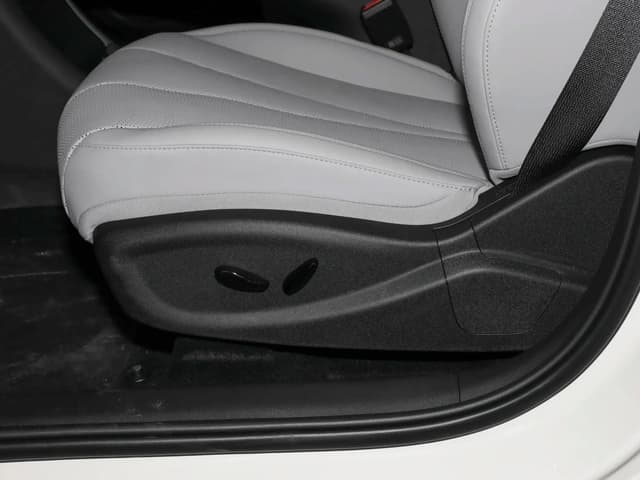
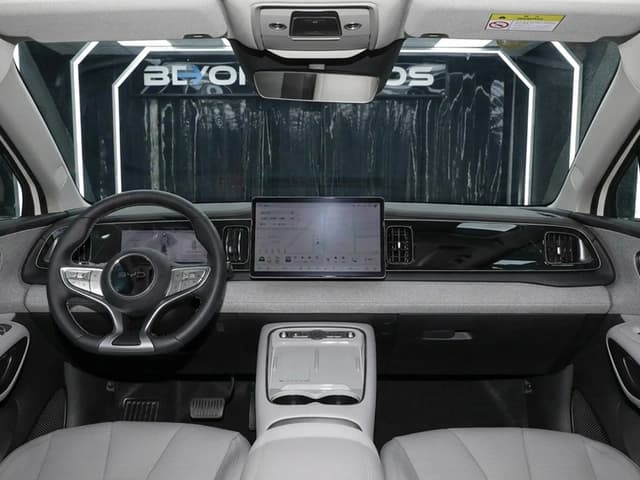
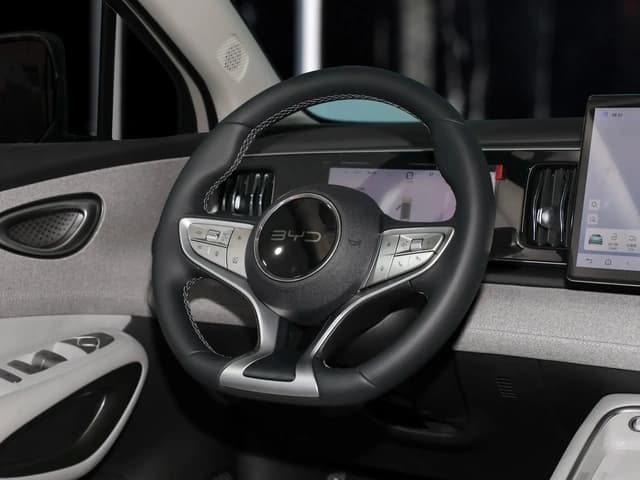

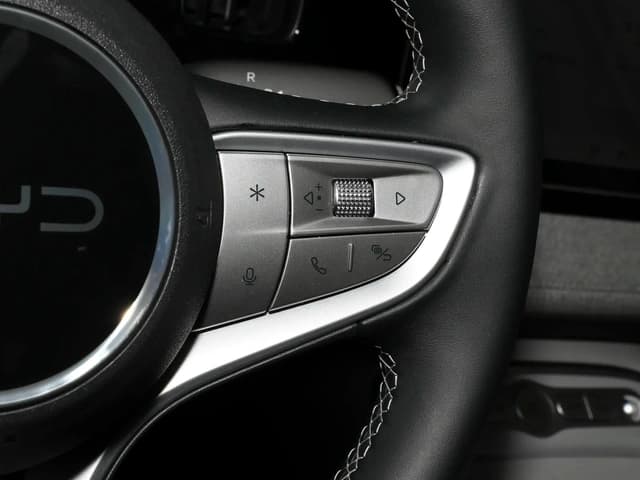
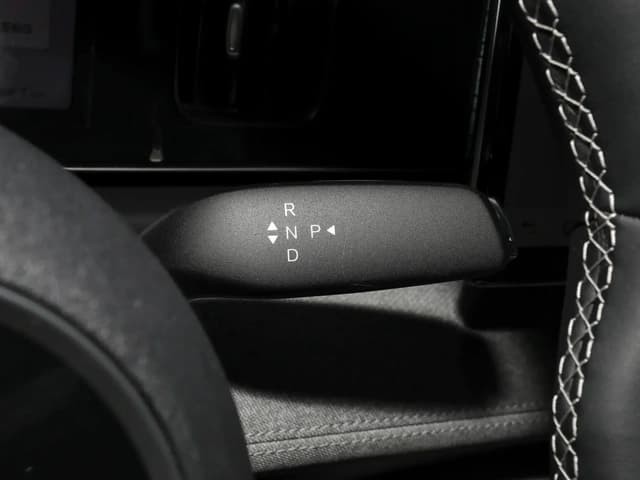
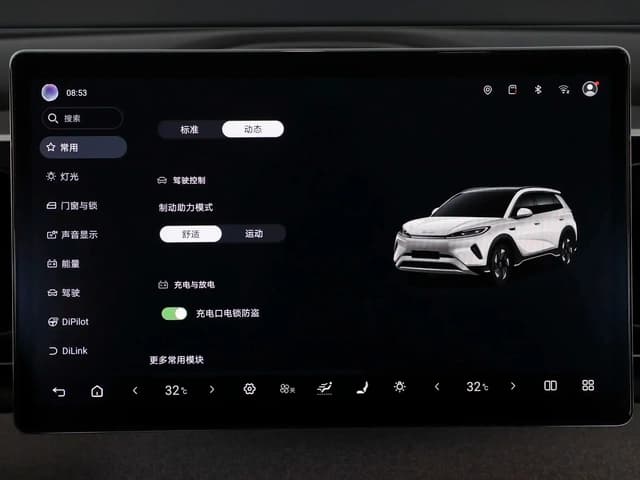
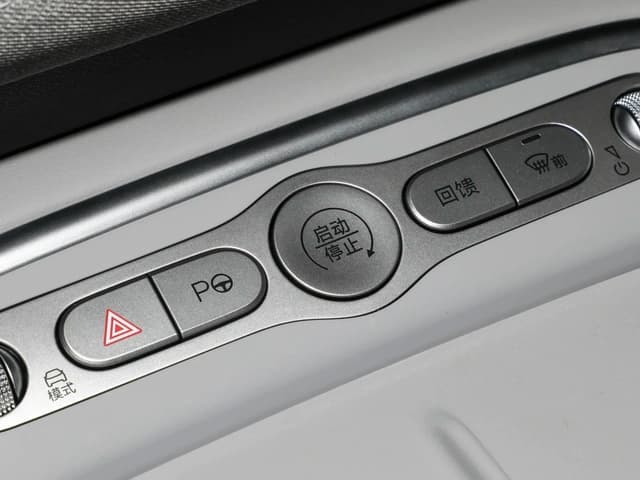
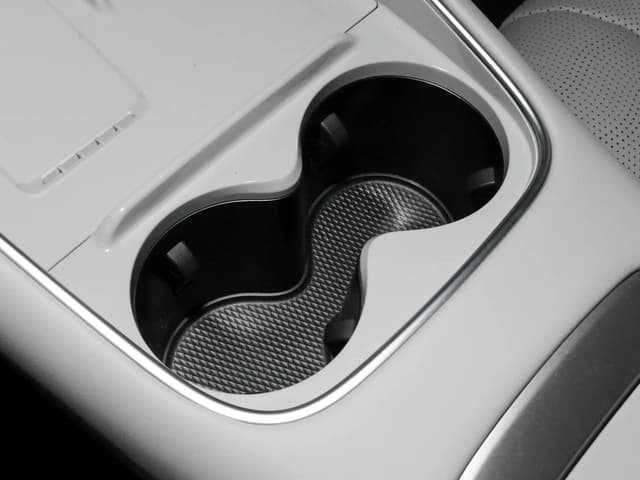
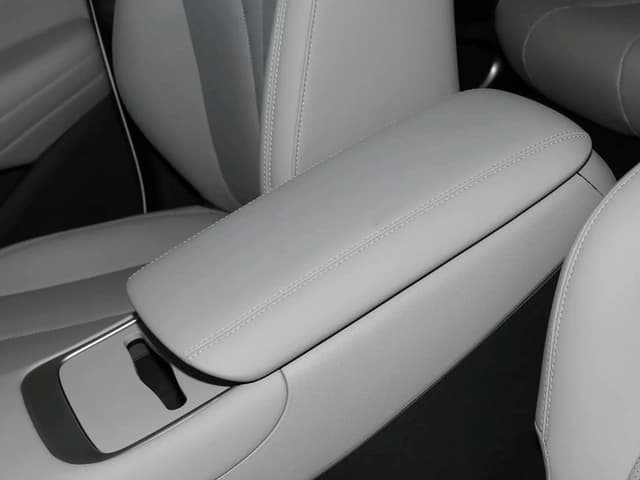
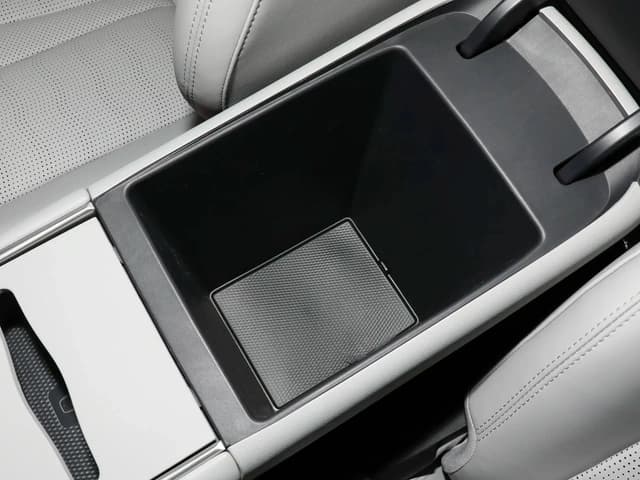
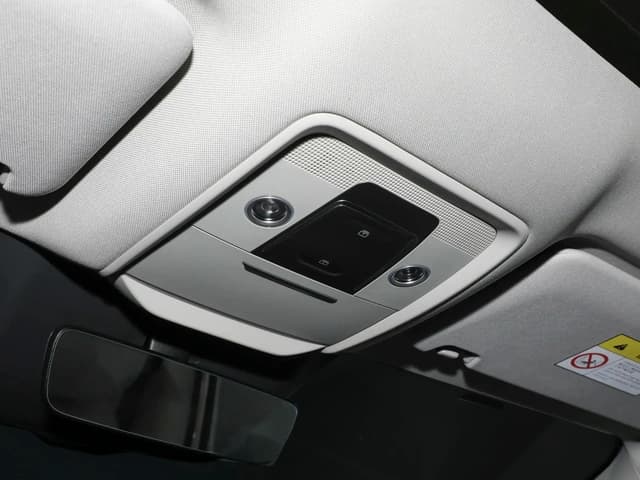
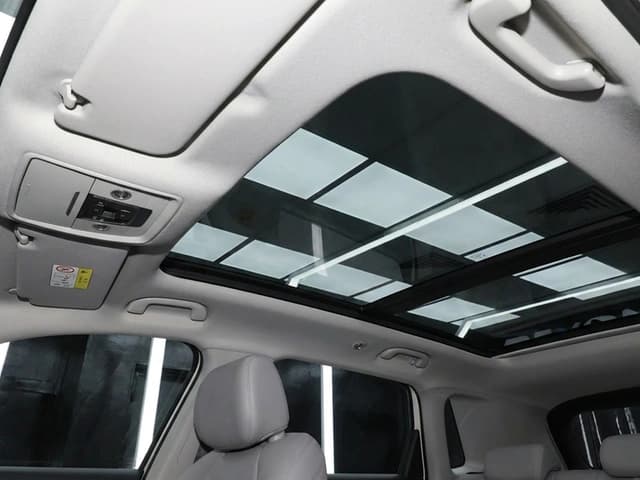
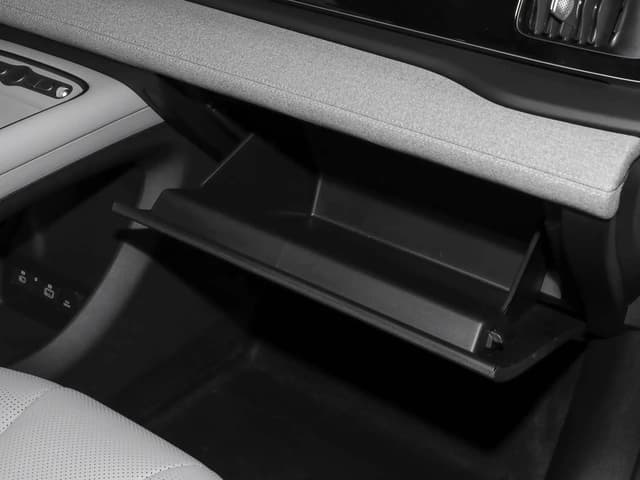
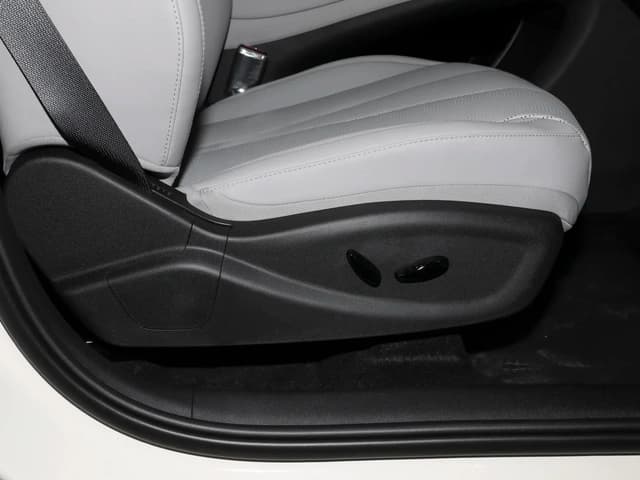
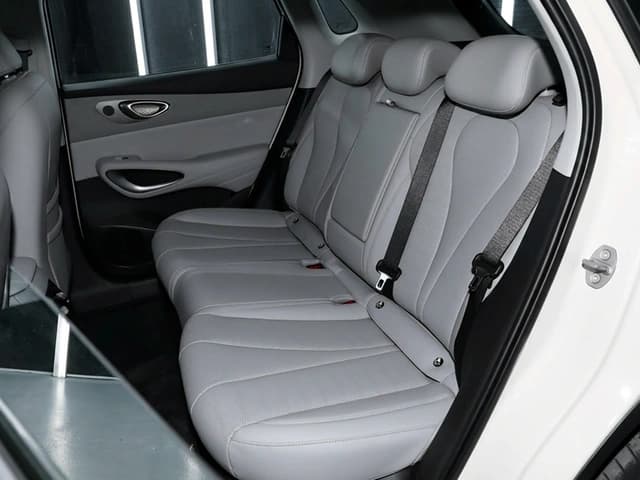
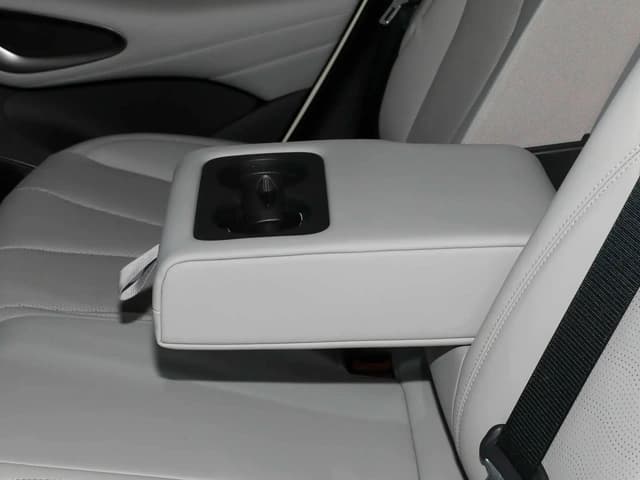
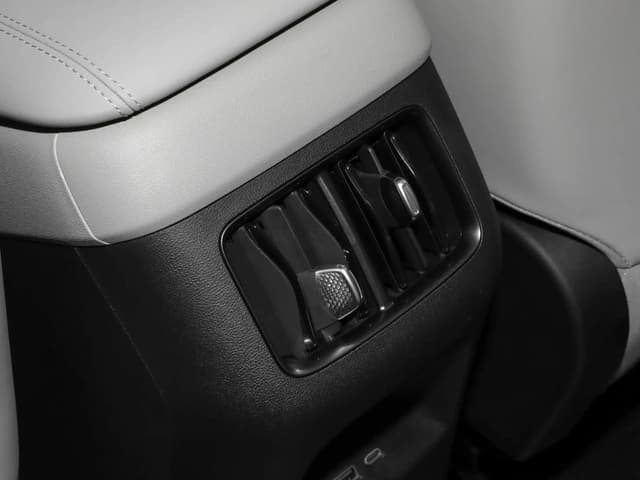
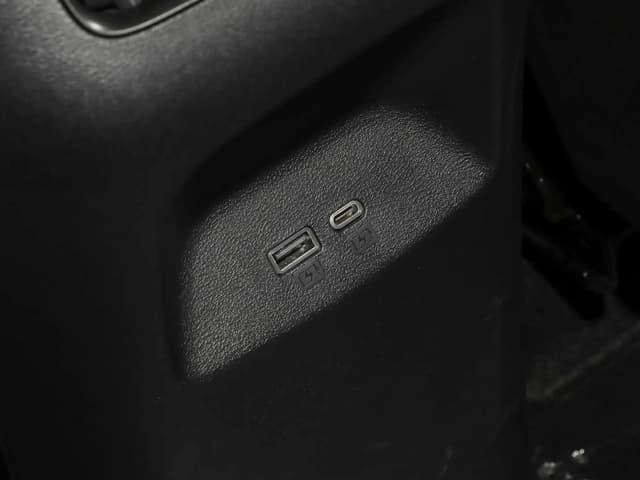
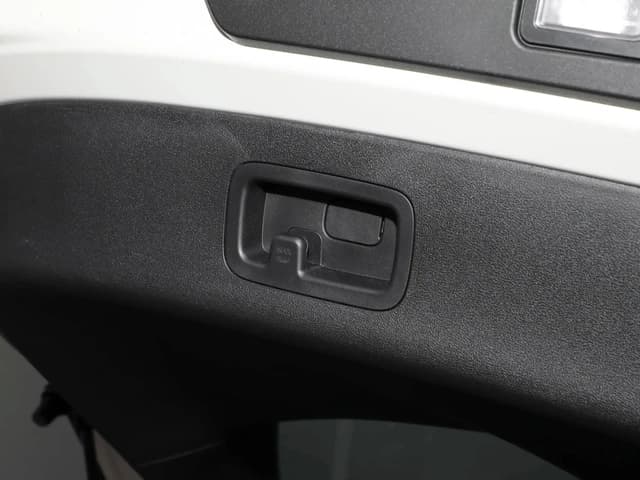
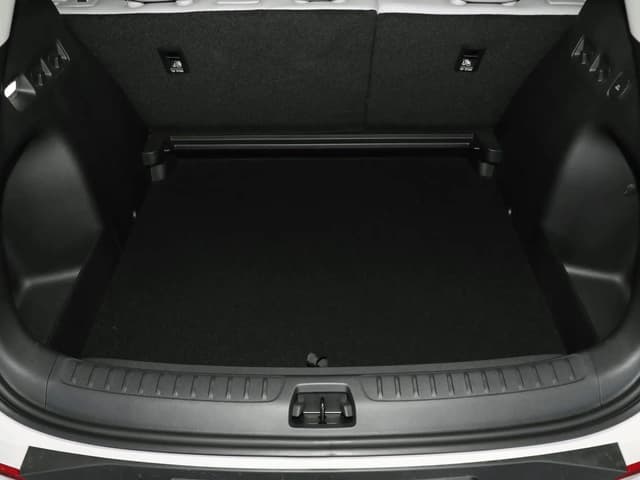
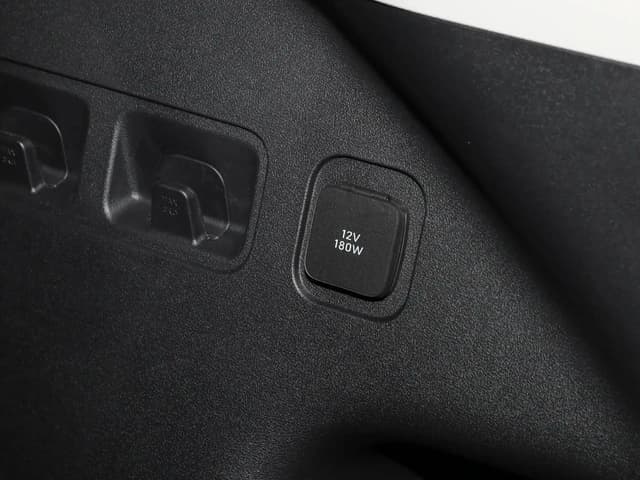
2025 BYD Sea Lion 05 Smart Navigation EV RWD A/T
FOB Jebel Ali

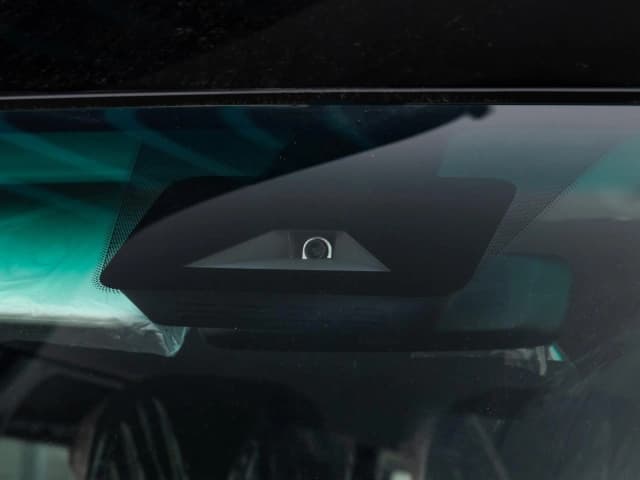
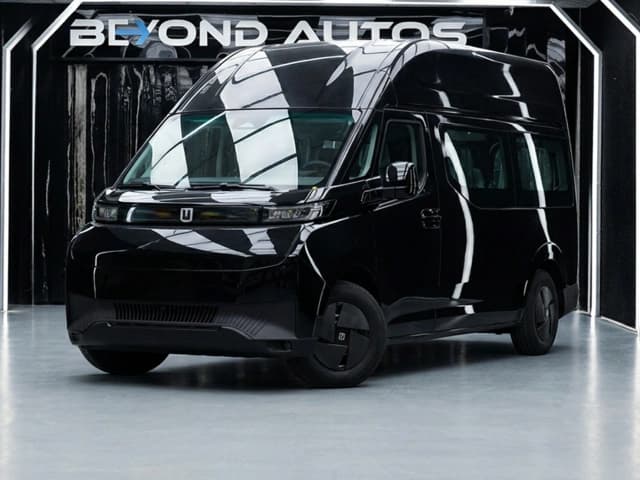

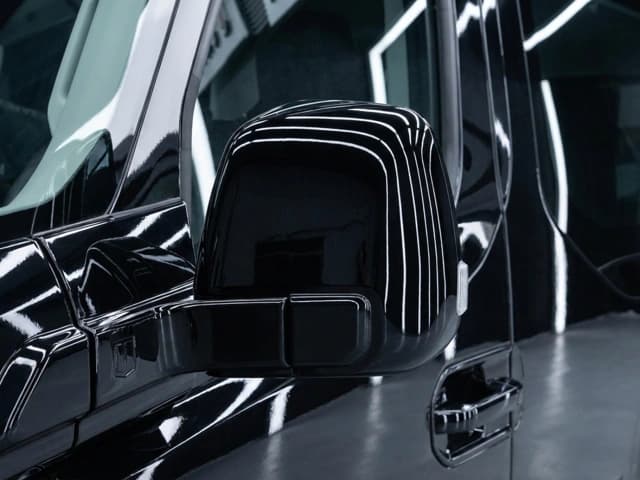
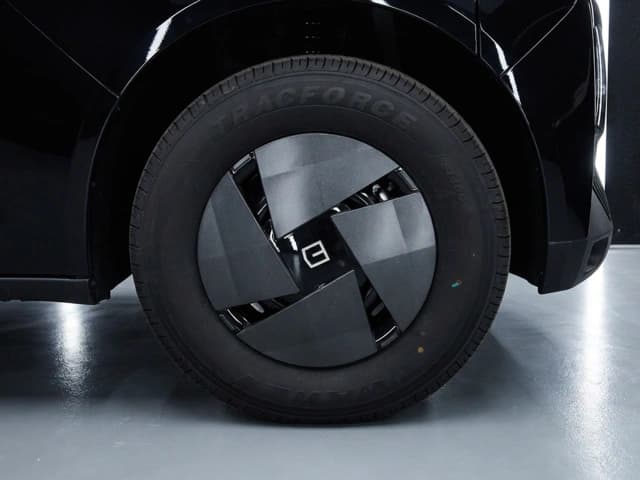
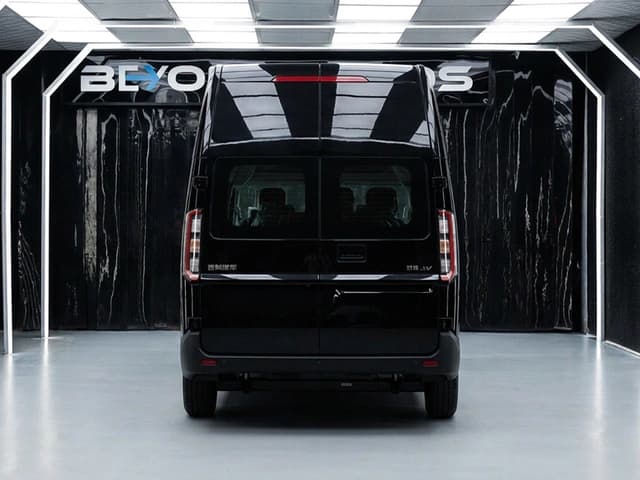
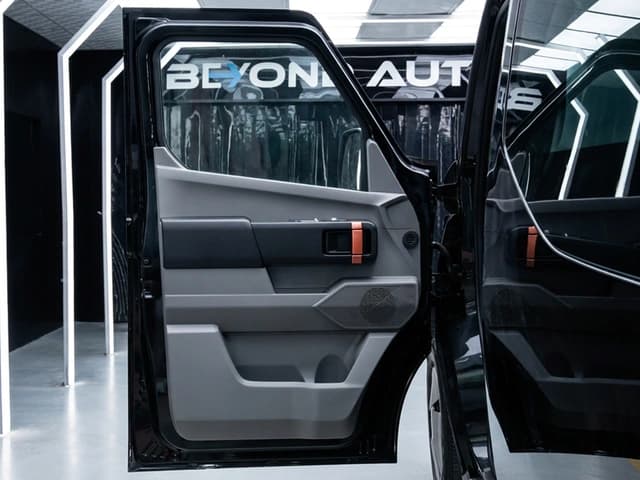
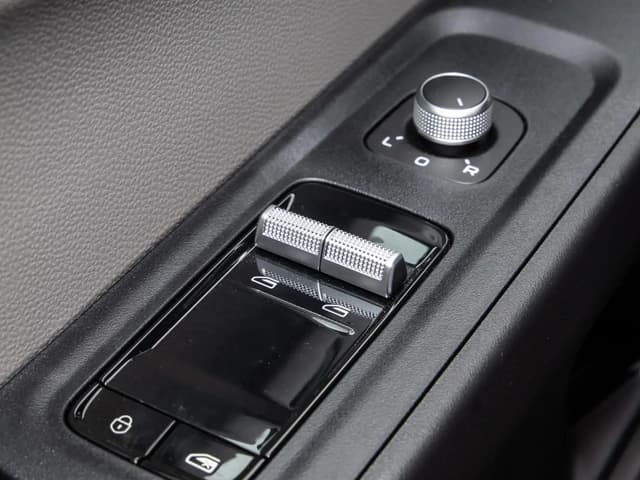
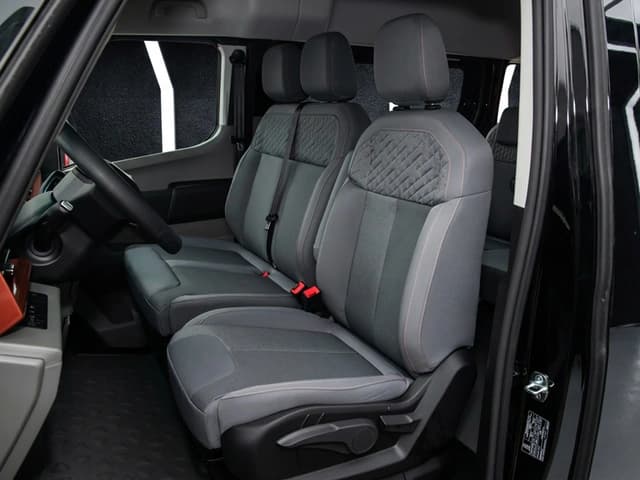
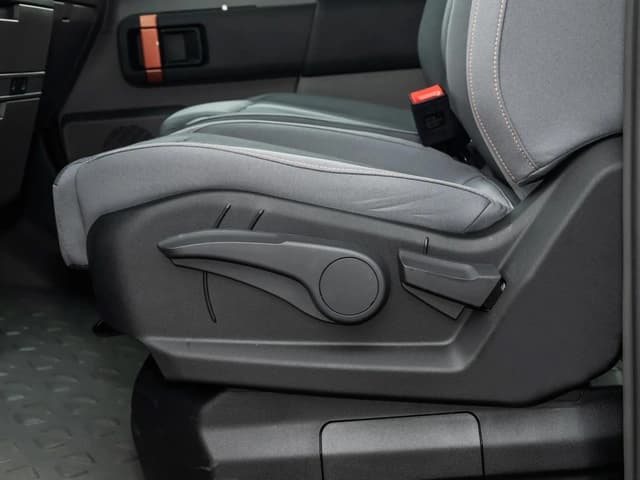
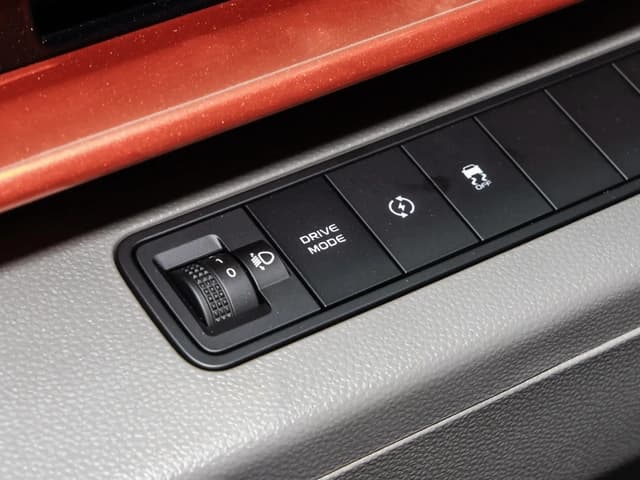
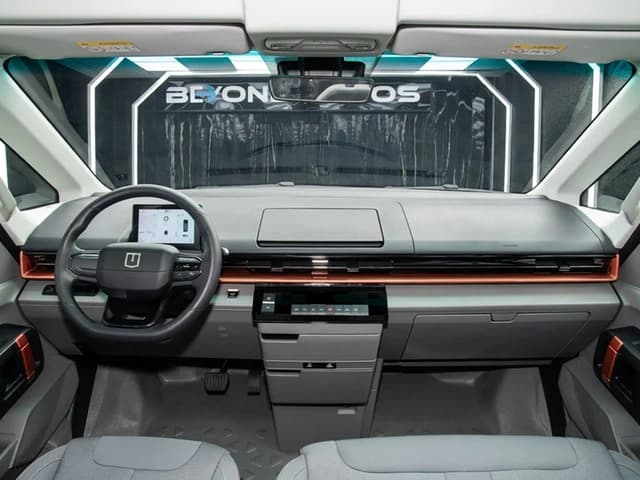
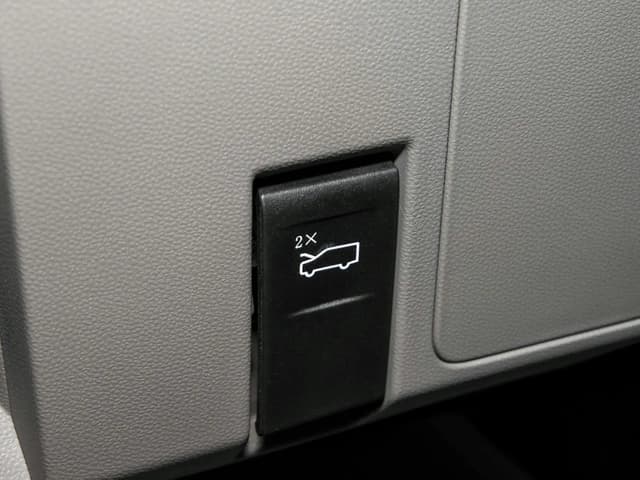
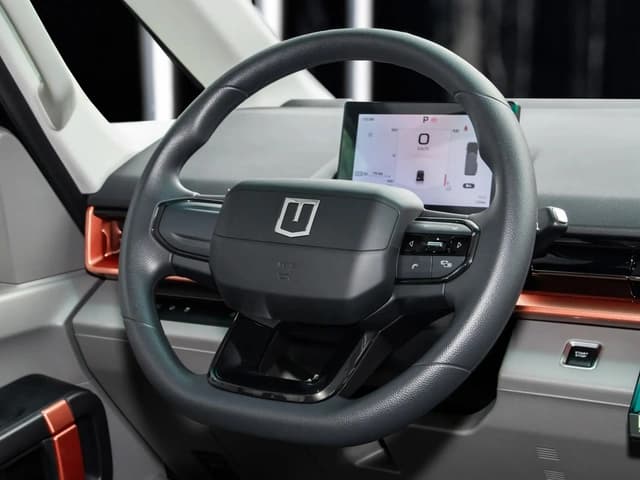
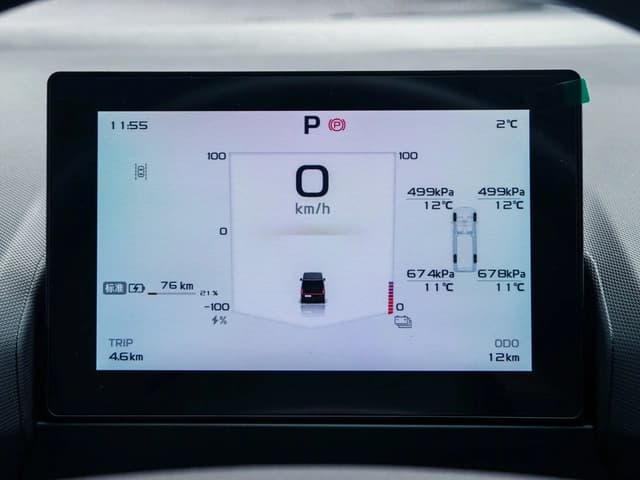
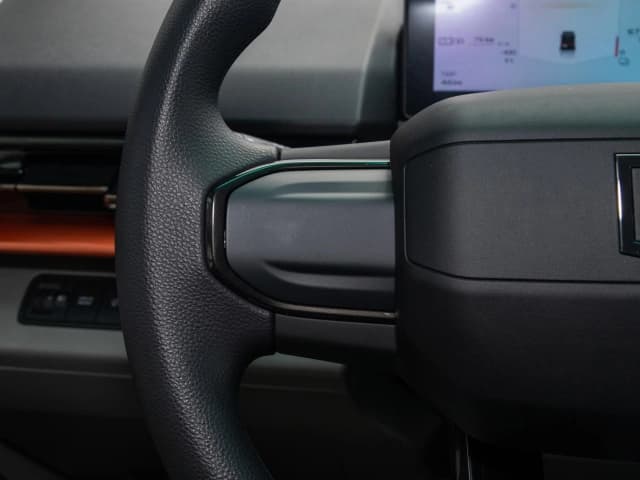
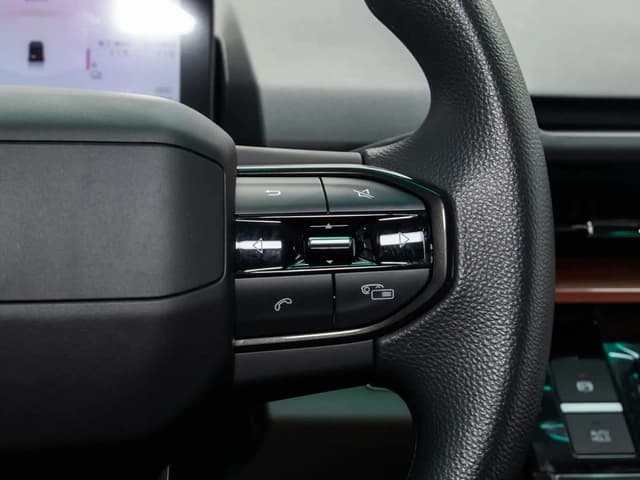
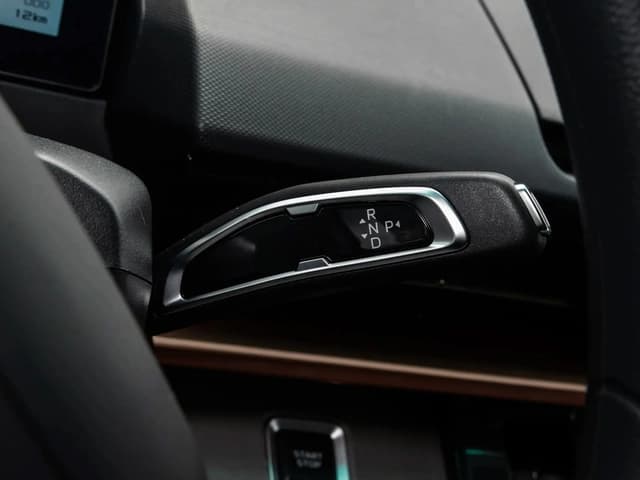
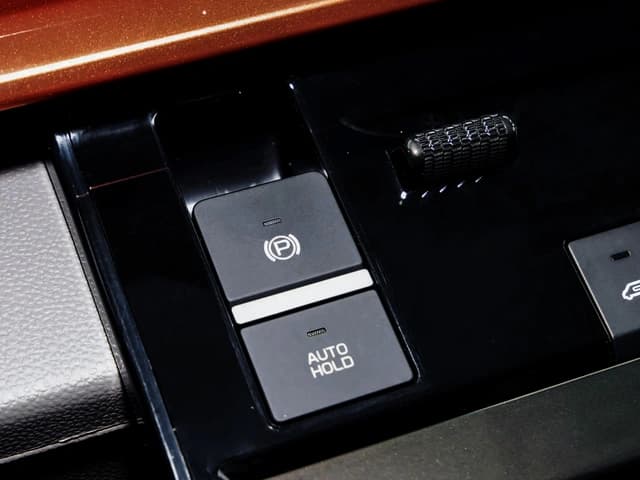
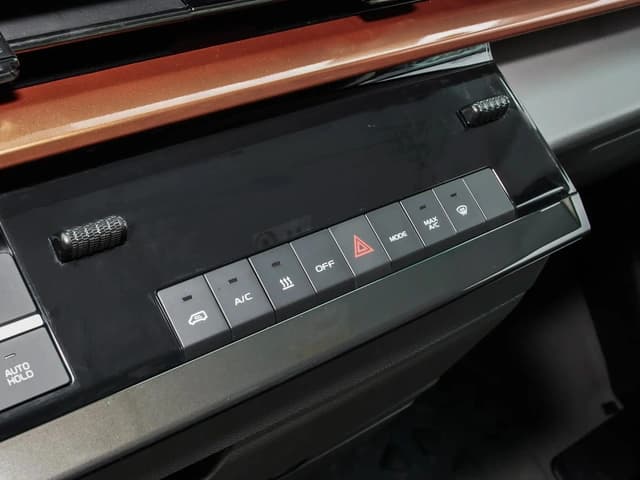
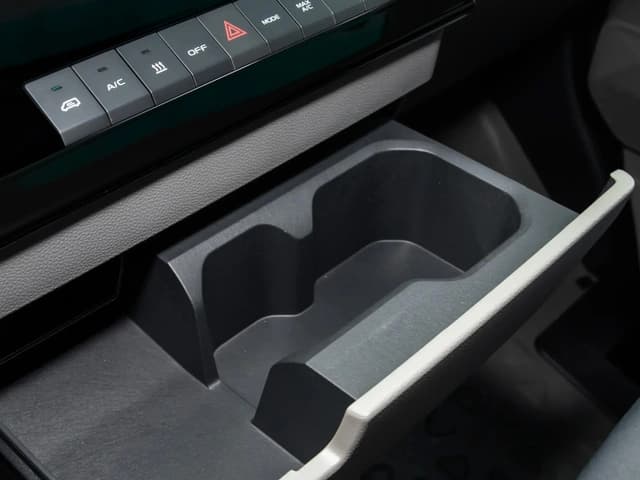
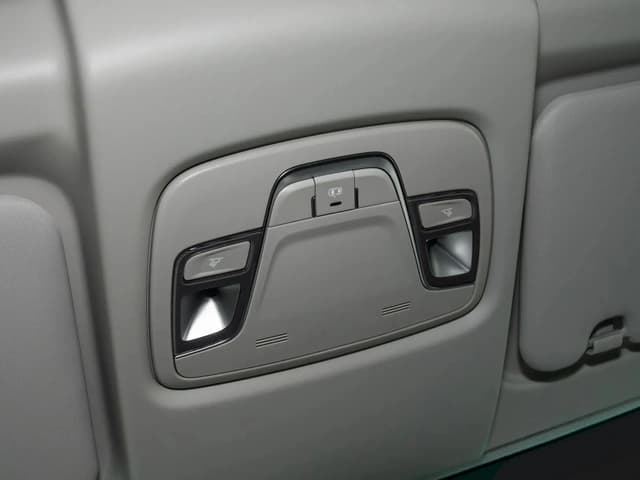
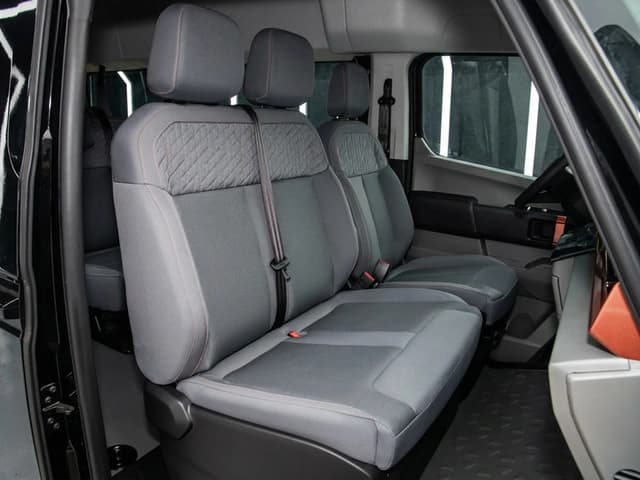
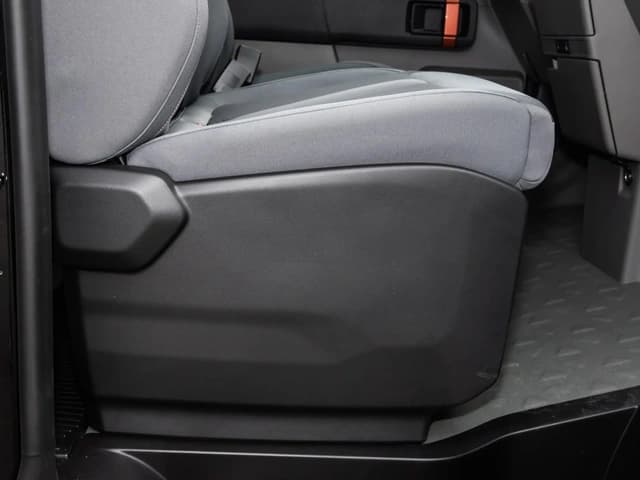
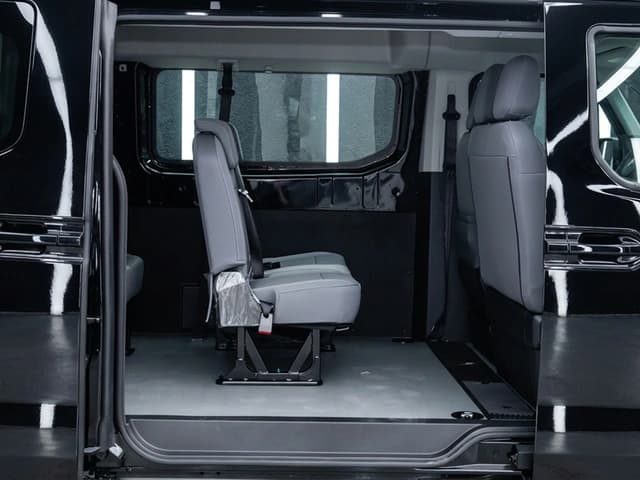
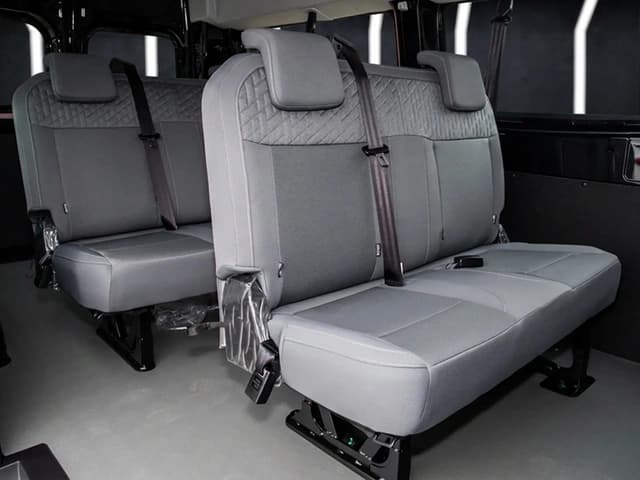
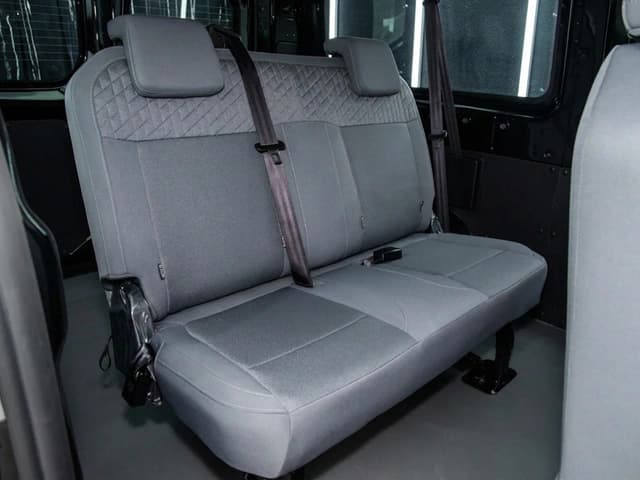
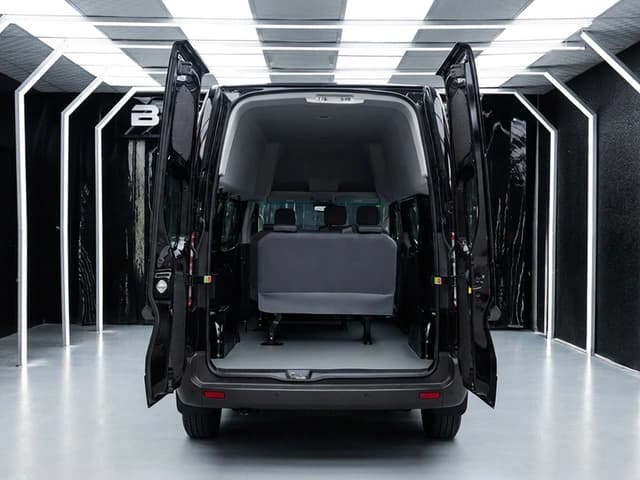
2026 Farizon SV Passenger L2H3 83 EV FWD A/T
FOB Jebel Ali

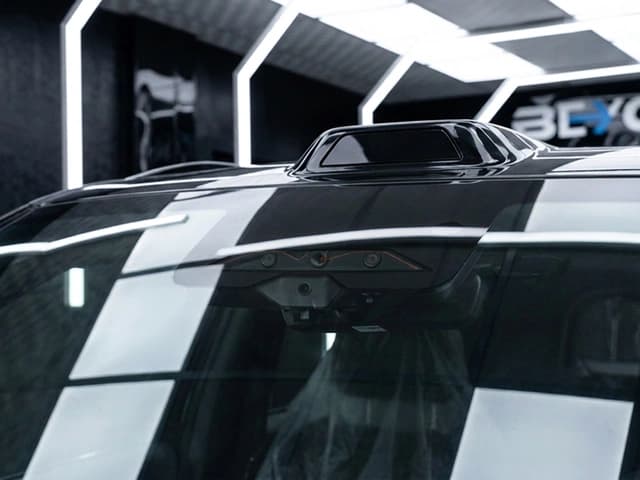
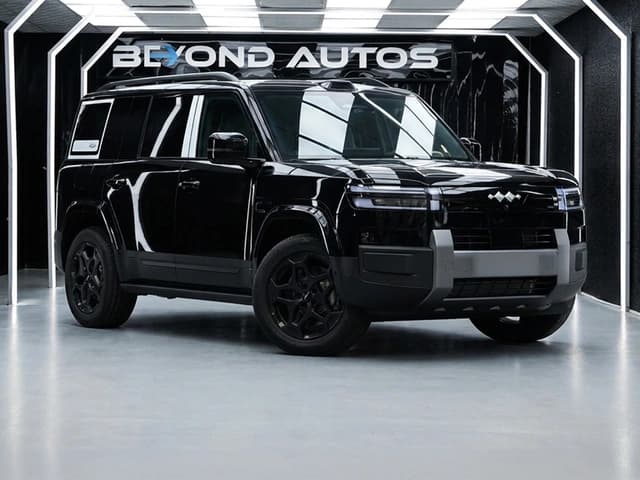
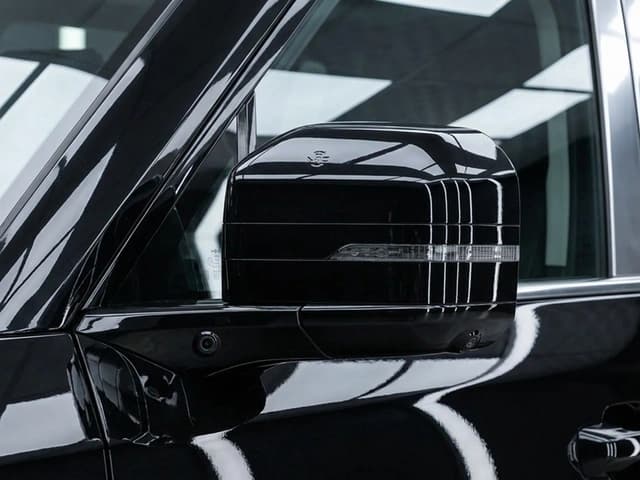
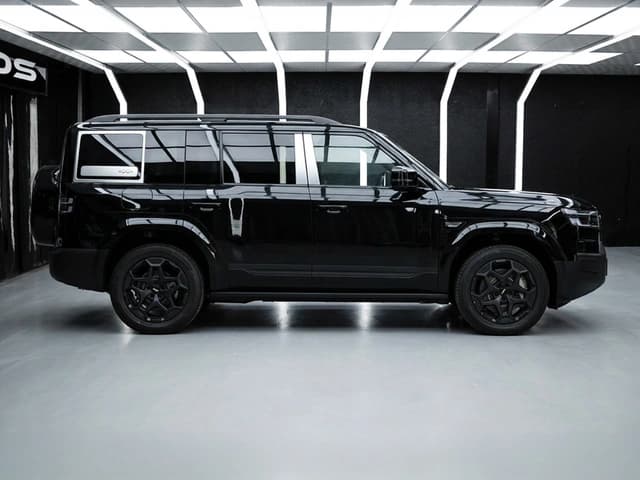
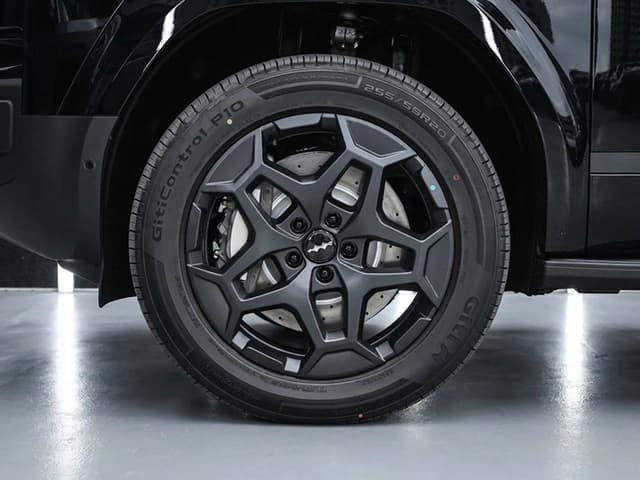
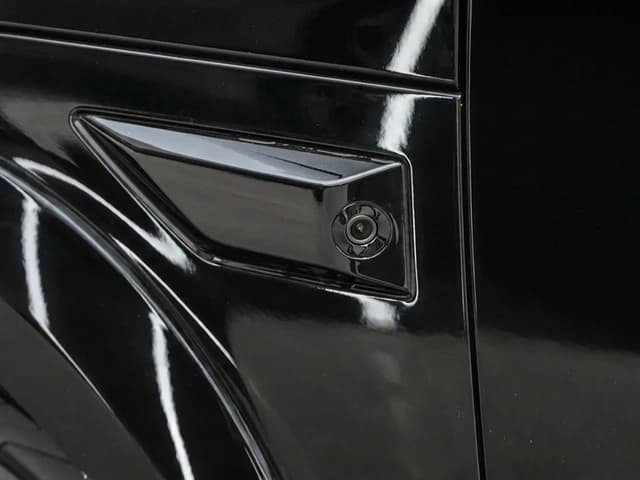
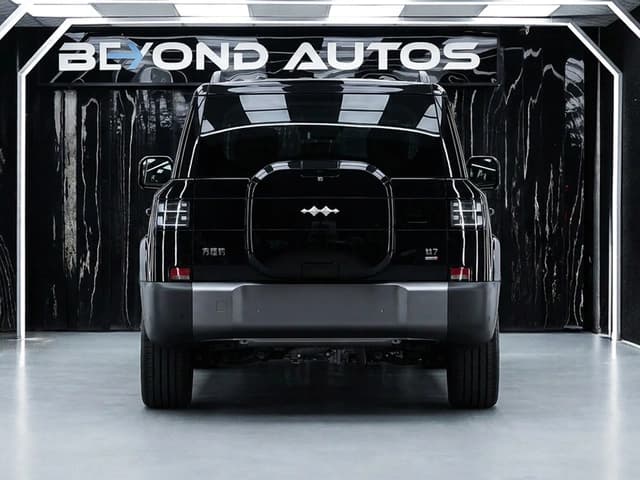
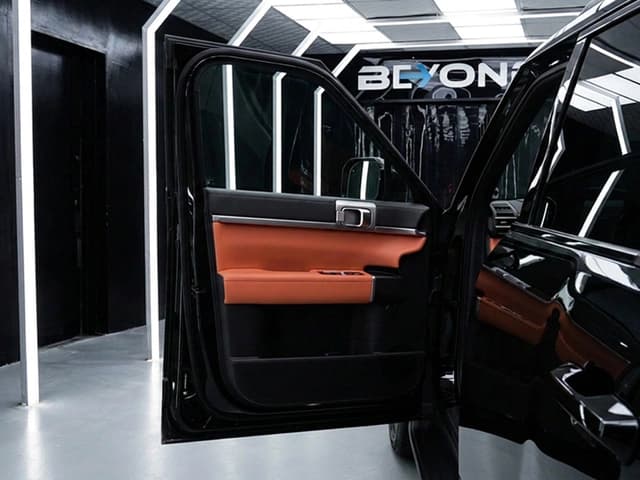
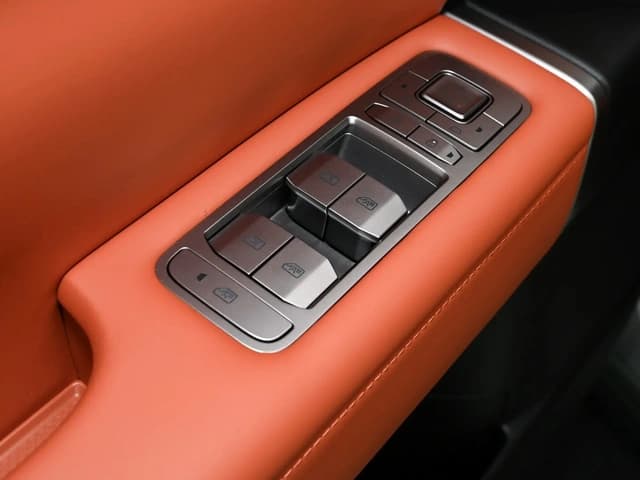
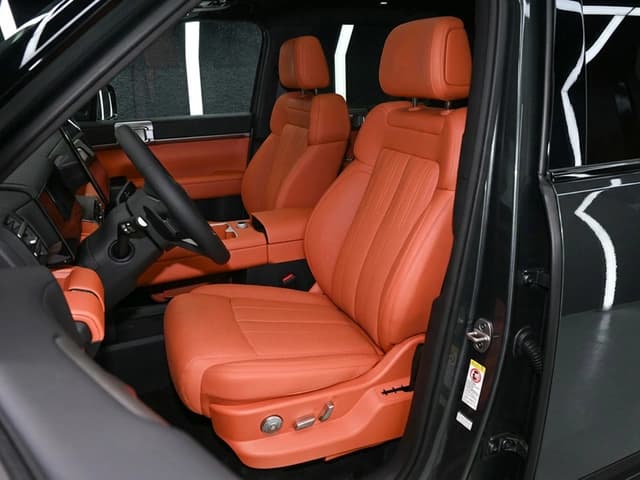
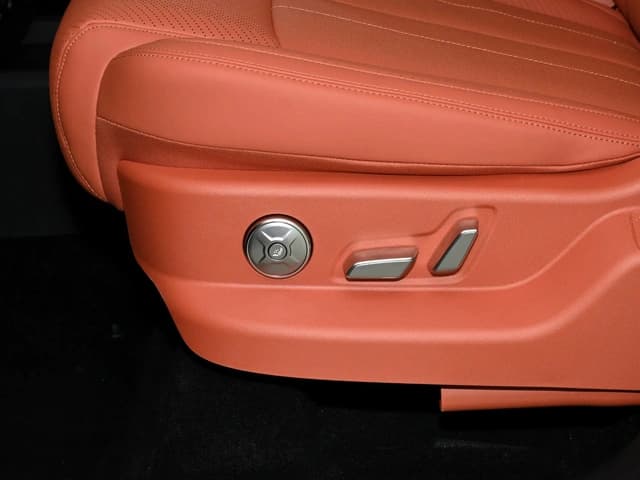
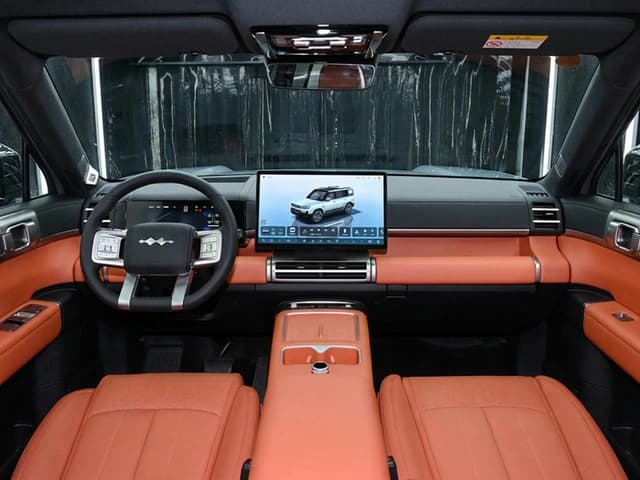
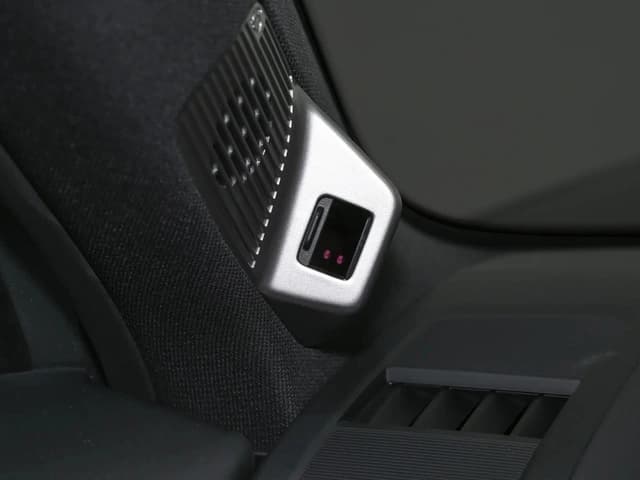
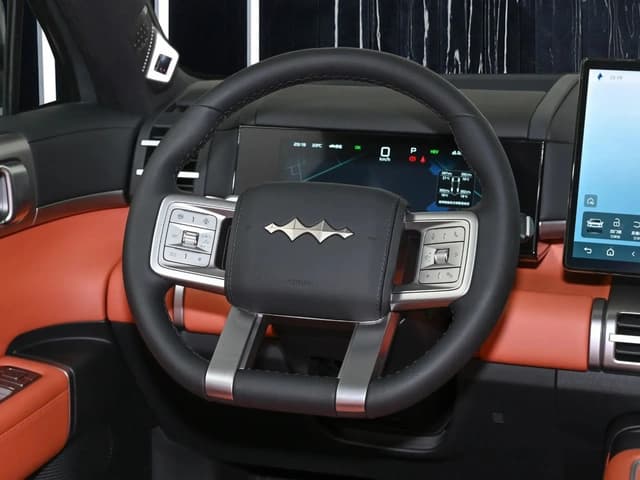
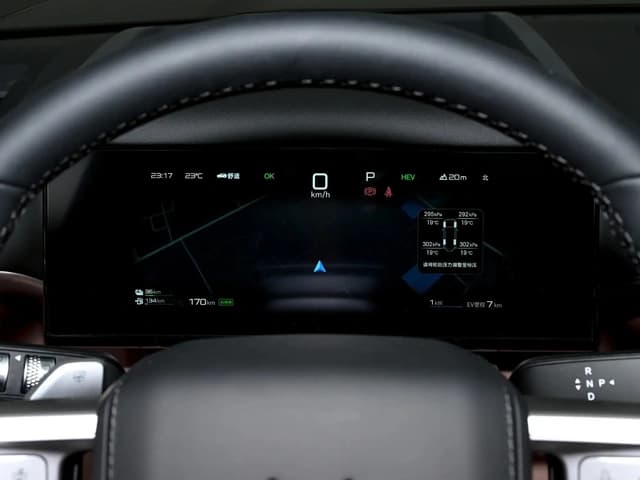
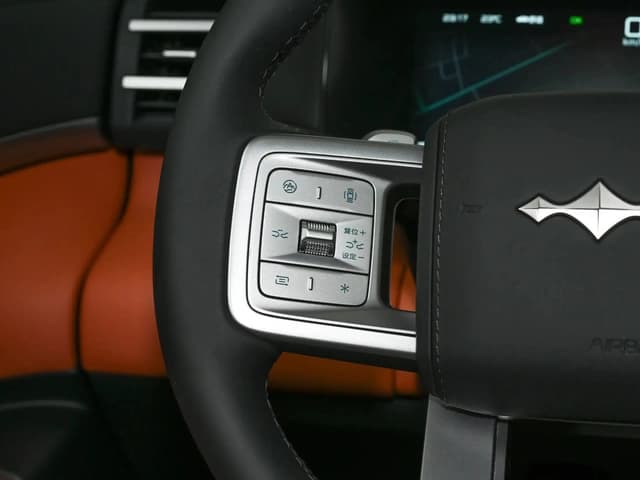
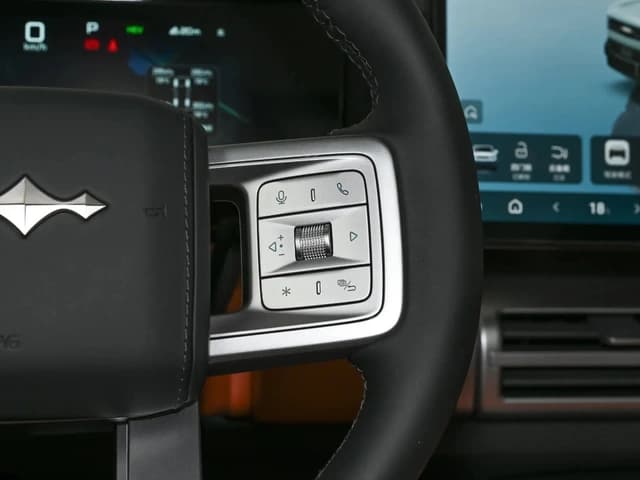
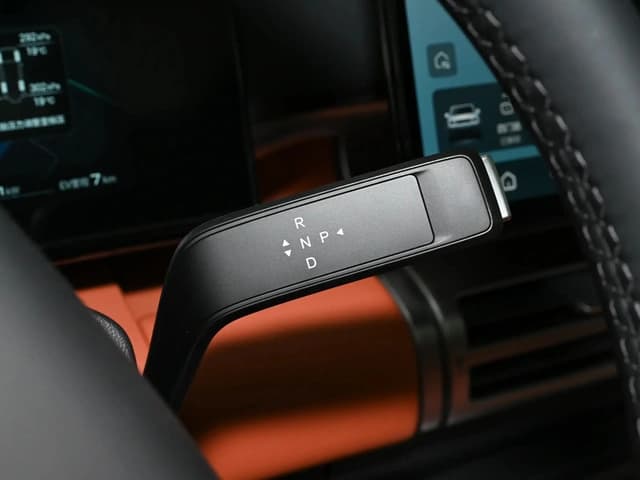
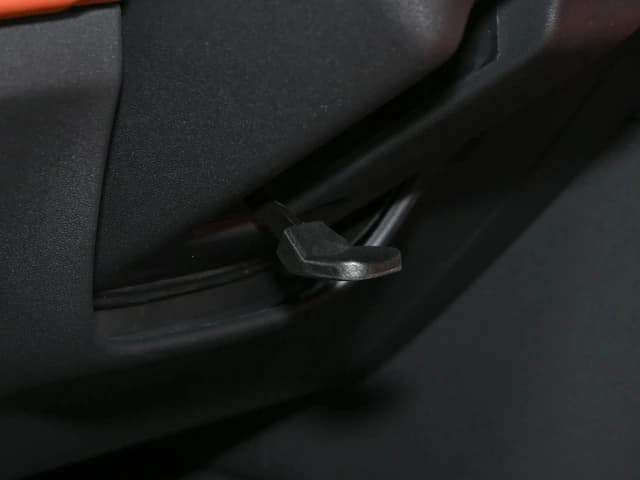
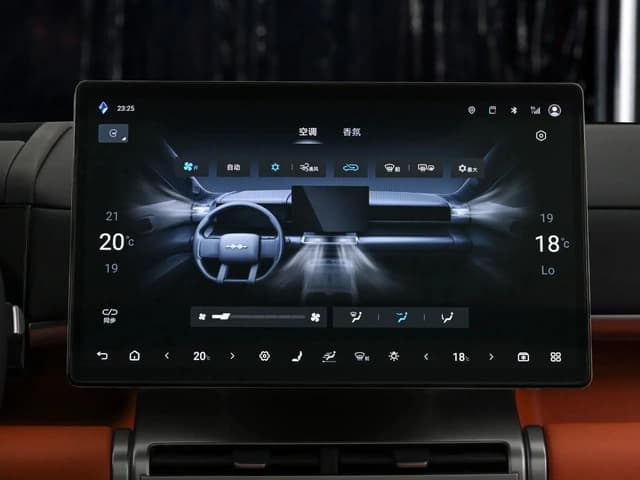
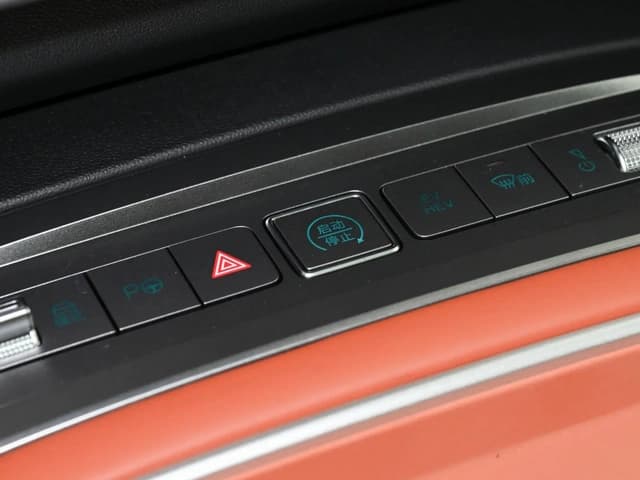
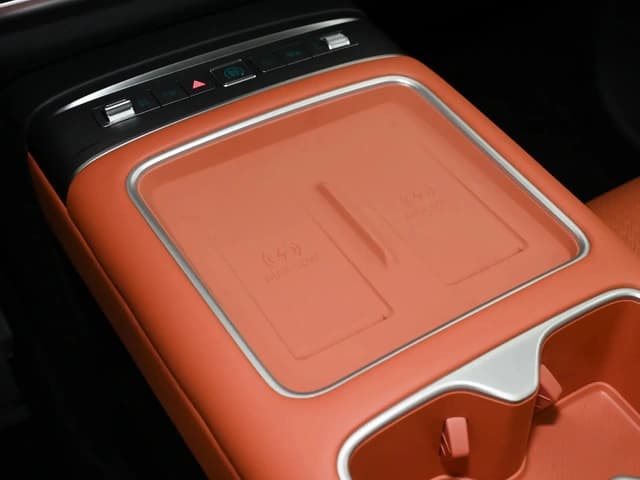
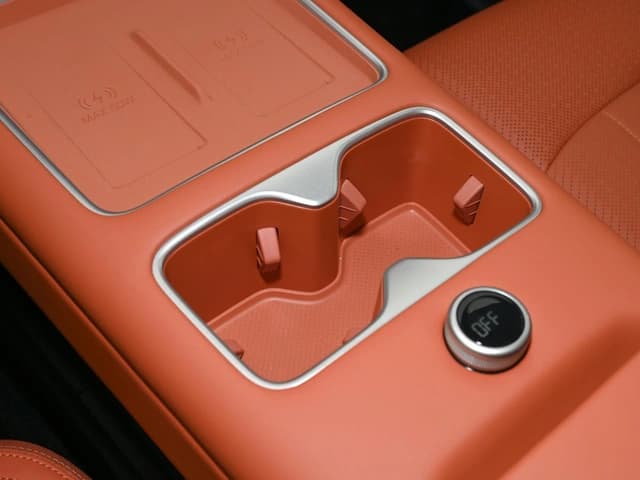
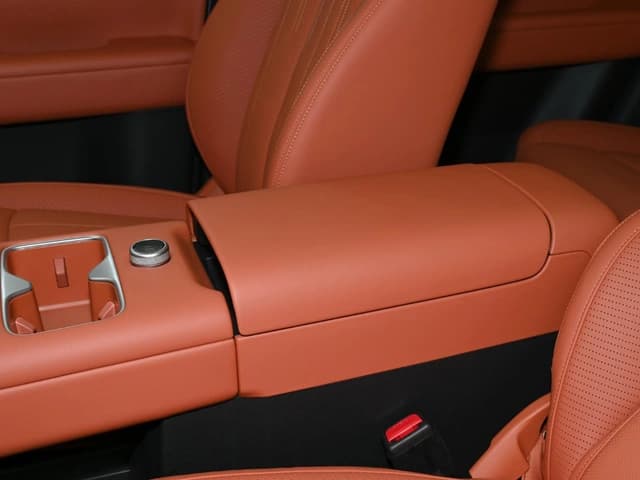
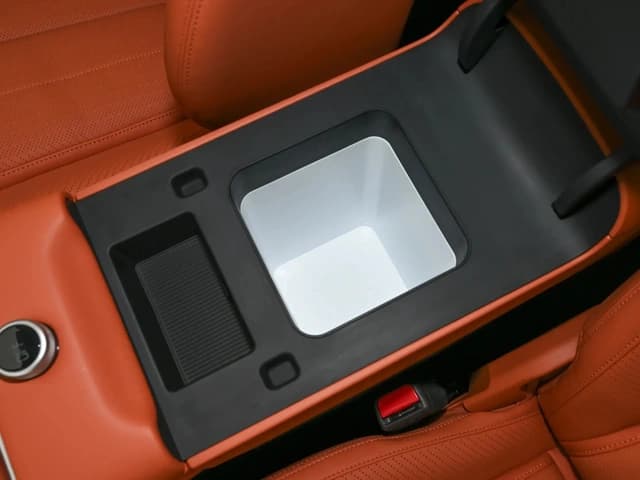
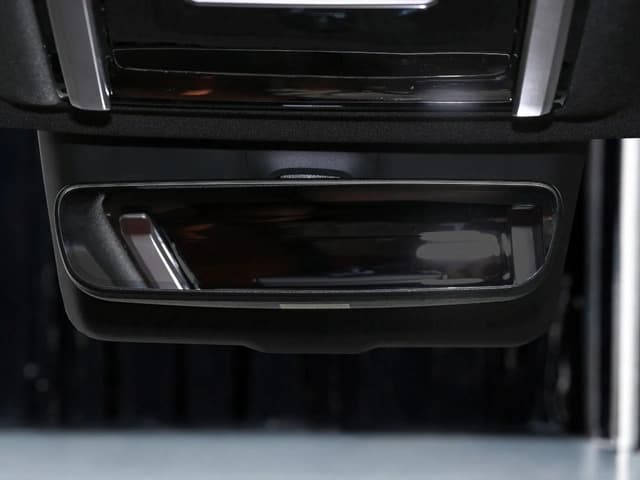
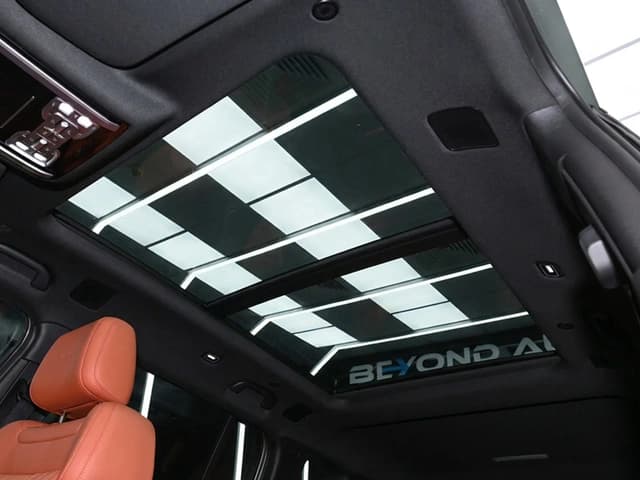
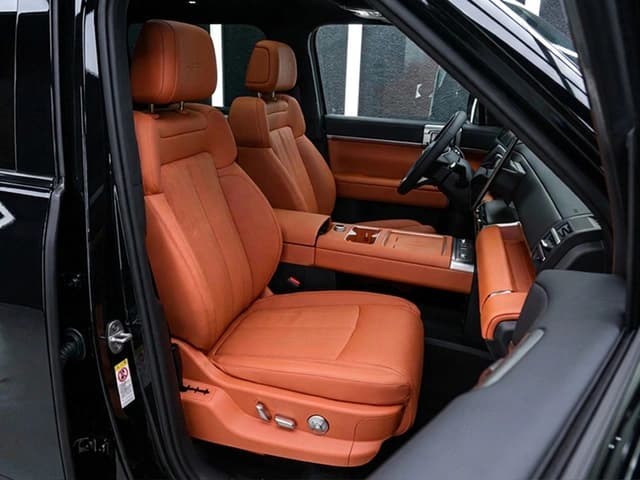
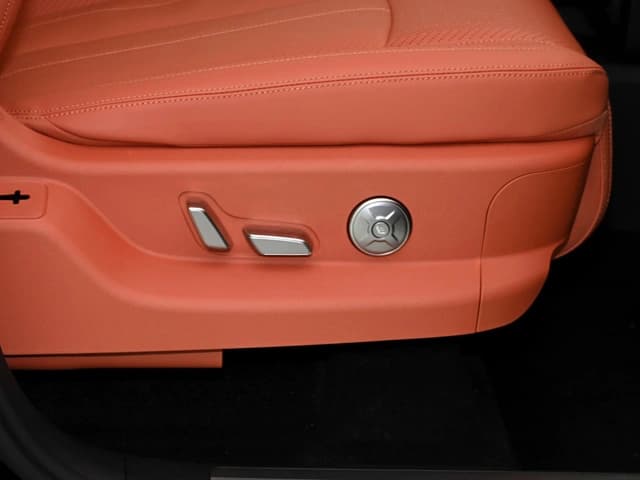
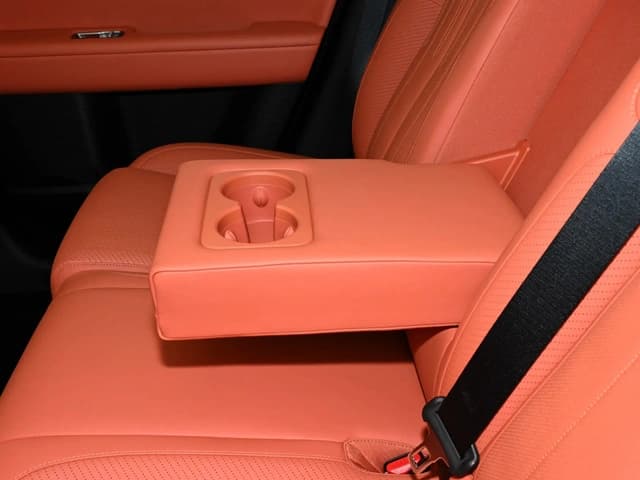
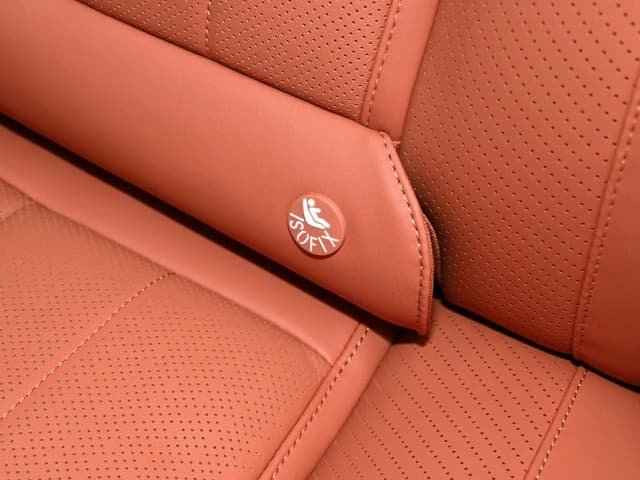
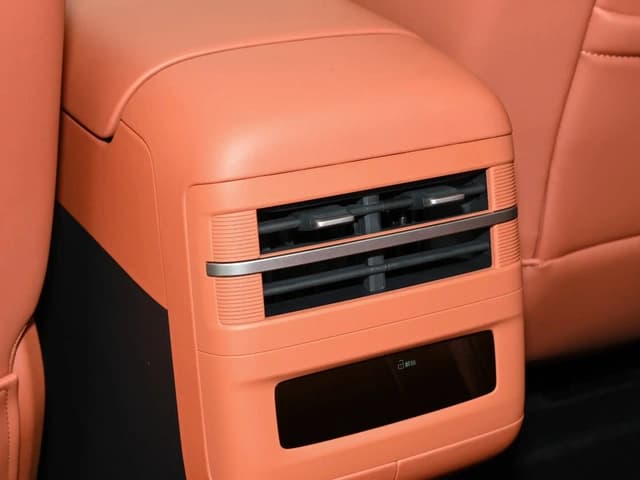
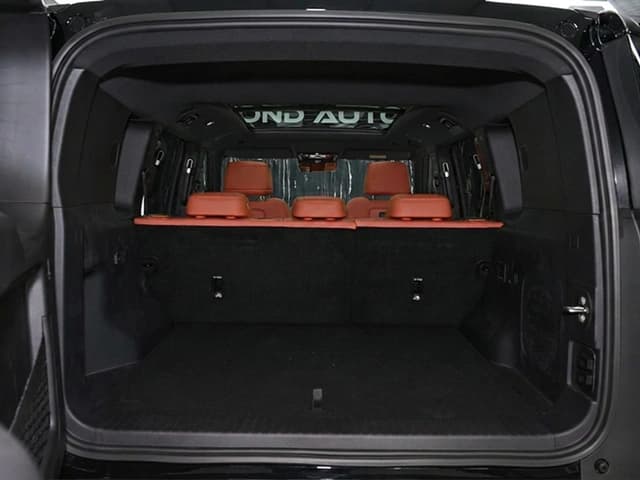
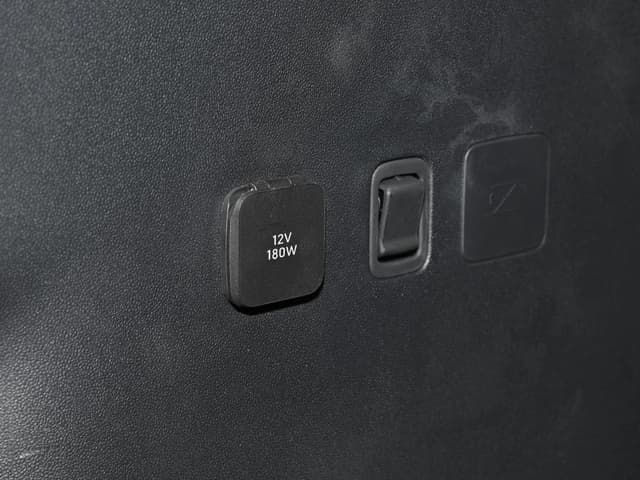
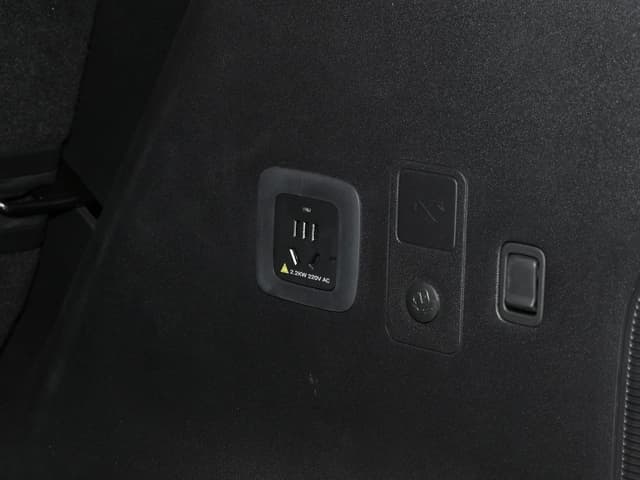
2026 BYD Ti7 Ultra 1.5L Turbo 4 Cyl PHEV 4WD CVT
FOB Jebel Ali

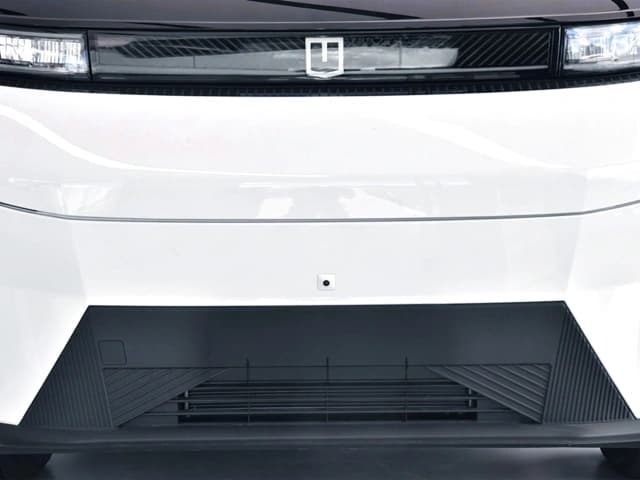
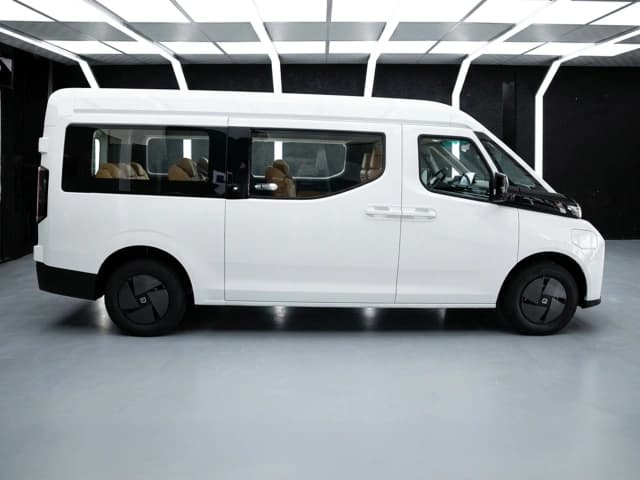
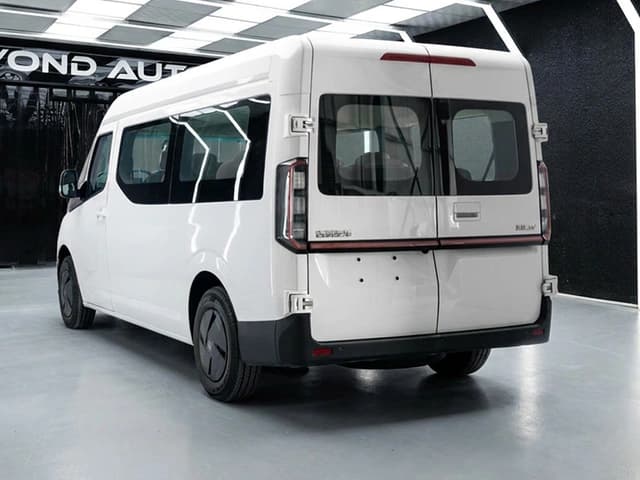
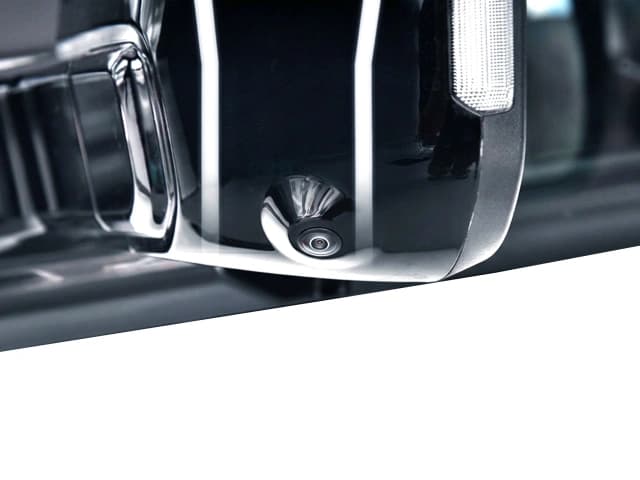
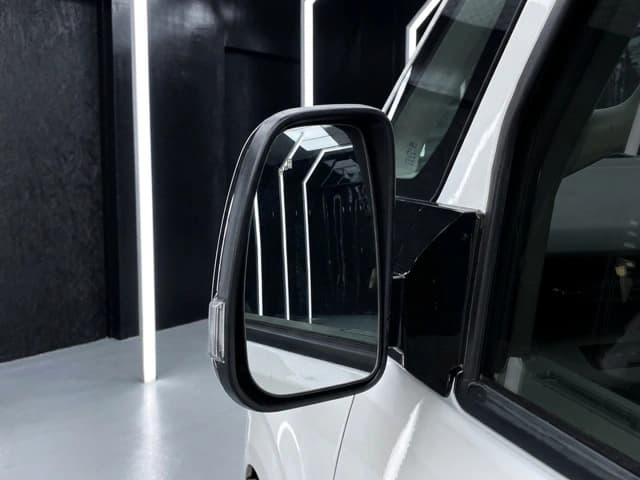
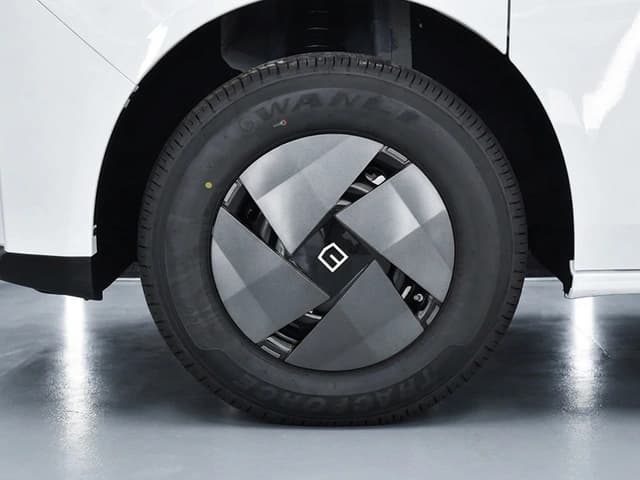
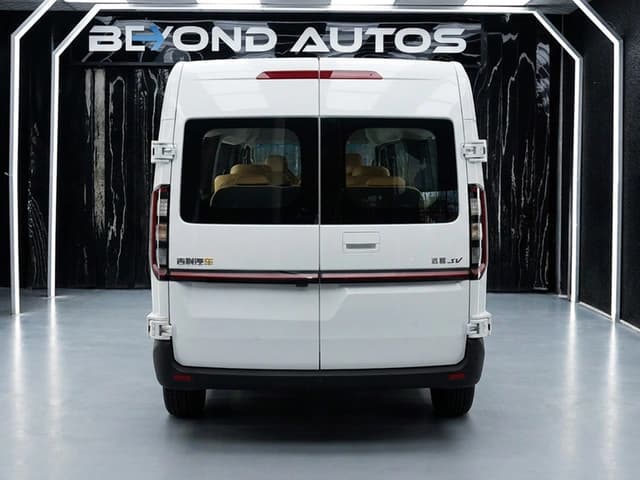
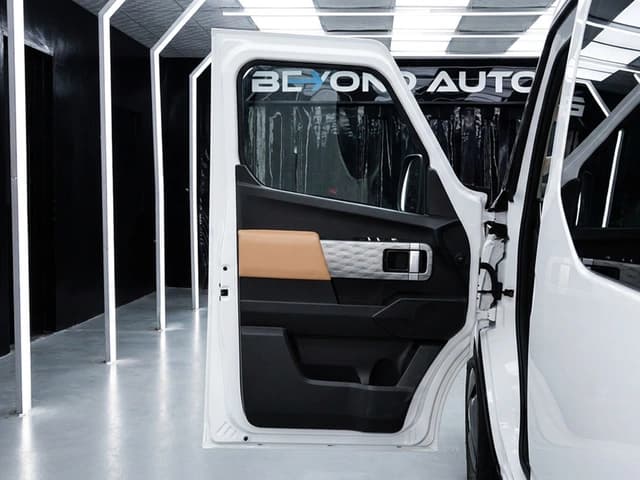
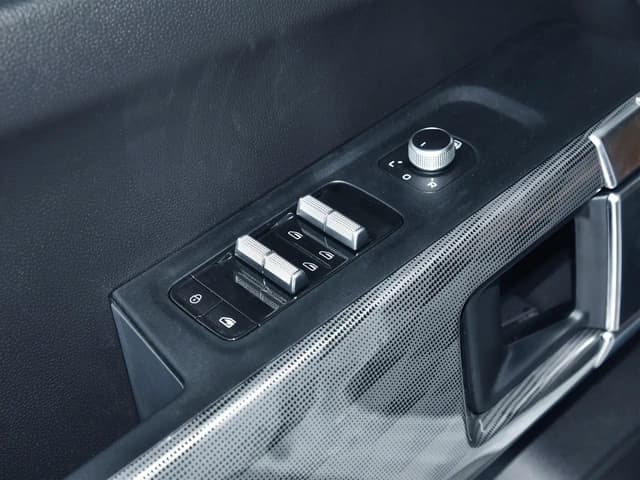
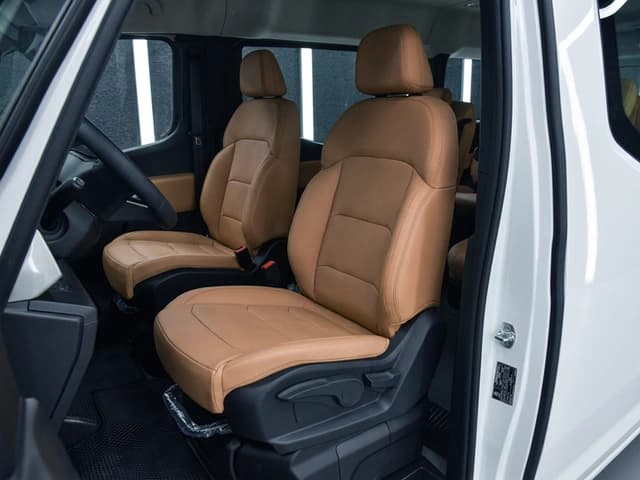
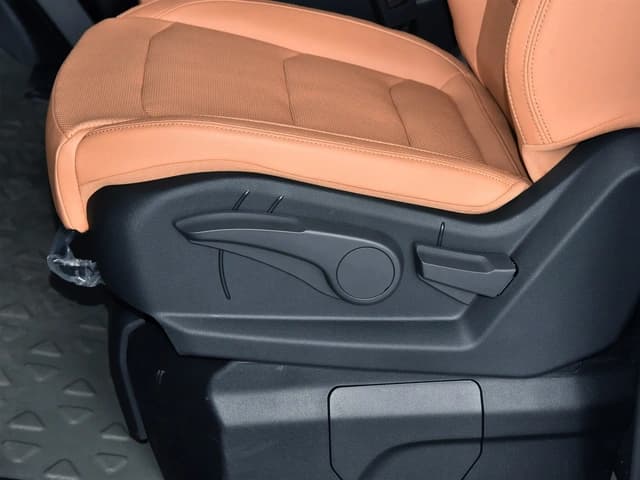
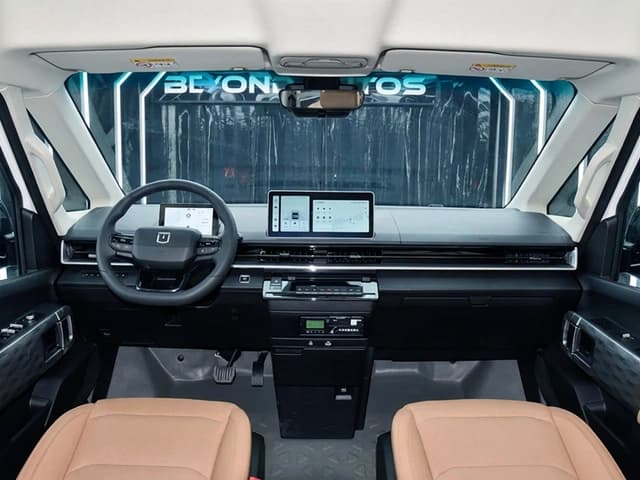
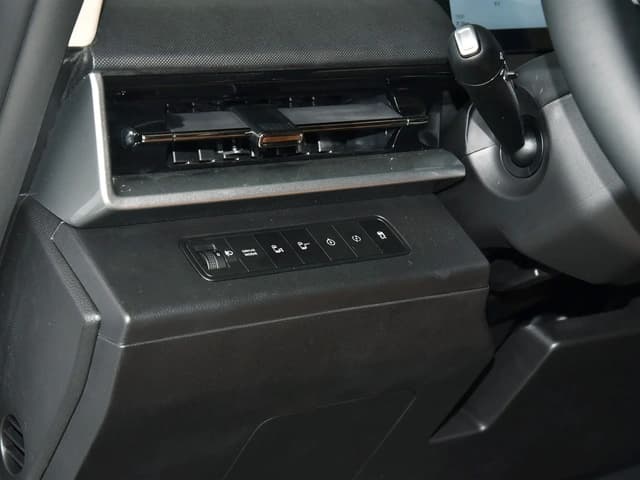
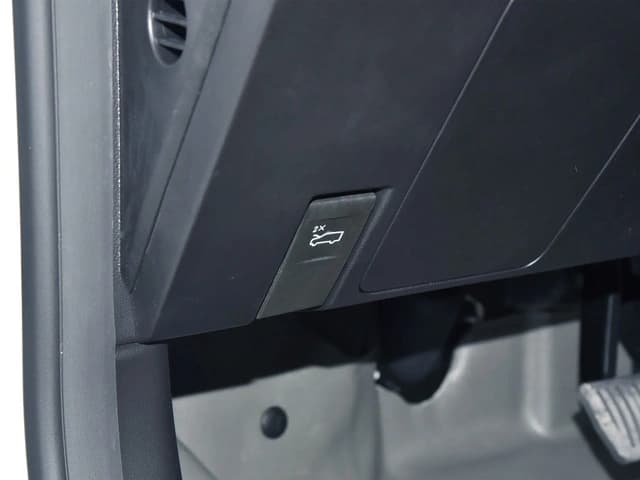

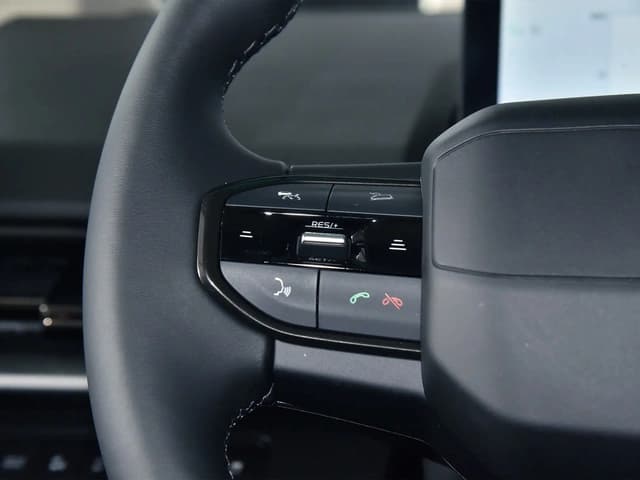
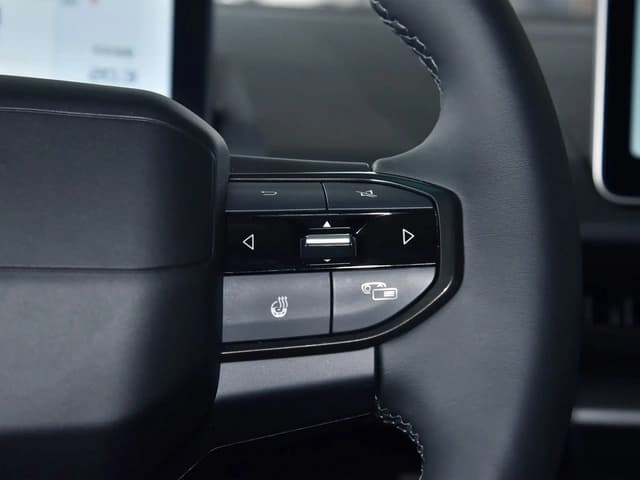
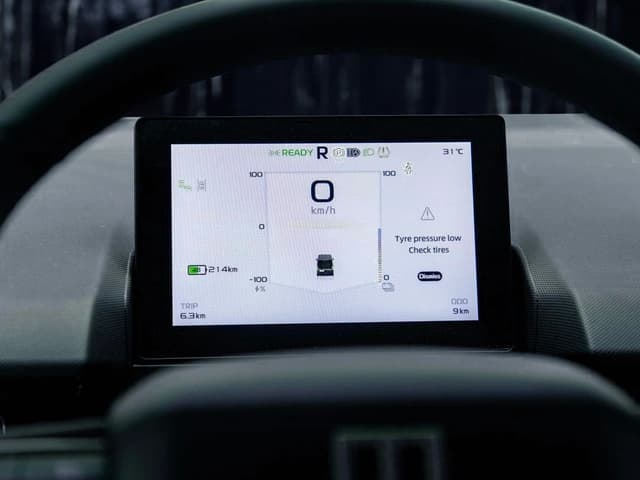
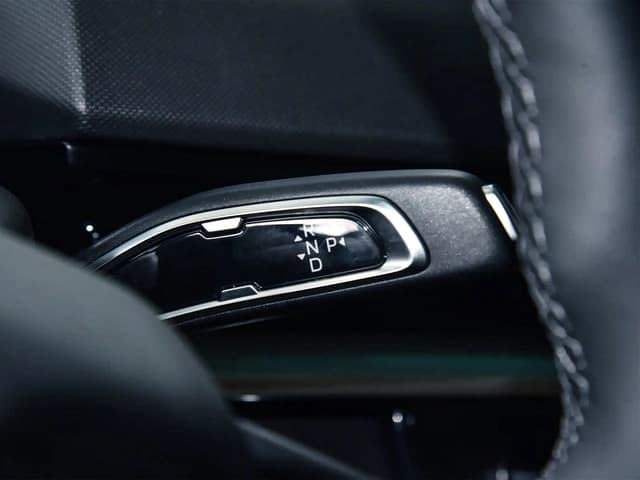
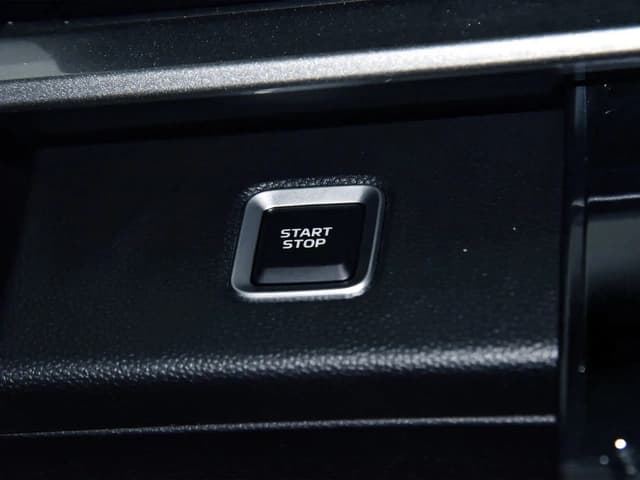
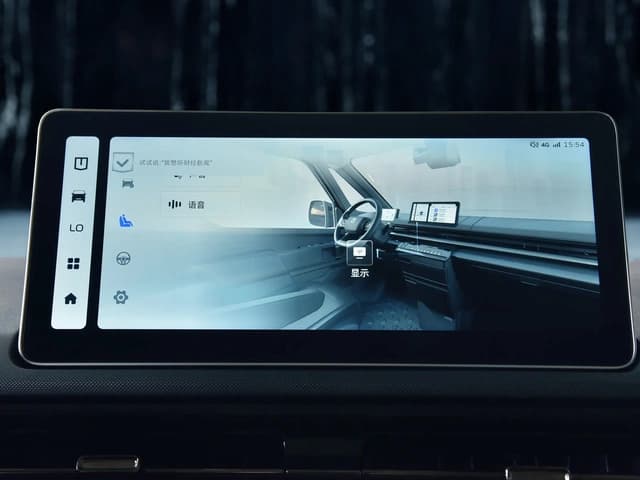
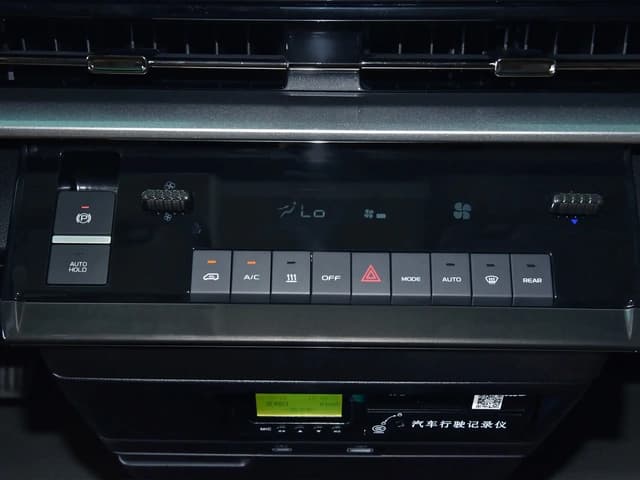
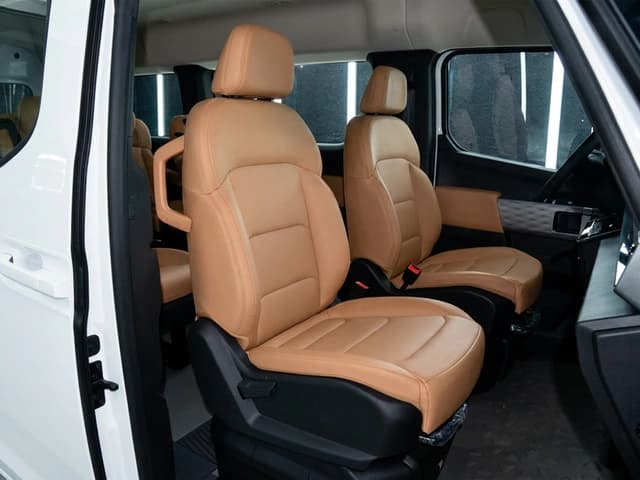
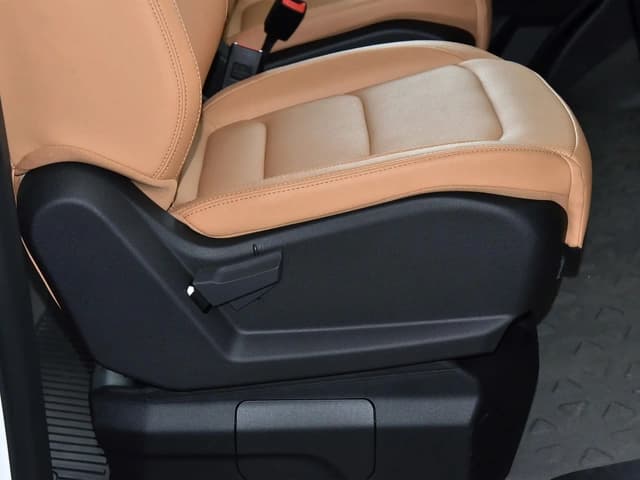
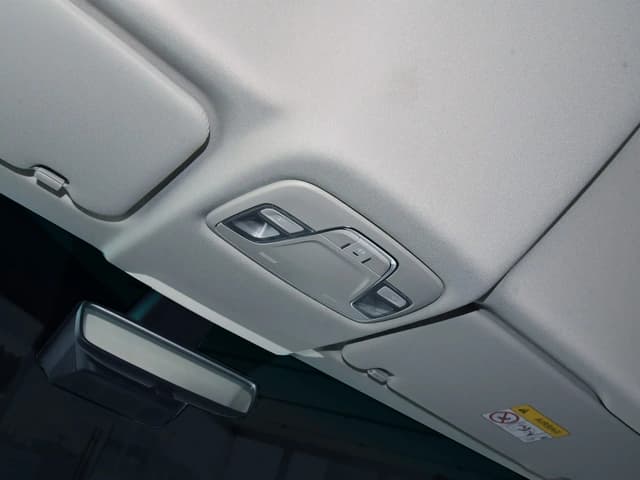
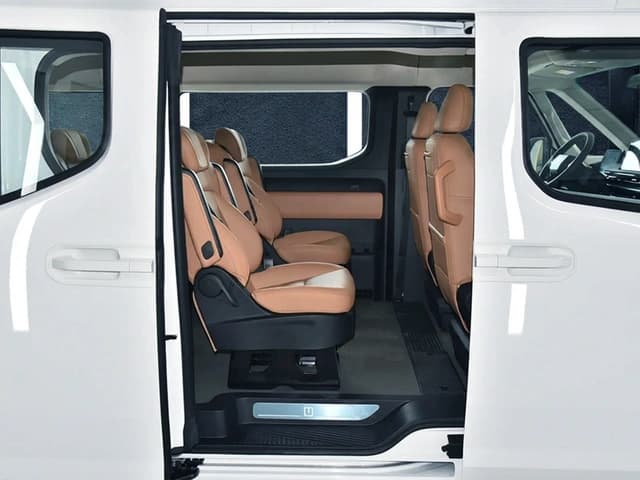
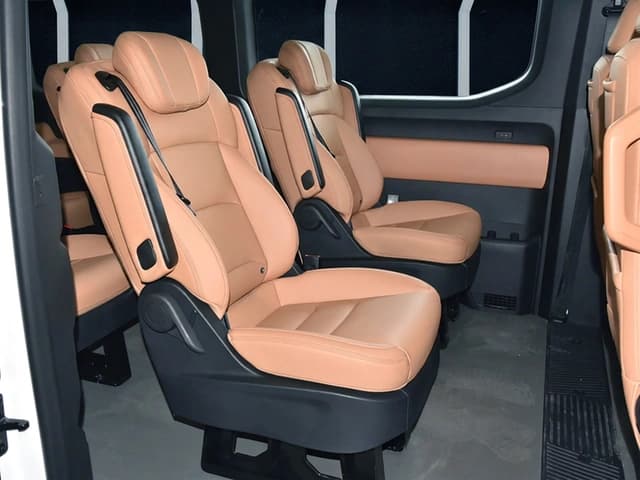
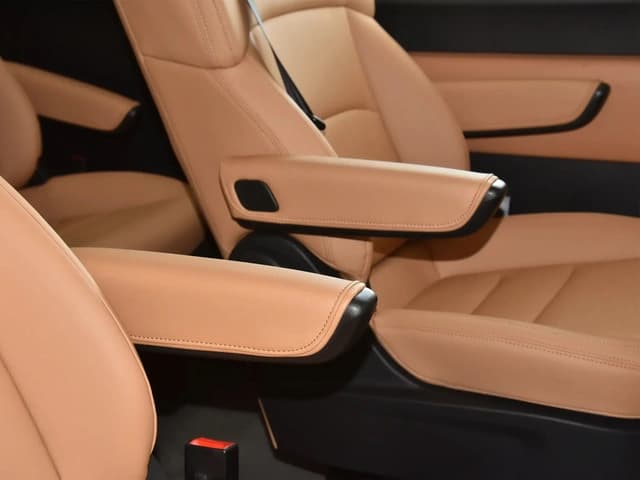

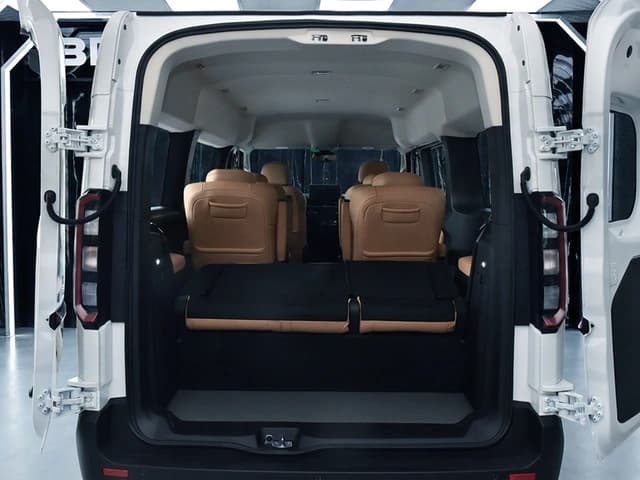
2026 Farizon SV Passenger L2H2 106 EV FWD A/T
FOB Jebel Ali
About the Ethiopia market
Export New Cars For Sale in Dubai From Jebel Ali Free Zone to Ethiopia
Explore a wide range of brand-new export cars for sale in Dubai. Buy and export new vehicles from Jebel Ali Free Zone quickly, securely, and at the best international prices.
Shipping to Ethiopia
Primary port
via Djibouti
Transit time
~7–12d + inland
Import regulations
Ethiopia is not a World Trade Organization member and does not maintain bound tariff rates, meaning the government has discretion over duty levels on imported vehicles. Per Trade.gov, most goods and services face a 15% VAT on import, though electric vehicles are exempted from VAT during both import and local sales. Beyond the VAT regime, customs duties apply to all imports unless the buyer qualifies for duty-free privileges under specific investor incentives, typically available to businesses located in Ethiopian industrial parks or the Dire Dawa Free Trade Zone and planning to export goods or generate foreign currency. Brand-new vehicles sourced from Dubai will generally be subject to both customs duty and VAT unless the importer holds duty-free status. Goods imported from COMESA member states benefit from preferential tariffs between 0 and 10% depending on the product type, though Ethiopia's integration into the broader Tripartite Free Trade Area (COMESA, SADC, and EAC) remains incomplete. Standard commercial importers—individuals, dealerships, and fleets—should expect to pay the applicable duty rate plus VAT. Excise taxes may also apply. The Ethiopian government emphasizes revenue generation through tariffs, so rates are not negotiable or seasonally reduced. Documentation requirements are rigorous, and pre-clearance with the Ethiopian customs authority is essential to confirm duty applicability and any potential exemptions or preferences. Verify with the destination's customs authority before shipping — duty rates vary by engine size, fuel type, and buyer category.
Key points
- Brand-new vehicles typically qualify for VAT and duty but electric vehicles are exempt from VAT during import.
- Ethiopia is not a WTO member, so tariff rates are not bound and may change without notice.
- Duty-free privileges are limited to qualifying investors in industrial parks or the Dire Dawa Free Trade Zone planning to export.
- COMESA member importers may access preferential tariffs of 0–10% depending on the vehicle type.
Documents you'll need
- Bill of Lading — Original
- Commercial Invoice — Original + 2 copies
- Packing List — Original + 1 copy
- Certificate of Origin — Original + 1 copy
- Chassis and VIN Certificate — Original
- Customs Declaration Form — Completed by importer or broker
- Import Permit — Obtained from Ethiopian Revenue and Customs Authority prior to shipment
- Proof of VAT Registration — If applicable for the importer
- Power of Attorney — If using a customs broker
Sources (1)
- Trade.gov · Ethiopia Country Commercial Guide · June 20, 2026