Beyond Autos — Dubai, UAE
.webp&w=384&q=75)
Export Farizon SV Panel to Ethiopia
Ethiopia is not a World Trade Organization member and does not maintain bound tariff rates, meaning the government has discretion over duty levels on imported vehicles. Per Trade.gov, most goods and services face a 15% VAT on import, though electric vehicles are exempted from VAT during both import and local sales. Beyond the VAT regime, customs duties apply to all imports unless the buyer qualifies for duty-free privileges under specific investor incentives, typically available to businesses located in Ethiopian industrial parks or the Dire Dawa Free Trade Zone and planning to export goods or generate foreign currency. Brand-new vehicles sourced from Dubai will generally be subject to both customs duty and VAT unless the importer holds duty-free status. Goods imported from COMESA member states benefit from preferential tariffs between 0 and 10% depending on the product type, though Ethiopia's integration into the broader Tripartite Free Trade Area (COMESA, SADC, and EAC) remains incomplete. Standard commercial importers—individuals, dealerships, and fleets—should expect to pay the applicable duty rate plus VAT. Excise taxes may also apply. The Ethiopian government emphasizes revenue generation through tariffs, so rates are not negotiable or seasonally reduced. Documentation requirements are rigorous, and pre-clearance with the Ethiopian customs authority is essential to confirm duty applicability and any potential exemptions or preferences. Verify with the destination's customs authority before shipping — duty rates vary by engine size, fuel type, and buyer category.
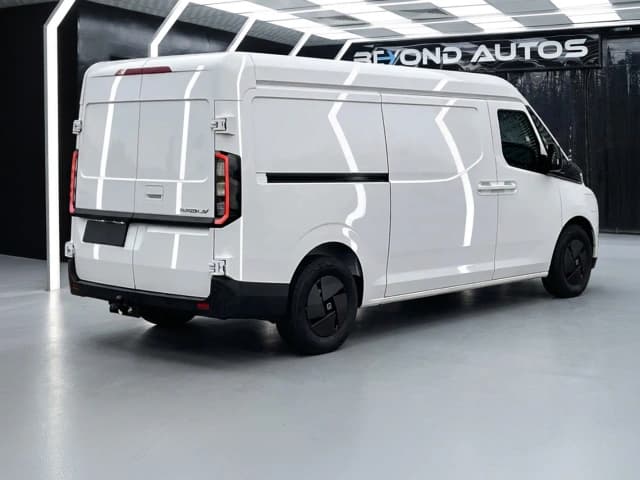
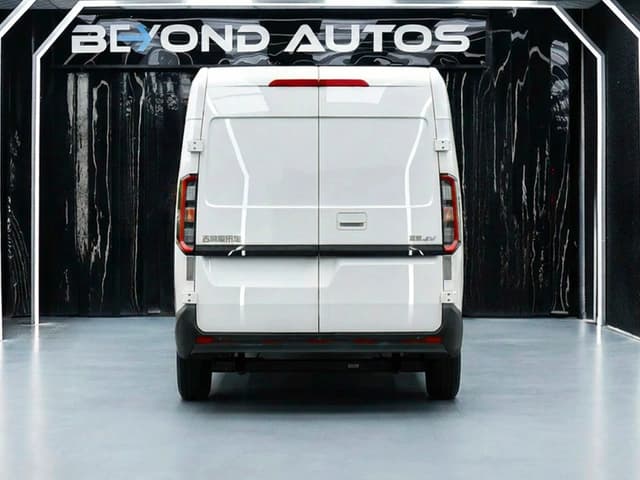
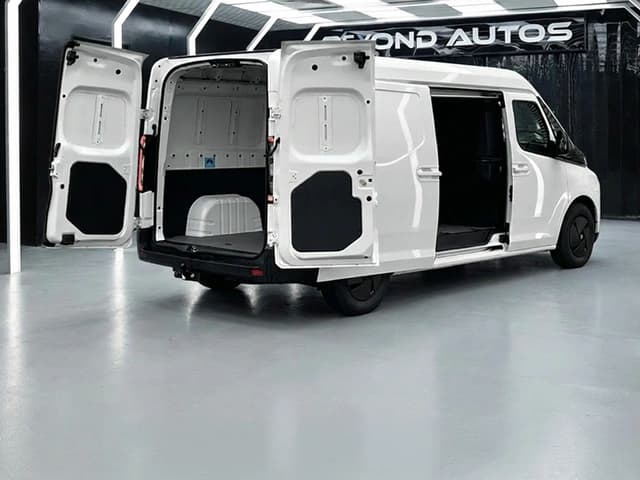
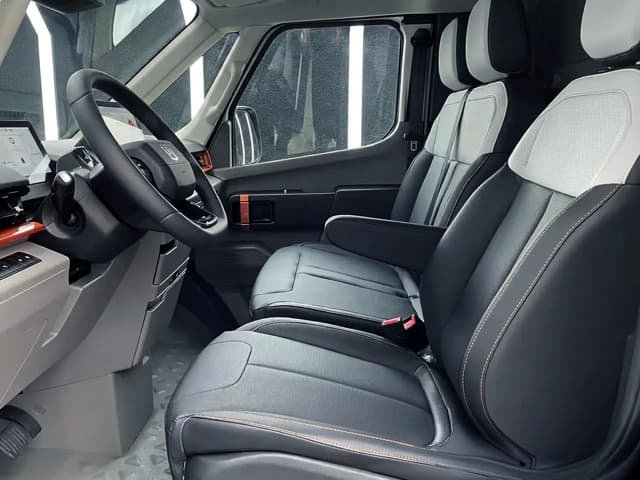
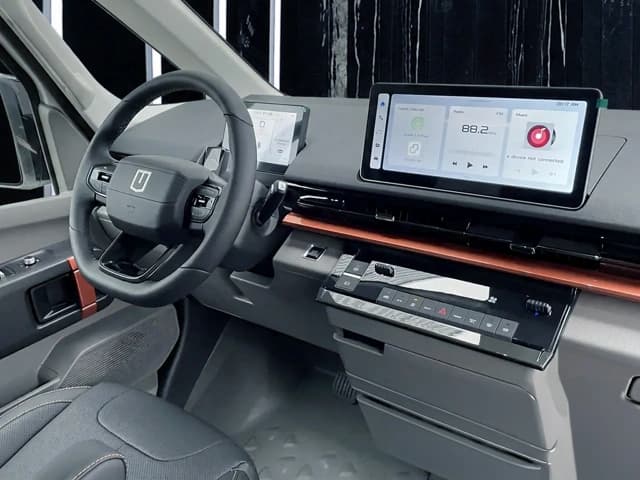
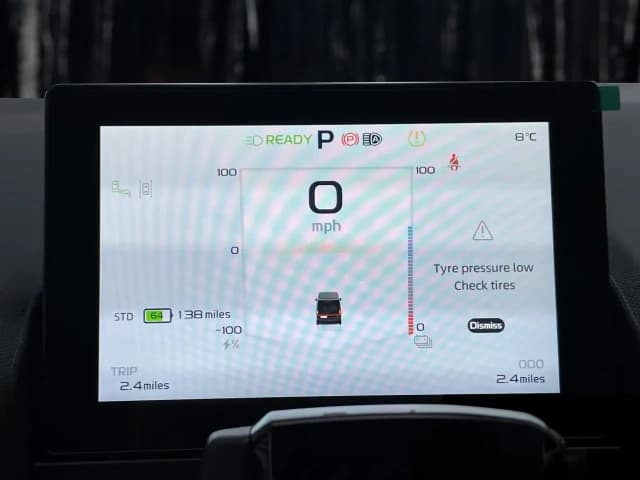
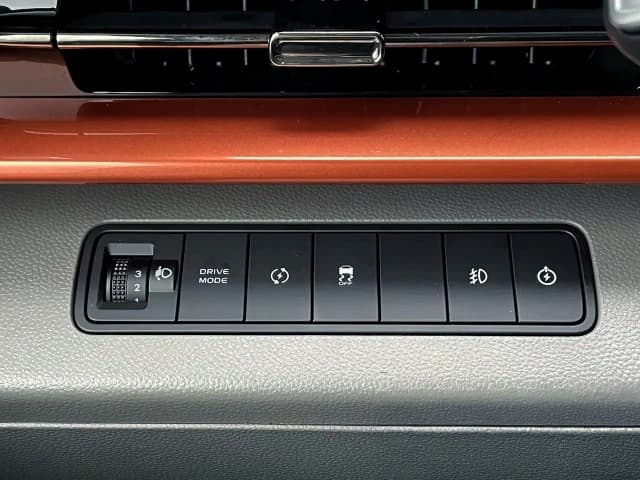
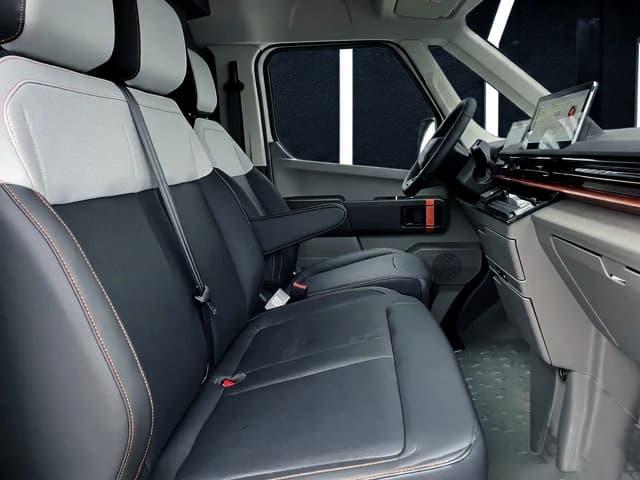
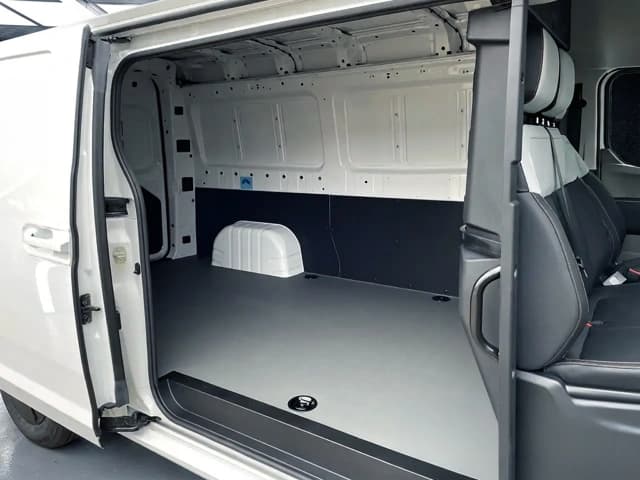
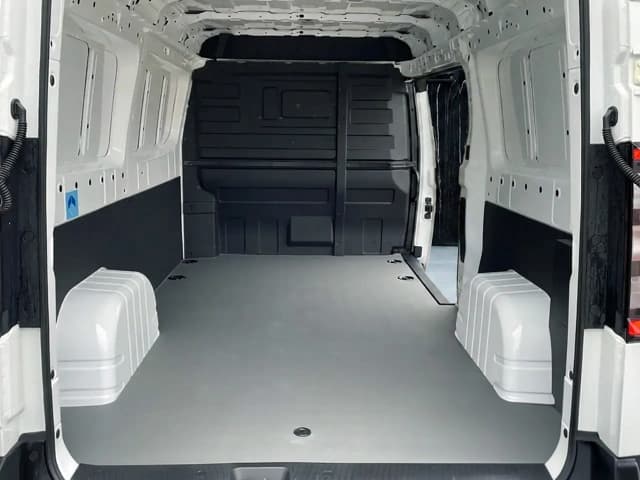
The Farizon SV Panel is a zero-emission commercial panel van designed for last-mile logistics and urban delivery. Importing one into Ethiopia involves navigating federal customs duty, VAT, and sector-specific levies that apply to imported vehicles.
Ethiopia imposes import duty on vehicles using a CIF (cost, insurance, freight) valuation base. The headline duty rate for commercial vehicles varies by engine displacement and fuel type, but electric vehicles often qualify for preferential treatment under industrial development incentive frameworks. Your exact duty will depend on the SV Panel's classified weight, whether it enters as a commercial or personal-use asset, and your buyer category (business entity vs. individual importer).
Beyond duty, expect VAT calculated on the landed cost (CIF plus duty), plus any sector-specific surcharges if the vehicle qualifies for industrial or transport-related use. Excise tax may also apply depending on the final classification. The Ethiopian customs authority (Ethiopian Revenues and Customs Authority, ERCA) determines the exact rate once your cargo is formally entered at port.
Prepare these documents before your SV Panel arrives at Djibouti or another Horn of Africa gateway:
Bill of lading (original, 3 copies) Commercial invoice showing FOB value and unit price Packing list detailing dimensions, weight, and container numbers Original vehicle export certificate from the UAE Chassis and engine certificate with VIN Proof of ownership or purchase agreement Importer registration with ERCA (where applicable) Any letters of credit or payment proof required by your freight forwarder
Additional documentation may be requested if the vehicle is classified for commercial or fleet use.
Once the Farizon SV Panel discharges at a Horn of Africa port (typically Djibouti or Berbera), expect 5–10 working days for customs examination, duty assessment, and release to the importer. Addis Ababa's inland clearance may add 2–3 additional days if the vehicle is transported by road from the port. Delays occur if documents are incomplete or if the customs authority requires a physical inspection or expert valuation. Hiring a local customs broker familiar with commercial vehicle imports accelerates the process considerably.