Beyond Autos — Dubai, UAE
.webp&w=384&q=75)
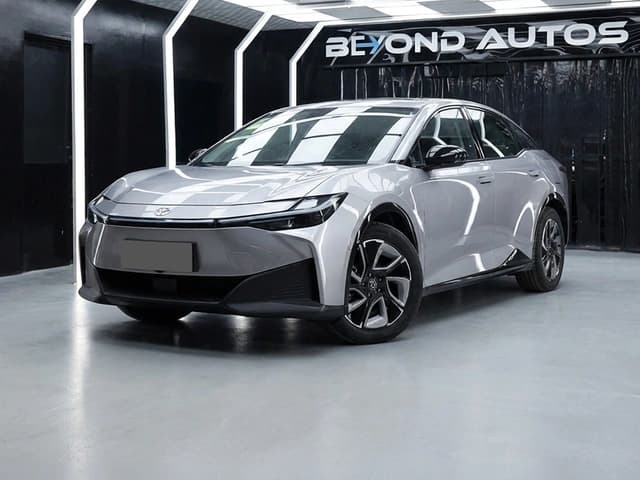
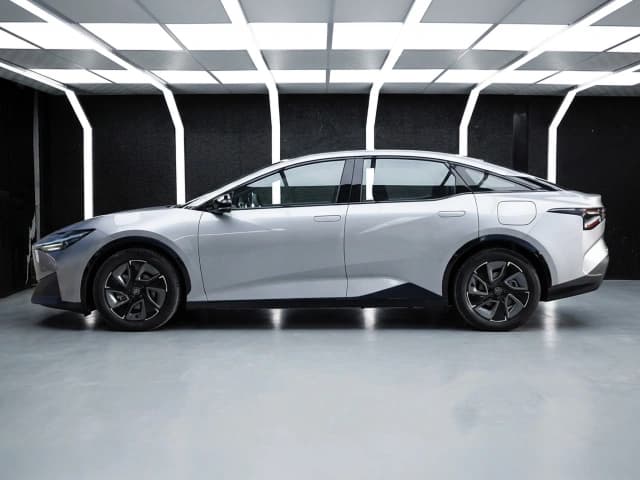
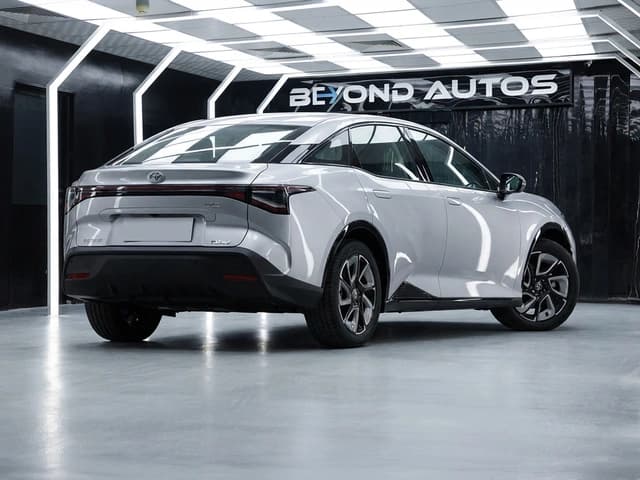
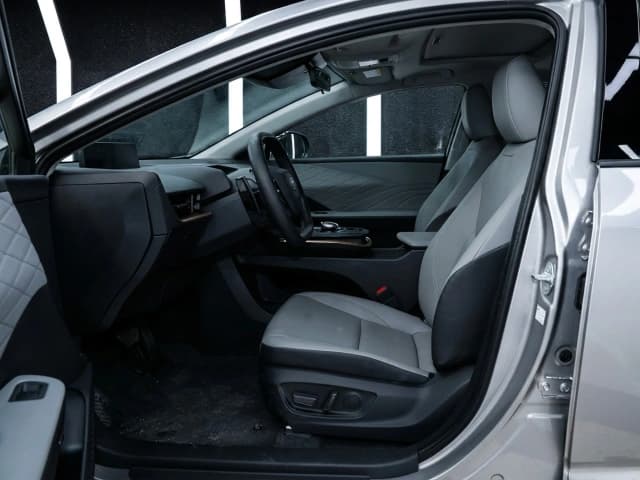
Export Toyota bZ3 to Ghana
Ghana imports vehicles under the Harmonized System classification and applies a complex duty structure. Trade.gov notes that Ghana follows the Economic Community of West African States (ECOWAS) common external tariff (CET), which imposes five tariff bands. Passenger vehicles typically fall into the consumer goods or protected goods categories, attracting duty rates of 20% or 35% depending on the specific classification. The import duty is assessed on the Cost Insurance Freight (CIF) value.
On top of the import duty, Ghana applies a 15% Value Added Tax (VAT), calculated on the sum of the CIF value plus the duty. Beyond these standard charges, Ghana collects numerous other duties and charges—including excise, environmental tax, ECOWAS levy, African Union levy, National Health Insurance Levy, sanitation levy, and energy sector levies—which can add approximately 12% to the CIF value. Processing fees, destination inspection fees, and ICUMS charges also apply. The cumulative effect often exceeds 23% when all charges are combined.
The Customs Division of the Ghana Revenue Authority oversees collection and clearance. Brand-new vehicles from Dubai will require standard port documentation: bill of lading, commercial invoice, packing list, certificate of origin, and chassis/VIN certificate. Pre-shipment inspection may be required, and buyers should verify current inspection protocols with Ghanaian customs. Left-hand-drive vehicles are standard for Ghana's market.
Due to the proliferation of levies and the variation in tariff classification by engine size and fuel type, the final cost to the importer can vary significantly. Verify with the destination's customs authority before shipping—duty rates vary by engine size, fuel type, and buyer category.
Ghana applies multi-component tariffs on imported vehicles. Your Toyota bZ3, as a battery electric sedan, is subject to customs duty, Value Added Tax (VAT), and potential surcharges based on engine classification and vehicle category. The exact duty rate depends on how Ghanaian customs classifies electric vehicles—some markets apply reduced rates to zero-emission cars, while others treat them under standard automotive tariffs. The duty is typically calculated on the Cost, Insurance, and Freight (CIF) value at the port of discharge.
Because the bZ3 is a relatively new electric model in West African markets, the specific tariff treatment may vary depending on whether it qualifies for any green-vehicle exemptions or reduced rates under Ghana's trade policy. We recommend confirming the exact HS code classification and applicable duty percentage with your customs broker or Ghana's Revenue Authority before shipment. Excise taxes or import levies may also apply depending on current Ghanaian trade regulations.
Your clearance package must include a bill of lading, commercial invoice showing the vehicle's CIF value, detailed packing list, original export certificate from the manufacturer, chassis certificate (VIN documentation), and a completed Ghana customs import declaration form. If you are importing as a private buyer or business, you may need to provide proof of ownership intent and a valid import license. Some freight forwarders also require a pre-clearance inspection report and photographs of the vehicle condition at origin.
Once the vessel discharges at Tema Port or another Ghanaian discharge point, typical clearance takes 5 to 10 working days, depending on document completeness and customs inspection load. If documents are in order and no physical examination is flagged, release can occur within 5 days. However, additional inspections, duty disputes, or missing paperwork can extend the window to 2 to 3 weeks. Plan for port storage fees if clearance extends beyond 7 days. Working with a licensed Ghanaian customs broker familiar with electric vehicle imports will accelerate the process.