Beyond Autos — Dubai, UAE
.webp&w=384&q=75)
Export Toyota bZ3 to Ghana
Buyer perspective: Toyota bZ3 in Ghana.
The prose below is AI-drafted from live export feedback and editorially reviewed before publishing. All reliability and ownership notes are specific to Ghana conditions.
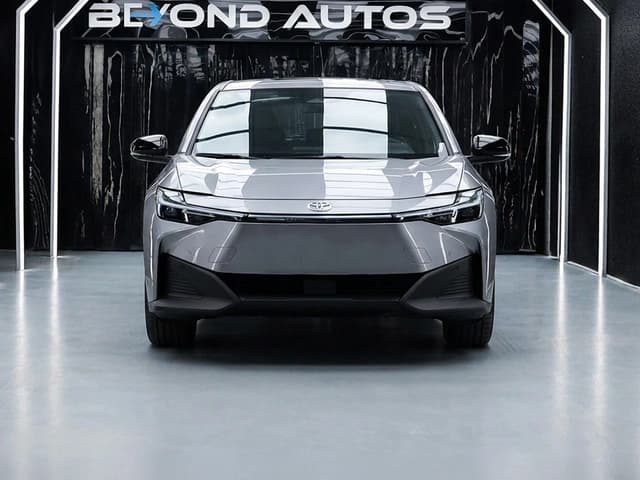
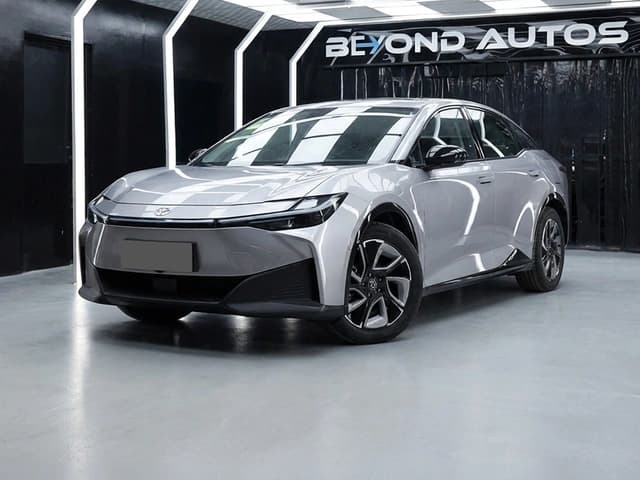
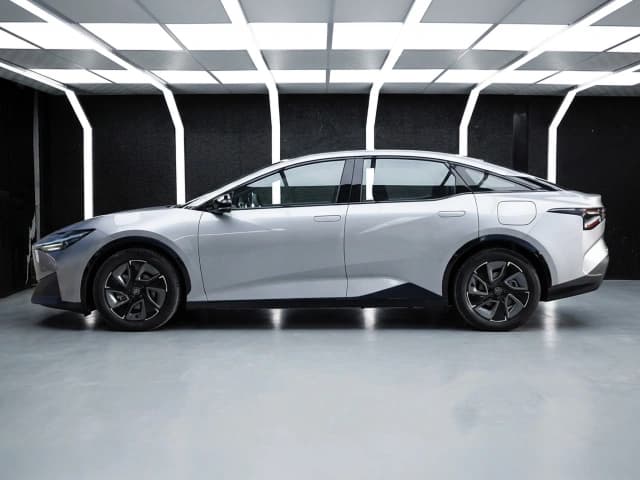
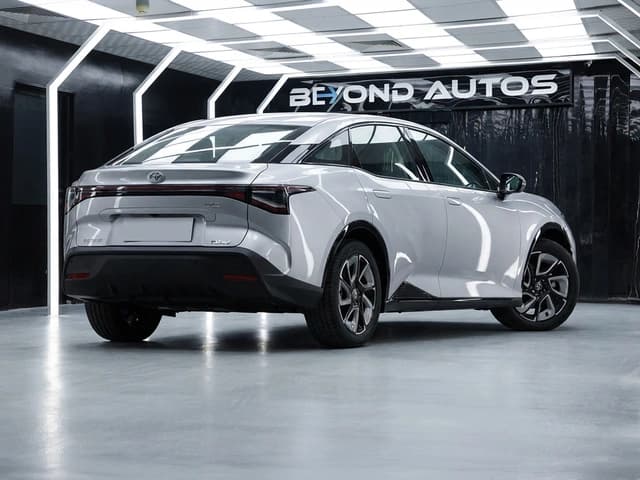
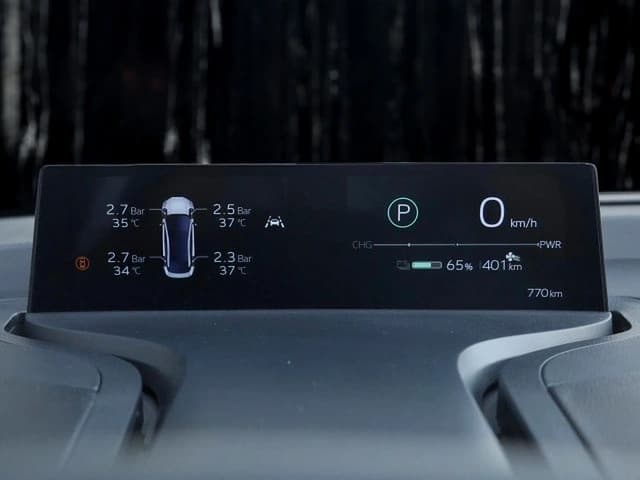
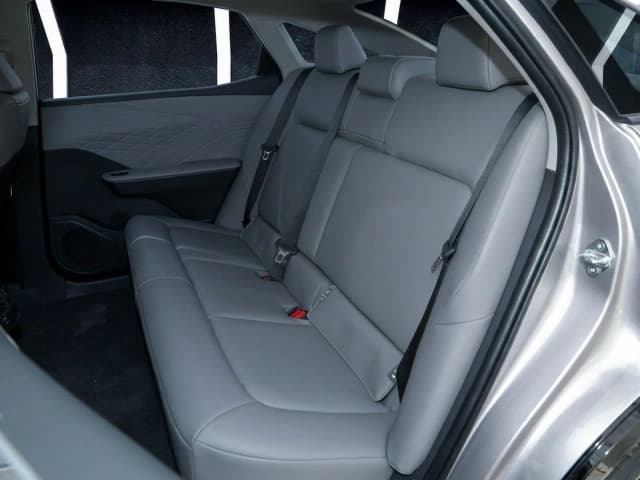
The bZ3 delivers straightforward electric driving. Its 50–72 kWh battery provides 301–401 km of real-world range depending on trim and conditions, enough for Accra commutes and inter-city runs to Kumasi or Cape Coast on a single charge. Running costs are low: electricity is cheaper than fuel, and there are no oil changes, spark plugs, or transmission fluid to replace. The sedan layout is practical for families and professionals—better rear legroom than a hatchback, proper boot space for groceries or luggage. Maintenance intervals are extended because electric motors have far fewer moving parts. In hot climates, air conditioning draws battery range, but the bZ3's cooling system is engineered to handle it.
The driving experience is smooth and quiet. Instant torque makes city driving relaxed, and regenerative braking means you use the friction brakes less often, extending their life. For buyers already thinking about electrification, it's a mature product—jointly developed by Toyota, BYD, and FAW—not an experiment.
Charging infrastructure in Ghana remains sparse. You'll need a home wallbox or access to a reliable outlet—public charging networks are limited outside Accra. If you live in a compound or apartment without dedicated parking, charging becomes complicated. Battery degradation in sustained heat is real; the bZ3 performs better in temperate climates, though passive cooling helps. Spare parts are not yet widely stocked in Ghana; services depend on Toyota dealers, and wait times for components can stretch weeks. If your vehicle needs a battery module replaced under warranty, logistics are slow.
Resale value is uncertain because the used EV market in Ghana is immature. The vehicle's residual value over five years is harder to predict than a conventional sedan.
The bZ3 suits urban and peri-urban buyers in Accra and other major cities where you can charge at home or work. It makes sense if your daily commute is under 200 km and you have reliable electricity. For rural areas or long unpredictable journeys across Ghana's trunk roads, a hybrid or petrol sedan remains more practical. Check Toyota's service network in your region before purchasing—the car is only as good as the support behind it.