Beyond Autos — Dubai, UAE
.webp&w=384&q=75)
Export Toyota Yaris to Ghana
Buyer perspective: Toyota Yaris in Ghana.
The prose below is AI-drafted from live export feedback and editorially reviewed before publishing. All reliability and ownership notes are specific to Ghana conditions.
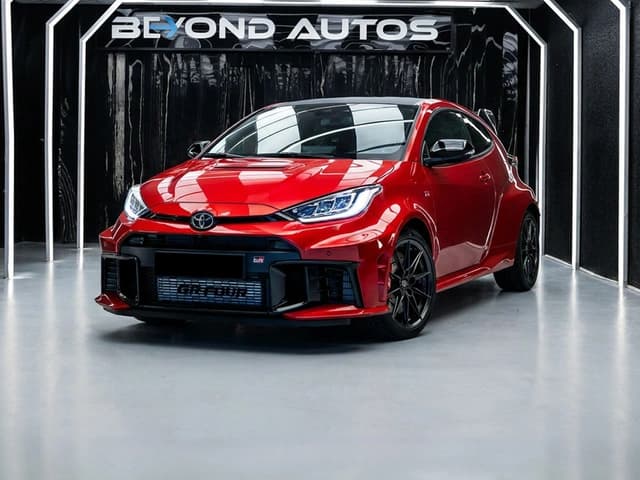
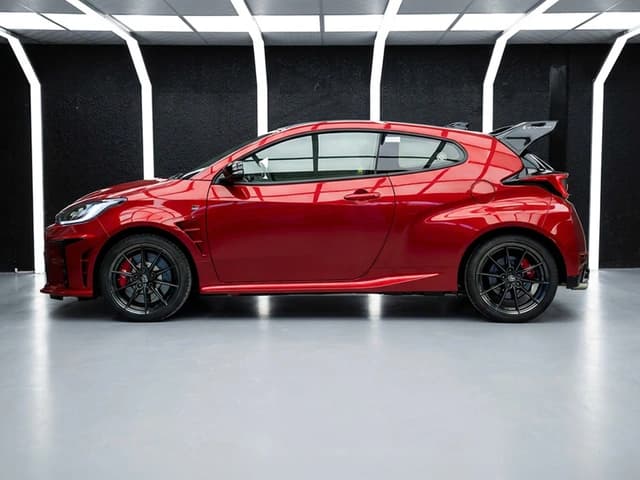
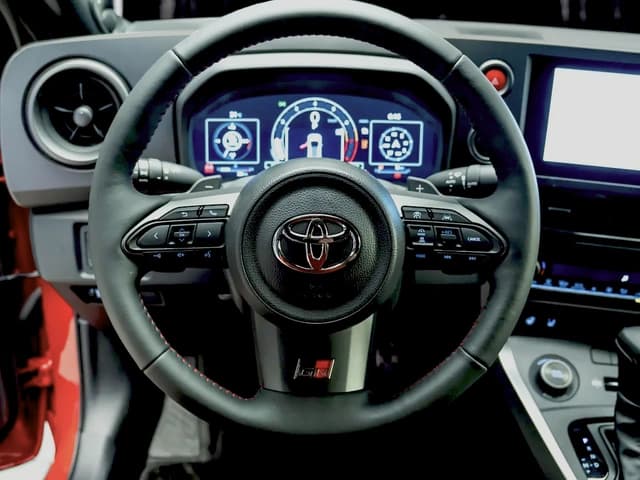
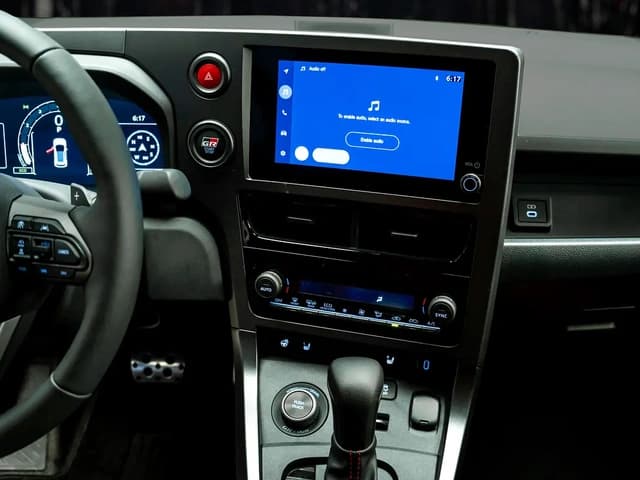
The Yaris is a supermini hatchback built since 1999 with a track record of reliability and simplicity. In Ghana's congested urban centers—especially Accra—its compact footprint and tight turning radius are genuine assets. Petrol engines deliver decent fuel economy for daily commuting, and the hatchback body gives you practical cargo flexibility without the bulk of a sedan or SUV.
Toyota's global parts commonality means some components are easier to source than rarer imports. The model's age and production volume work in your favor: mechanics across West Africa understand the fundamentals. Resale value holds relatively well in secondary African markets because demand for affordable Japanese hatchbacks is steady.
The Yaris is optimized for smooth, well-maintained roads. Ghana's mix of paved highways and rough rural routes means you'll feel every pothole and washout; the suspension is tuned for city driving, not rough terrain. Cooling can lag in sustained heat, and air-conditioning systems require reliable servicing—not always guaranteed outside Accra.
Import duties on vehicles to Ghana are substantial, and shipping costs from Jafza will add meaningfully to your total outlay. Petrol prices fluctuate, and fuel quality varies by region. Spare parts availability outside major hubs is inconsistent; you may find common filters and belts, but electrical components or interior trim can mean waiting or paying premiums. Resale, while stable, won't recover your full import cost if you hold the car only a few years.
The Yaris suits Accra-based buyers with predictable, urban commutes and access to a Toyota-familiar service network. If your driving stays within the coastal zone and major highways, the car's efficiency and maneuverability shine. However, if you venture into the interior regularly or depend on fast, cheap repairs, you'll bump against the reality of Ghana's service infrastructure and duty structure.
Consider your total cost of ownership: import fees, fuel, occasional parts hunts, and depreciation. For a second car or a primary urban runabout, the Yaris works. For a workhorse across varied terrain and climates, you may find yourself frustrated by its limits.