Beyond Autos — Dubai, UAE
.webp&w=384&q=75)
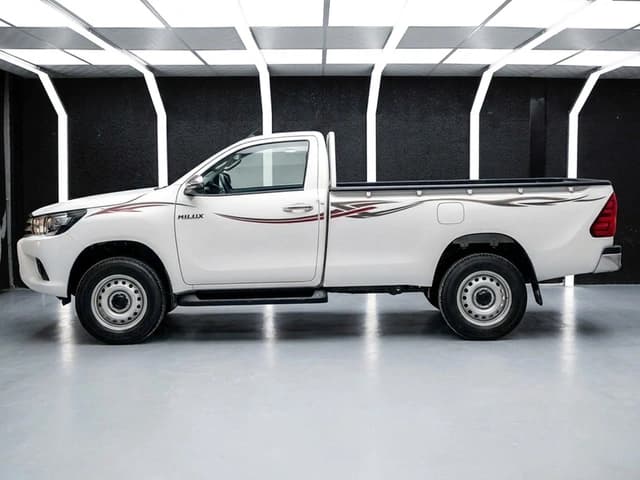
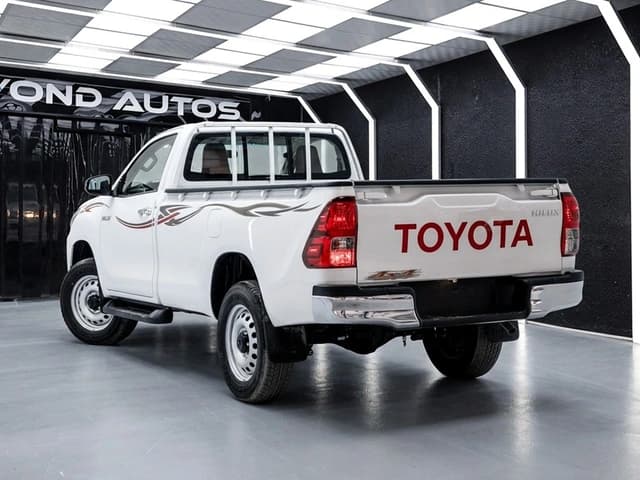
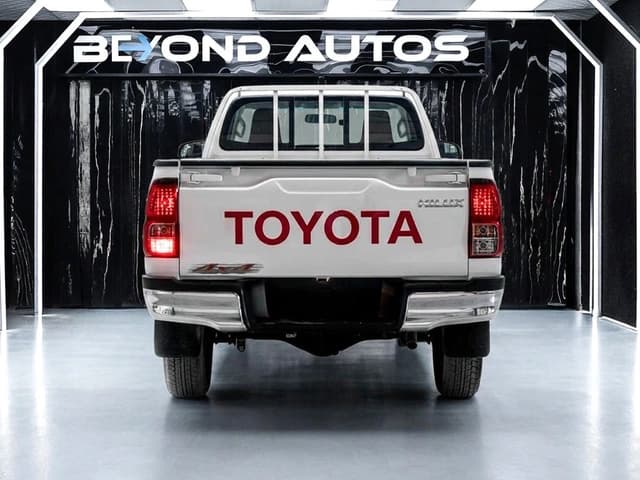
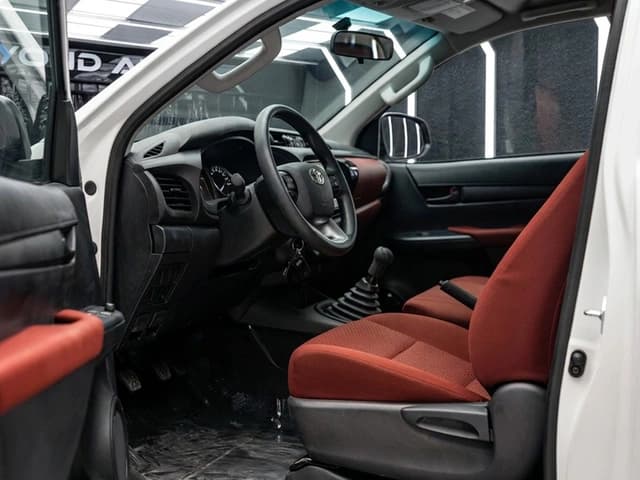
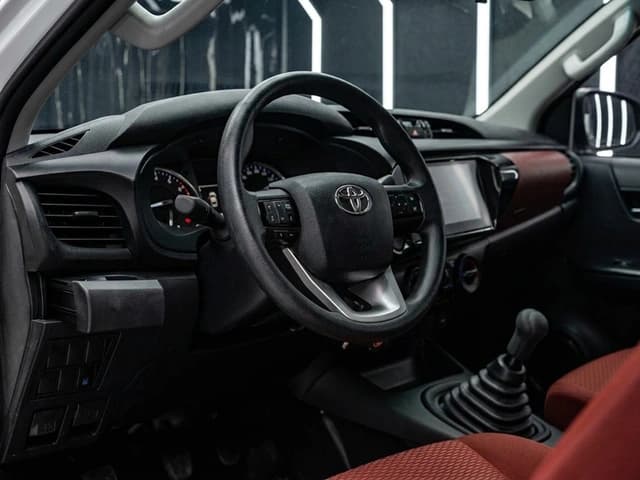
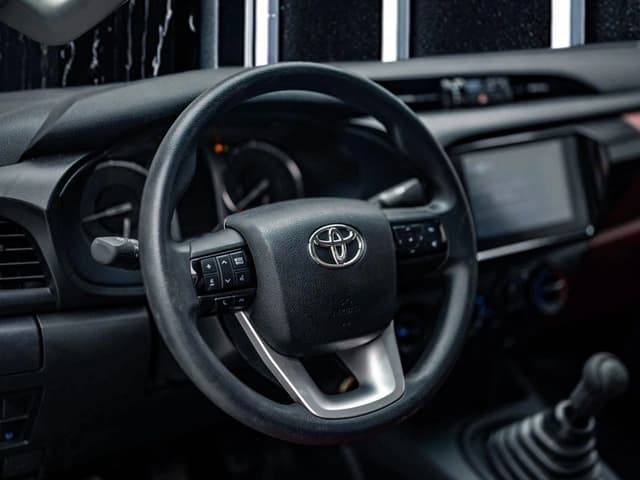
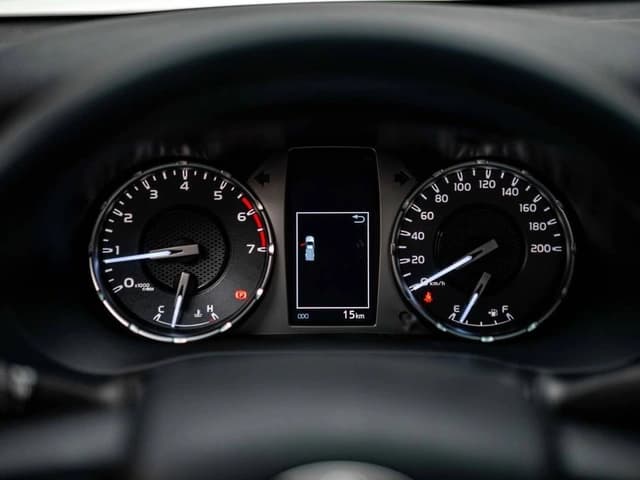
Export Toyota Hilux to Ghana
Ghana imports vehicles under the Harmonized System classification and applies a complex duty structure. Trade.gov notes that Ghana follows the Economic Community of West African States (ECOWAS) common external tariff (CET), which imposes five tariff bands. Passenger vehicles typically fall into the consumer goods or protected goods categories, attracting duty rates of 20% or 35% depending on the specific classification. The import duty is assessed on the Cost Insurance Freight (CIF) value.
On top of the import duty, Ghana applies a 15% Value Added Tax (VAT), calculated on the sum of the CIF value plus the duty. Beyond these standard charges, Ghana collects numerous other duties and charges—including excise, environmental tax, ECOWAS levy, African Union levy, National Health Insurance Levy, sanitation levy, and energy sector levies—which can add approximately 12% to the CIF value. Processing fees, destination inspection fees, and ICUMS charges also apply. The cumulative effect often exceeds 23% when all charges are combined.
The Customs Division of the Ghana Revenue Authority oversees collection and clearance. Brand-new vehicles from Dubai will require standard port documentation: bill of lading, commercial invoice, packing list, certificate of origin, and chassis/VIN certificate. Pre-shipment inspection may be required, and buyers should verify current inspection protocols with Ghanaian customs. Left-hand-drive vehicles are standard for Ghana's market.
Due to the proliferation of levies and the variation in tariff classification by engine size and fuel type, the final cost to the importer can vary significantly. Verify with the destination's customs authority before shipping—duty rates vary by engine size, fuel type, and buyer category.
Importing a Toyota Hilux diesel pickup into Ghana requires understanding the country's customs framework, duty structure, and port procedures. Beyond Autos handles export certification and preparation at Jebel Ali; you'll manage import customs on the Ghana side with support from your clearing agent.
Ghana applies a multi-layer duty calculation on used and new vehicles. The tariff base is the CIF (cost, insurance, freight) value—the landed cost at Tema or Takoradi port. Import duty typically runs 35–50% depending on the vehicle class, engine displacement, and fuel type. A diesel pickup like the Hilux may face additional considerations: diesel vehicles occupy a specific tariff line, and some Ghanaian buyers benefit from exemptions or reduced rates under trade protocols if they qualify as commercial operators or transporters.
VAT at 15% applies on the duty-inclusive value. Excise tax may apply depending on engine size and emission standards. The exact percent varies by your buyer category (private, commercial fleet, industrial use) and current tariff schedules. Your clearing agent in Accra or Tema will calculate the final amount before vessel discharge. Request a pro-forma duty estimate from Ghana's Customs, Excise and Preventive Service (CEPS) or your agent once the bill of lading is issued.
Prepare and hand to your clearing agent: bill of lading (original or authenticated copy), commercial invoice (pro-forma or final), packing list, original export certificate from the UAE, and chassis/VIN certificate. Ghana's CEPS may also request the vehicle's original factory specification sheet and proof of roadworthiness compliance. If you claim any trade exemption, provide supporting licenses or certificates from the relevant Ghanaian ministry.
Once the vessel discharges at Tema (the main container port near Accra), clearance typically takes 3–7 business days if all documents are complete and in order. Delays occur if duty assessment requires revision, inspection findings flag issues, or supporting paperwork is missing. Most Hilux shipments clear within a week; plan for up to 10 days to account for port congestion or administrative review.


FOB Jebel Ali

FOB Jebel Ali


FOB Jebel Ali


FOB Jebel Ali