Beyond Autos — Dubai, UAE
.webp&w=384&q=75)
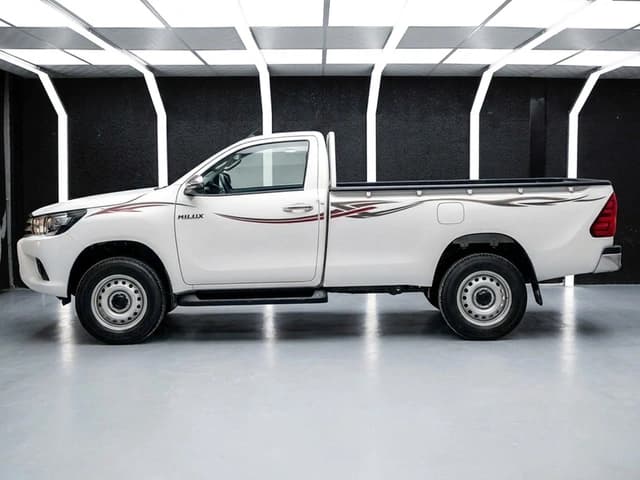
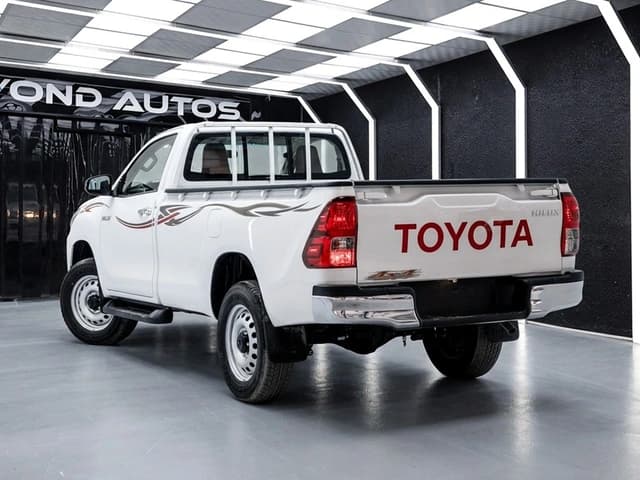
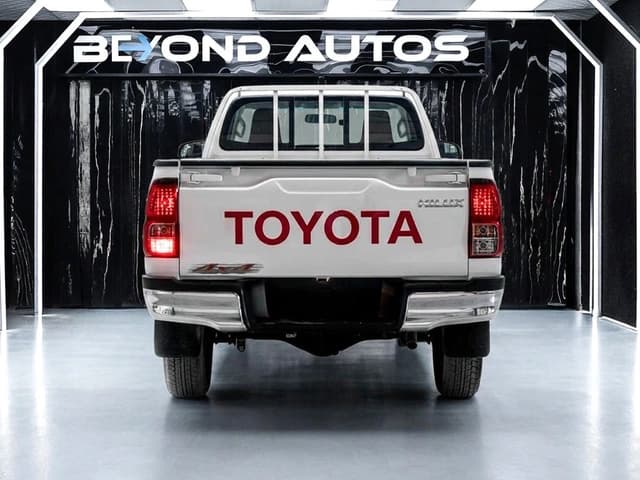
Export Toyota Hilux to Ghana
Buyer perspective: Toyota Hilux in Ghana.
The prose below is AI-drafted from live export feedback and editorially reviewed before publishing. All reliability and ownership notes are specific to Ghana conditions.
The Toyota Hilux has earned its reputation across Africa as a dependable light-duty pickup. The diesel variant suits Ghana's market particularly well—fuel availability, operating costs, and the vehicle's track record all align with local buying patterns.
The Hilux diesel delivers the torque and fuel economy that matter most in Ghana's mixed driving conditions. Coastal savannas and inland routes demand a vehicle that handles heat and dust without constant maintenance headaches. Toyota's supply chain across West Africa means parts are accessible in Accra and major urban centers, a genuine advantage when you need a gearbox seal or brake pads.
Payload capacity and towing strength suit small-business operators and agricultural transport—common use cases in Ghana. The cab-and-chassis flexibility means buyers can configure cargo beds or specialist bodies to match their work. Resale value remains strong; Hilux pickups hold their market presence because they last and because demand stays steady across the region.
Diesel economics favor long-distance and frequent-use owners. If your annual mileage climbs above 15,000–20,000 km, the fuel-cost gap over petrol variants widens enough to matter.
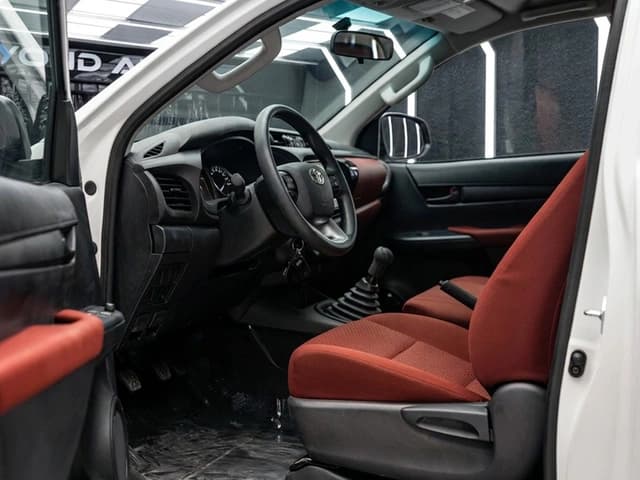
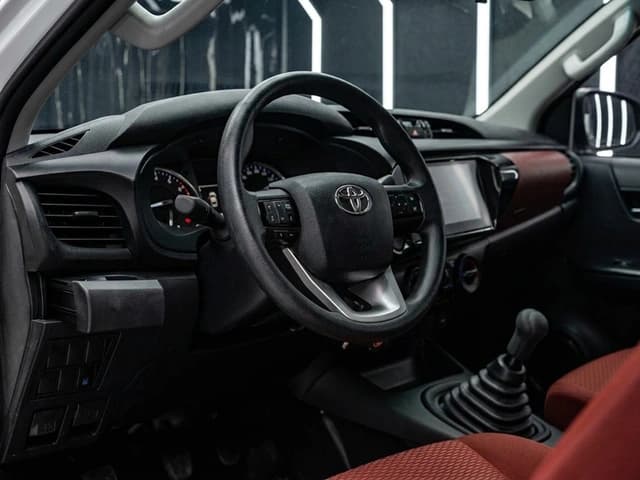
The Hilux is a workhorse, not a passenger car. Ride quality on rough or potholed roads lags a sedan; suspension tuning prioritizes load-carrying over comfort. Cabin noise and vibration are noticeable at highway speeds, especially in older or higher-mileage units.
Raw horsepower is modest by global standards. This truck accelerates steadily, not quickly. For buyers accustomed to modern SUV performance, the driving experience feels agricultural.
Diesel engines require quality fuel and timely servicing. Poor-grade diesel or extended service intervals can shorten engine life—a real consideration given fuel consistency variations in some regions.
Yes, if your priorities are durability, parts availability, and low per-km operating cost. Ghana's road network spans sealed highways and unpaved routes; the Hilux's robust frame and suspension handle both without fuss. Heat and humidity are non-issues—Toyota's cooling systems manage tropical climates reliably.
Diesel remains the practical choice here. Fuel is widely available, and the cost-per-kilometer advantage is tangible over a three- to five-year ownership cycle. Service infrastructure in Accra and Kumasi supports diesel maintenance competently.
Skip the Hilux if you prioritize passenger comfort, want minimal noise, or drive mostly urban stop-and-start routes where diesel's economy advantage shrinks. For commercial use, agricultural work, or regional transport, it remains a sound choice.


FOB Jebel Ali

FOB Jebel Ali


FOB Jebel Ali


FOB Jebel Ali